Utnubu Movement’s STOL tries to decolonise Alex youth
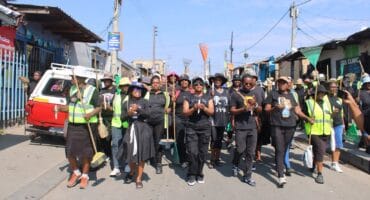
With their productions in Alex schools, Utnubu Movement plans to use theatre as a tool to decolonise the minds young people, showing them what South Africa was like before democracy.
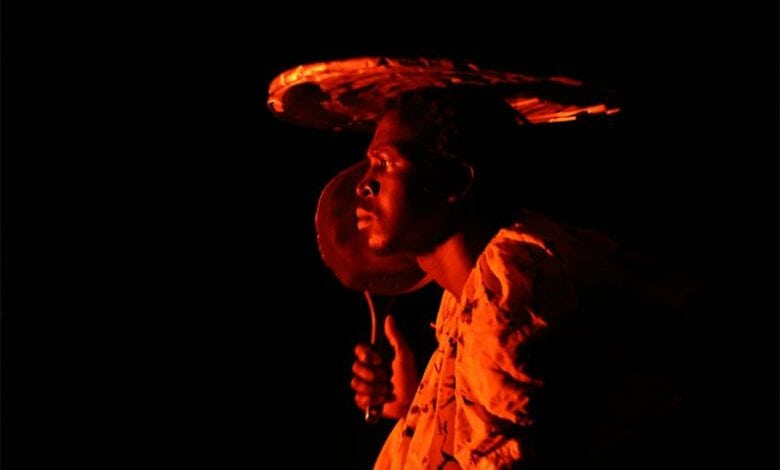
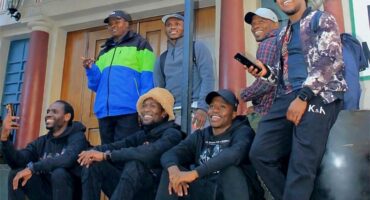
Utnubu Movement is making strides in empowering young people and sparking their interest in the dramatic arts. Through staging theatre productions, with great historical context, the movement’s communication mediator, Lihle Nene, says they want to use theatre as a tool for decolonisation.
Read more: Market Theatre Lab opens doors for aspiring performers
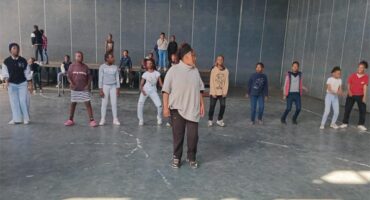
Nene explained that the organisation’s School Theatre on Location (STOL) programme works with Grade 10, 11, and 12 dramatic art learners to develop their skills and knowledge in the arts. They also conduct theatre workshops, and character development training. Additionally, they offer both theatre visits, and school site visits, making it easier for learners to access the arts.
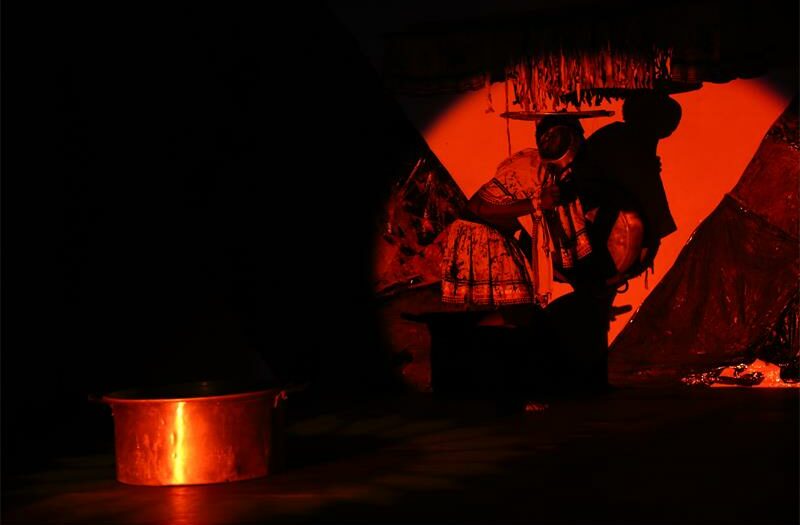
STOL focuses on plays with essential life lessons. One such play is Is’qeda, an imperative play previously performed at the Johannesburg Theatre. Nene said it taught young people valuable lessons about overcoming life’s challenges.
“It teaches them that, in whatever situation you find yourself in, you must find ways to overcome. Young ones are the future generation of the country, and we need to decolonise their minds as a society. So, we also engage in critical issues that we find ourselves in, because of the legacy of apartheid,” he noted.
Also read: Utnubu Movement launches musical and physical theatre programme
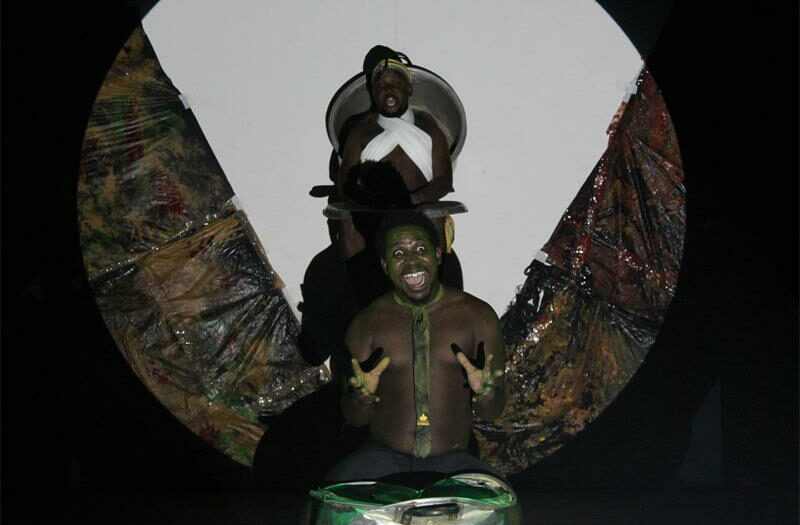
Keeping to their fervent desire to decolonise young people’s minds, Nene says this year they are staging a historical, protest-theatre play by Mbongeni Ngema, Percy Mtwa, and Barney Simon.
“The play discusses a number of issues which were rife in South Africa during oppression in an interesting and physical theatre style. The play has been carefully selected for our STOL programme to serve as a decolonising tool, especially for young students who may not fully understand South Africa before democracy,” he said.
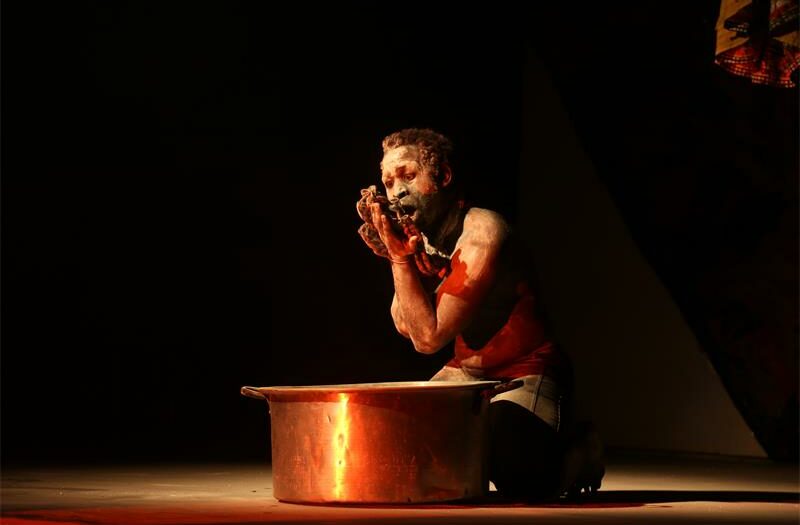
However, it is not only about watching the play; it is also about trying to do the play. Nene says that the learners watch the show, and then would get an opportunity to try it. He further reaffirmed their commitment to training young people to ensure that they grow to join the movement’s commercial programme, which deals with experienced artists.
Follow us on our Whatsapp channel, Facebook, X, Instagram, and TikTok for the latest updates and inspiration! Have a story idea? We’d love to hear from you – join our WhatsApp group and share your thoughts!
Related article: Theatre academy plants early seed of creativity at ECDs