
Johannesburg in crisis as more children are treated for substance use
Substance use crisis deepens as alcohol and drug centre sees the number of minor clients rise to 44% in Johannesburg.
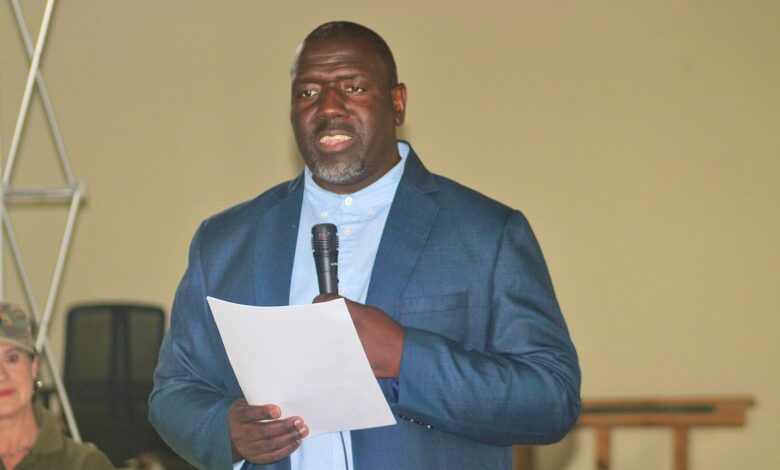
Terrence Makananisa, director of the South African National Council on Alcoholism and Drug Dependence (Sanca) central rand alcohol and drug centre, has blown the lid off a growing crisis of substance use in Johannesburg, especially among children.
Speaking at the stakeholder engagement event held at their Alexandra offices on Tuesday, Makananisa painted a clear picture of where the city stands regarding substance use as of the end of 2025.
Read more: Organisations unite to tackle Alexandra’s growing drug problem
He said there has been a dangerous and heartbreaking shift in substance consumption.
The rising rate of substance use has been noticed among primary school children. He said those under the age of 13 now make up 10% of their clients, up from 2%.
Those between the ages of 14 and 17 now account for 34% of their clients. In essence, 44% of their clients are under the age of 18.
This shows a troubling trend of young people being drawn into substance use before they even finish school, some before they even get to secondary school.
“That is not just a statistic. That is a crisis. It means the fight is no longer only about treatment, it is about prevention at the earliest stages of life. It is about what is happening in our homes, in our schools, and in our streets.”
The issue has mostly been attributed to children’s easy access to drugs and dysfunctional families.
Also read: Government battles rising drug use among youth
A recovering addict, Peter Mmuse, who is now a community patroller, alleged that the crisis in schools is exacerbated by parents who allow their children to use substances, including alcohol.
Overtime the substance use crisis evolved in complexity, with multi-drug use increasing to 40%, according to Makananisa. “Alcohol and cannabis, or dagga, remain the most common substances, often used together. This tells us that the problem is not only growing, it is evolving.”
While Makananisa said there is notable progress in the number of women now reporting for treatment, and that schools are referring 26% of their clients, he said the progress is fragile.
“Behind these numbers lies a deeper reality: Families are overwhelmed. Parents are struggling to contain their children. Communities are grappling with gangsterism, drug peddling, and the breakdown of family structures.”
He added that the task that stands before them demands co-ordinated, sustained, and well-resourced action.
“If Johannesburg and Gauteng can get this right, we can become a blueprint for the rest of South Africa.”
Follow us on our Whatsapp channel, Facebook, X, Instagram, and TikTok for the latest updates and inspiration!