Beautiful blooms
There are two popular orchids that are the most freely available and a treat to grow.
Through winter, nature seems to make up for the cold by giving us some of the most special flowers to cheer us up.
To grow the best orchids is much easier than one thinks and they are extremely rewarding.
There are two popular orchids that are the most freely available and a treat to grow.
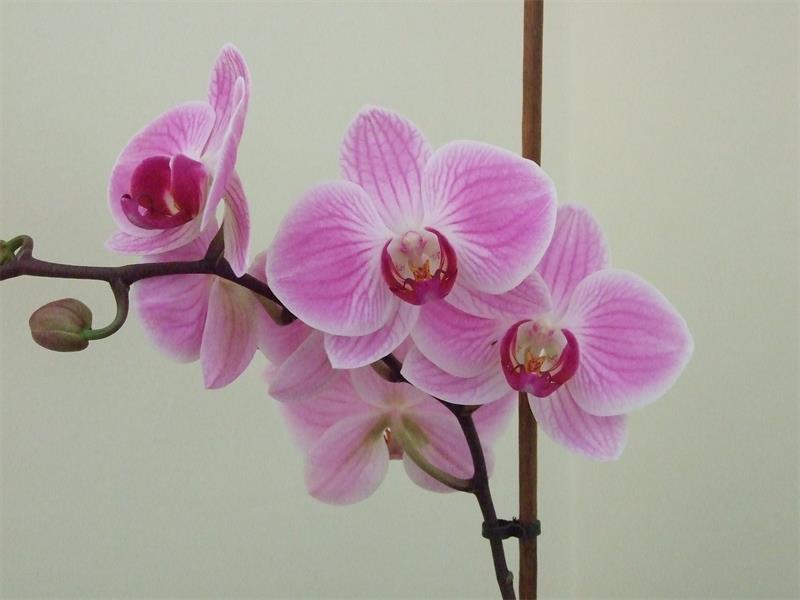
The Moth Orchid, Phalaenopsis, has become popular as it can flower for months on end and flower throughout the year.
Cymbidiums flower in winter through to spring and provide spectacular sprays of flowers that last for ages, even when cut for the vase.
With all orchids, if you get the three key points right the rest falls into place.
The three things to consider are light, positioning and feeding.
Simple tips to grow the best Cymbidiums;
Originating in Asia and north India Cymbidiums became popular during the Victorian era. One feature that makes the cymbidium so popular is the fact that the plant can survive cold temperatures as low as seven degrees and that they flower freely.
Grow them outside, under trees or where they get cool shade from the house or a structure. When they are in flower, move them indoors to bright light. As long as they do not get sun through a window, they will do well.
- Outside – Cymbidiums need the drop in day and night temperature to set their flower spikes, therefore keeping the plant cool, particularly in autumn, is important.
- Indoors – keep your Cymbidium slightly dry, watering only every 10 to 14 days. The water must run out the bottom of the pot. Do not let them stand in water.
When the plant is outside during summer, keep it well-watered but not wet. Always make sure the water runs through the pot to ensure all the plant roots get sufficient moisture.
The Orchid mix that they need to grow in provides little to no nutrients for Cymbidiums and you need to feed them regularly all year to get a good show for spring.
Feed with Orchid food every two weeks. When they are indoors and in flower, feed them every alternate watering.
Once your Cymbidium orchid has finished flowering, cut the flower stem out totally and move the plants outside.
Most orchids like to be root-bound. If your plant is very full in the container, you know it’s about time to re-pot your orchid. However, only re-pot it if it’s not in bloom. Take the plant out of the pot and remove the old bark. Cut away any dead or compacted roots from the bottom of the root-ball. If you decide to divide the plant, try and keep three to five-bulb groupings. If you divide them too much, they will take up to four years to come into flower again.
Usually about five centimetres between the plant and the side of the new container is sufficient. When placing the plant in the pot, position the bulbs so they sit just a little into the surface of the Orchid mix and so that the newest growth is in the centre of the pot, with room to grow.
Simple tips to grow the best Moth Orchids
Growing in trees naturally in Taiwan and the Asian islands, one can easily see how they have become synonymous with tropical gardens. Medium to bright light is preferred and avoid direct sunlight though a window. Moth Orchids need good air circulation and make sure your orchid is away from the heater. They prefer slightly humid conditions. In our dry winter weather you can increase humidity by misting your plant foliage in the morning. Do not mist at night.
Before you water your Phalaenopsis, make sure it is dry to touch. If it is still wet, do not put any more water on it. In general, your orchid plant needs to be watered every seven to 10 days in summer and 10 to 14 days in winter. Do not allow your orchid plant to stand in water. Feed with Orchid food every second time you water.
Once your orchid has finished flowering, cut the stem about two centimetres below the first bloom. Sometimes a branch will emerge with more blooms from one of the nodes on the stem.
If nothing happens in six to eight weeks, cut the flower stem all the way back. A new spike will form after its resting period. To re-bloom, place your orchid near a south window or somewhere in the house where it’s warm during the day and cool at night. A difference between night and day is required to stimulate flowering.
If your plant is showing a lot of roots, whether inside or outside the pot, you know it’s about time to re-pot your orchid. However, only re-pot it if it’s not in bloom. Clean the roots and cut the dead ones off. Try to avoid hurting the healthy root tips when you re-pot your orchid; just gently wrap the roots with new sphagnum moss or with orchid mix.
Information compiled by Caxton East Rand features writer, Carmen Norton.