Leaders call for action against bullying in schools
Speakers urged learners, educators and communities to address bullying, discrimination and harmful stereotypes affecting boys and young men.
Bullying remains one of the biggest challenges facing learners; it not only affects their confidence and well-being but also their sense of belonging.
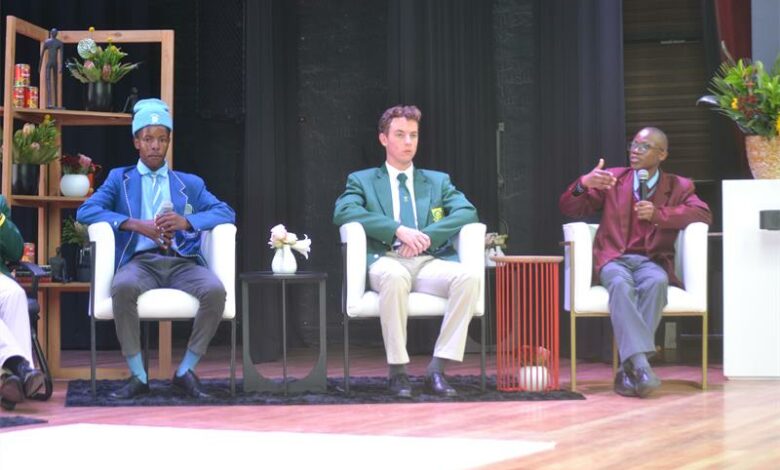
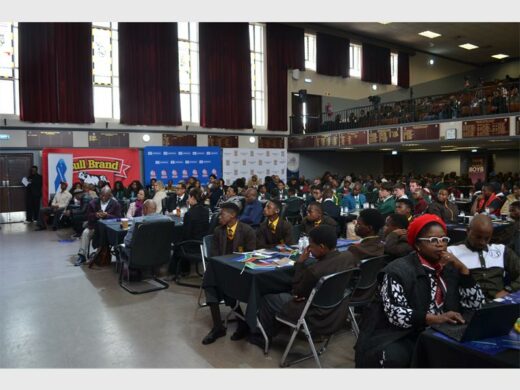
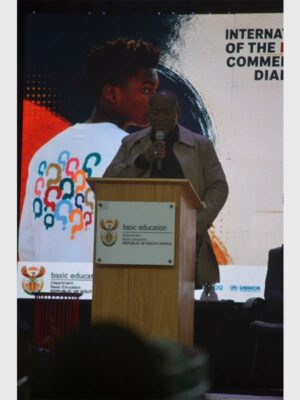
Recently, the Department of Basic Education, the Gauteng Department of Education and various stakeholders came together to commemorate the International Day of the Boy Child at Jeppe High School for Boys.
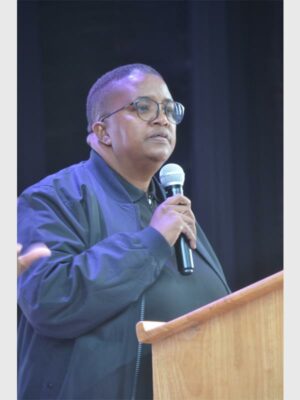
The spotlight fell on the importance of creating safer, more supportive environments not only to promote positive mental health, but also to provide environments where children can thrive free from bullying and discrimination.
ALSO READ: Dowerglen High learners share views on bullying in schools
Kicking off the event, Gauteng MEC for Education, Sport, Arts, Culture, and Recreation, Lebogang Maile, explained how patriarchy is a concept that transcends gender, despite men often upholding it throughout society.
“Patriarchy is a systemic structure of power and control, not a trait exclusive to men. It is for this reason that while men disproportionately benefit from it, both men and women are socialised to participate in and uphold it.
“While patriarchy grants men structural advantages, it imposes severe personal costs, it imposes rigid social norms that restrict emotional expression, promote risky behaviour and isolate men socially,” said Maile.
He said boys and teens are often socialised to suppress their emotions, which leads to higher levels of isolation and unaddressed mental health factors later on in life.
“Positive masculinity needs to be promoted. There needs to be strong, healthy leadership, and it must be acceptable for boys, teens and men to express their emotions.”
Maile said one way boys can prevent bullying and discrimination at school is by starting with their peers.
“Call out sexual and demeaning jokes about women among your friend groups. We need to value women and everyone in society. Challenge your friends,” said Maile.
ALSO READ: Police investigate alleged workplace bullying after member’s death
He also highlighted the important role that educators play in creating safe places.
“Learners must be taught to express and feel their feelings of sadness and anxiety instead of defaulting to anger,” said Maile.
Deputy Minister of the Department of Social Development, Mogamad Ganief Ebrahim Hendricks, said the department is aware that boys and young men go through many challenges.
He said through the department’s Boys Championing Change programme, the government has learned that many boys grow up without a father figure or do not know who their biological father is.
“Boys need a positive male role model in their lives to help them navigate life changes and learn what it means to be a man,” said Hendricks.
He said the lack of positive male role models in the lives of boys and teens not only affects masculine identity but leads to bullying, substance abuse and young men falling in with the wrong groups.
ALSO READ: St Benedict’s College sets record straight on alleged bullying incident
“It can also affect mental health, causing anxiety, aggression, depression, which may lead to suicide,” said Hendricks.
He encouraged learners to always choose the best path in life.
“Don’t do the wrong thing just because you have been wronged in life,” said Hendricks.
Mmapaseka Steve Letsike, Deputy Minister of Women, Children and People with Disabilities, said as a country we can no longer pretend that silence is harmless.
“We are gathered here because silence has consequences, silence turns pain into anger, loneliness into violence and fear into action.
“Silence teaches children to hide wounds until those wounds begin to speak through behaviour.
She said a society that teaches boys and teens not to cry must not be surprised when some of those young men cannot name their pain except through rage.
Letsike said, according to the constitution, nobody should be discriminated against on the basis of race, class, gender, sex, sexual orientation, nationality and disability.
She said boys and teens are not a homogeneous group.
“The struggles that boy children from different areas go through and experience must be understood.”
“When we respond to the needs of boy children, we must understand their experiences so that we can respond on time and with tailor-made responses and educate them in the best way possible,” said Letsike.
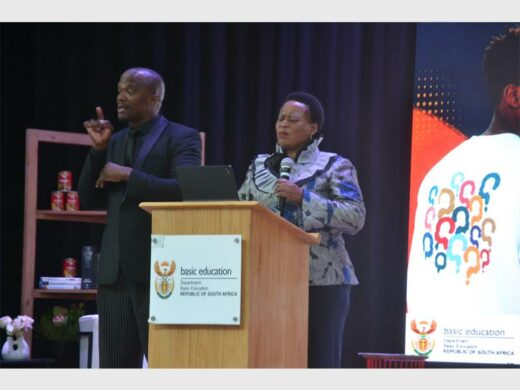
Dr Makgabo Reginah Mhaule, the Deputy Minister of Basic Education, in her keynote address, stated that boys arrive at school already behind girl learners.
“Before they even sit at a desk, before peer pressure, boys are already trailing, and as they grow older, the gap does not close.”
She said more than half of the boys in sub-Saharan Africa experience abuse during childhood.
ALSO READ: Local school takes a stand against bullying
“Many disengage from schooling not because they lack ability but because the environment around them, which includes family, peers, media and school itself, has told them that vulnerability is weakness, that asking for help is failure, and that silence is strength.
She said we need to break this silence before it becomes violence.
“The suppression of emotional expression among boys and teens does not produce resilience; it produces resentment, depression, and in too many cases, it produces violence.”
“When boys are socialised to deny their inner lives, we do not make them stronger , we make them dangerous to themselves and in many cases others.”