Experts call for fresh approach to tackling bullying
A shift from the olden way of tackling bullying is suggested with a move towards what we want to see in terms of solutions being more emphasised.
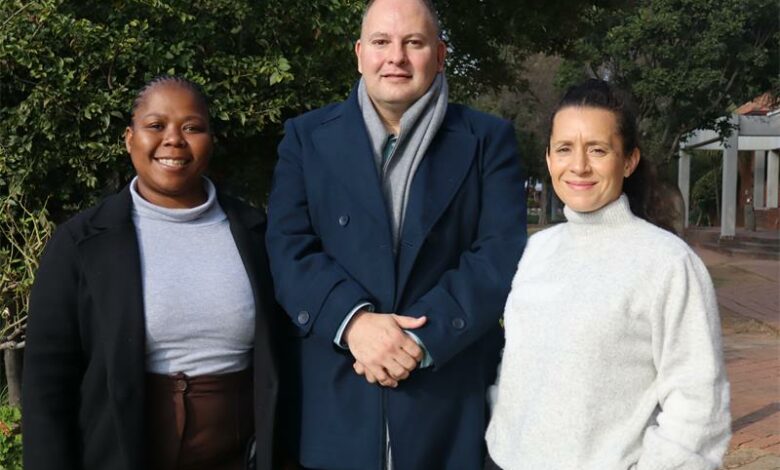
Experts in psychology agree that a different approach to bullying has to be taken because of how much the dynamics have evolved.
Head of department for psychology and multidisciplinary team at Saheti School, Dr Fred Schouwink, said it’s very important to understand that bullying is something that happens regularly.
He said it’s the consistent, intentional behaviour that involves thinking about intimidating, humiliating or excluding another child. It is a power dynamic that plays out.
ALSO READ: Leaders call for action against bullying in schools
Adding to that, Jacqueline Da Silva, an educational psychologist specialising in the foundation phase, said that the understanding of bullying has changed significantly over time.
She explained that schools and professionals have had to move beyond the traditional definition of bullying and now consider what may be happening in the lives of both children involved in the situation.
She said signs of being bullied would be portrayed differently based on the child and their age.
“If there is any kind of behavioural change that we notice in our children as teachers at school or parents at home, that should be a red flag, and we should ask what’s going on.”
Da Silva added that some of the changes would be in how they’re sleeping, eating – appetite patterns, inactivity levels, an increased level of agitation and irritability, a feeling of anxiety, the child’s academic performance, how they are functioning in their social spaces, in relationships, with family members.
ALSO READ: SAHETI learners share anti-bullying solutions
Any kind of shift in behaviour and how this child is moving through their world. Also taking note if they’re being absent from school; avoidance – are there things that this child used to love that they no longer do?
Schouwink said if the child is the one bullying, this would show by how that child lacks empathy for certain situations or other children.
The child is always blaming others and saying they made him/her do this, and does not take responsibility or accountability.
“However, we also have to be careful in defining a bully and a person being bullied because roles can switch very easily.
“This is because there might be something going on with the child who is bullying in that perhaps some things made them feel powerless themselves, so they’re trying to exert more control over the younger learner or the more vulnerable learners,” Fred said.
Types of bullying
Nonkululeko Mnguni, an educational psychologist specialising in the intermediate phase, recalled that at one time it was very clear that bullying was the physical, verbal and emotional types.
But since the introduction of technology, she noted that it has become so much broader.
ALSO READ: Police investigate alleged workplace bullying after member’s death
“We have bullying happening in gaming, social media, and that is scary because it may be hard to trace the perpetrator, someone who is behind the screen.”
She said exclusion is a form of bullying, whereby you’re excluded from a group; for instance, some create a WhatsApp group and don’t invite you to make sure that you are alone and singled out.
Adding on to that, Da Silva mentioned physical bullying, emotional bullying and relational aggression.
“That’s where isolation and exclusion take place and relationships are used as weapons and targeting people’s reputation,” she expanded.
Schouwink added identity-based bullying whereby one is isolated or humiliated based on their race, beliefs, gender or sexual orientation.
Roles to be played
Mnguni said that as the community at large, we can take away the stigma of silence.
She said to encourage children to speak out if they’re being bullied. “To open communication where we trust one another and to always believe the child when they tell you something has happened.
“We must do away with the culture of victimisation. It’s important for parents to affirm to their children that they believe them and assure them that they are there for them and will do something about it.”
Da Silva pointed out that this is a systemic issue, therefore it has to start at the very top from the policy makers, then management, schools and parents.
“We need to have an approach and define what we want to see as opposed to what we don’t want to see. It is so important that all of us walk the talk because bullying is not somebody else’s issue or problem.
“If we see something that is not right, let us not be bystanders but say something, whether in that moment or in empowering our children, so that we can effect meaningful and positive change.”
ALSO READ: High 5 inspires anti-bullying spirit at Sacred Heart
Schouwink noted that while much of the conversation focuses on anti-bullying initiatives, it is equally important to define the positive behaviours and values that communities want to promote.
He said the emphasis should be on fostering inclusion, respecting differences, celebrating diversity, and creating environments where differences are embraced rather than merely tolerated.
“You actually have to be intentional, and it’s not a little class or talk, it’s a way of walking the talk, a way of being in a school community and culture.”
Fred cautioned against the use of the phrase “zero tolerance”, noting that it can sometimes contribute to a culture of silence rather than encouraging open dialogue and resolution.
He emphasised the need to focus on how relationships can be repaired after harm has occurred, stressing that while accountability remains essential, equal attention should be given to restoring trust, promoting understanding, and creating opportunities to make things better moving forward.
Nonku added that teachers and parents have to be models in terms of interacting with each other so that the children may learn from them.