Despite enlightened laws and the Constitution, LGBTQ+community is still discriminated against
“There is much misunderstanding and confusion about this subject. More education needs to be undertaken, starting at the primary school level.”
The LGBTQ+ community celebrates Pride Month every year in June as a way to recognise the influence this community is having around the world.
Pride Month is also an opportunity to peacefully protest, and to raise political awareness of current issues facing the community.
South Africa was the first country in the world to enshrine gay rights in its Constitution and, and in so doing, provided its citizens with constitutional protection from discrimination based on sexual orientation.
Also read: US restricts visas to unmarried gay diplomats
Several more countries in Southern Africa followed suit to decriminalise same-sex relations. This included Mozambique, Angola and Lesotho.
A recent victory for the LGBTQ+ community, and its civil rights activists in Africa, was when Botswana’s High Court overturned a colonial-era law which criminalised consensual same-sex relations on June 11.
However, despite the strides that have been made, the LGBTQ+ community continues to face challenges including homophobic violence, corrective rape, discrimination at work, schools and more. This shows beyond doubt that homophobia is still prevalent in our country.
In his inauguration speech on May 25, President Cyril Ramaphosa included the gay community when he called on South Africans to work towards a country that is non-racial and inclusive, and is home to all, and affirms true gender equality.
Also read: Fewer rainbows, less social media for China’s LGBT community
Importantly, however, Ramaphosa acknowledged that South Africans want “action and not just words and promises.”
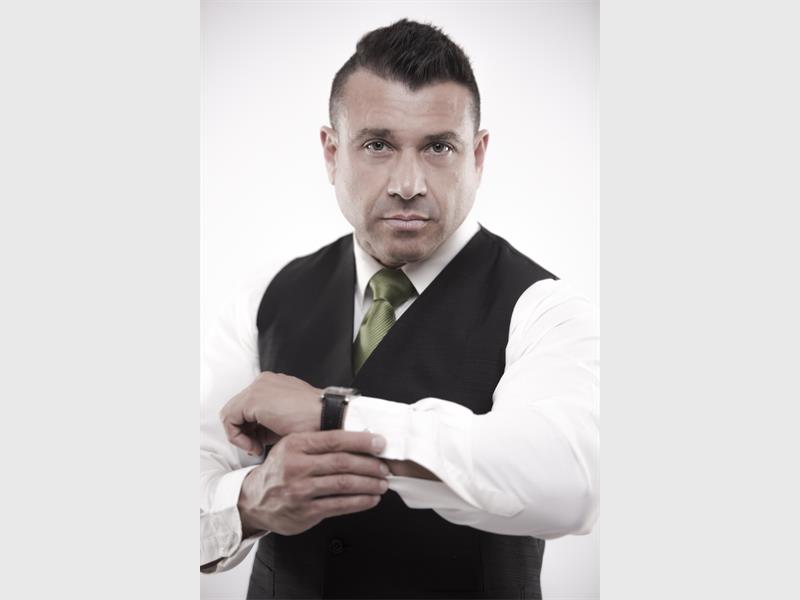
However, openly gay Member of Parliament (MP) Manny de Freitas said he feels not enough is being done to combat homophobia in South Africa.
“Not enough is being done. There is much misunderstanding and confusion about this subject. More education needs to be undertaken, starting at primary school level.”
De Freitas said Parliament has all the required legislation, but said the problem was implementing and enacting them.
“A key example is the homophobia that exists within Home Affairs offices where officials refuse to process same-gender marriages,” said de Freitas.
“Legislation says there must be at least one marriage officer per Home Affairs office that must be available to conduct these marriages. However, in practice this does not happen.”
De Freitas was referring to the Civil Union Amendment Bill, introduced by Cope MP, Deidre Carter, which aims to remove section 6 of the Civil Union Act which currently allows state-employed Home Affairs officials to refuse to marry same-sex couples on the grounds of their personal “conscience, religion [or] belief”.
Also read: Tens of thousands join Mideast’s biggest gay pride fest
In 2018, de Freitas attended the 138th Assembly of the Inter-Parliamentary Union (IPU) as part of the South African delegation.
The topic to be debated was: “The role of Parliaments in ending discrimination based on sexual orientation and gender identity, and ensuring respect for the human rights of LGBTI persons.”
De Freitas said when the session commenced, a number of countries objected to the topic under discussion.
Instead what then ensued was a debate on whether to debate the subject.
“It was overwhelmingly clear that most people did not understand the issue and worked from a premise that being gay is a choice, and that one is not born that way.
“The clear misinformation and misunderstanding during these debates indicated that there was a lack of education, empathy, and understanding of this subject.”