St Benedict’s hosts national conversation on transformation in education
The Embrace Symposium hosted by St Benedict’s College established a powerful call to action for South African educators to actively integrate local heritage into modern schooling to ensure every child feels a deep sense of belonging.
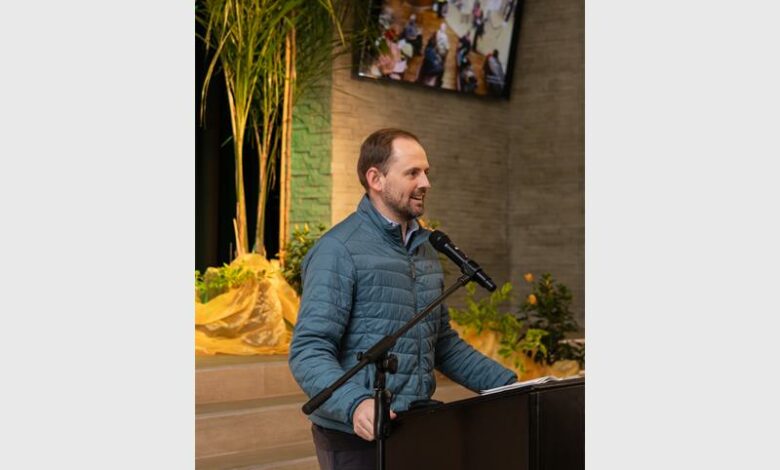
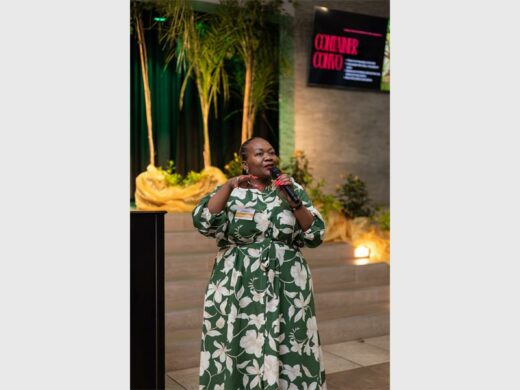
Timed to coincide with Youth Month, the annual Embrace Symposium brought together 100 delegates from 24 schools to address the future of our nation by putting youth-centred education at the very heart of the conversation.
The conference, hosted by St Benedict’s College, issued a powerful call to action for South African educators to actively integrate local heritage into modern schooling, ensuring that every child feels a deep sense of belonging.
ALSO READ: St Benedict’s College stage production returns after eight years
Rather than treating this as a vague ideal, the event on June 4 and 5 challenged teachers to practically rethink the everyday classroom environment so that learners can thrive as their authentic selves.
This year’s theme, ‘Let’s Meet under the Tree: Using Indigenous Knowledge Systems and Pedagogy as Pathways to Social Healing in Education,’ tackled a vital conversation.
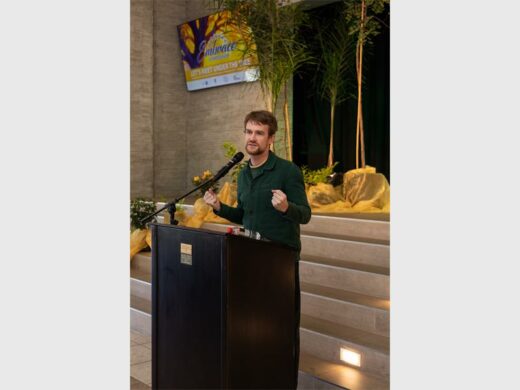
While indigenous knowledge systems (IKS) sound highly academic, the concept is straightforward: weaving traditional African wisdom, local customs, languages, and community-focused ways of learning into the school system.
School leadership recognised that because the core mission of schooling is learning and growth, it is vital to review and adapt traditional curricula through a South African-specific lens, bringing local knowledge systems into everyday learning.
ALSO READ: St Benedict’s College celebrates young artistic talent at annual art competition awards
Redefining indigenous knowledge systems to create a true home
The programme explored how IKS can foster everyday psychological safety. In a powerful presentation, psychologist Erick Kabongo reframed the definition of IKS, describing it as the profound wisdom and worldview that exists entirely outside textbooks, passed down through language, oral storytelling, family structures, and community.
Ultimately, Kabongo challenged the room to consider whether mainstream schools are genuinely making space for this wisdom or quietly erasing it.
He redefined “indigenous” not merely as a historical label, but as that which makes a person feel at home. True transformation, he noted, requires the daily normalisation of diverse stories and practices rather than just symbolic recognition on Heritage Day.
Putting belonging into practice: overcoming traditional hurdles
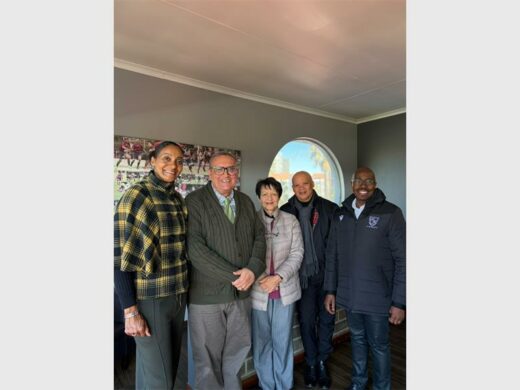
This profound call to make schools a psychological ‘home’ was directly linked to real-world institutional change by St Benedict’s executive head, Andre Oosthuysen.
ALSO READ: Grandparents enjoy a special reading picnic at St Benedict’s College
Reflecting the host school’s commitment to driving transformation from the top down, Oosthuysen shared how the institution has adopted a completely open hair policy, allowing boys to wear Afros, dreadlocks, or ponytails as an authentic expression of personal identity.

The foundational principle is simple: “A boy’s hair is his halo. As long as hair does not disrupt a boy’s academic efforts, it should not be overly policed.”
However, implementing these changes requires confronting deep cultural inertia. The hair policy has sparked backlash from some parents and alumni who view the shift as a decline in discipline, despite student behaviour remaining unchanged.
Reclaiming language and identity
Professor Connie Makgabo, an academic and experienced educator at SALNS, presented a vision where classrooms evolve from rigid academic spaces into emotionally safe environments.
She criticised the colonial legacy of using English as the primary language of learning and teaching, noting that linguistic exclusion fosters deep-seated shame among non-English-speaking learners.
Demanding a radical shift toward language revitalisation, she stated that teaching without healing is like “watering a stone.”
ALSO READ: St Benedict’s College announces 2026 student leaders and captains
Attorney and teacher Chris Harrison turned the spotlight further onto language, warning about a concerning trend in which parents who speak African languages choose to speak only English at home, resulting in a thin home language that undermines a child’s cognitive development. He challenged elite education to stop devaluing mother tongues and urged white South Africans to actively learn local languages to break out of monolingual complacency.
Shifting the centre: brave spaces
Upper school history teacher Tebogo Maneli delivered a powerful, deeply personal call for a fundamental shift toward African-centredness.
Drawing on the concept of institutional spaces, Maneli asserted that educational environments cannot always be entirely safe, but they must always be brave. She urged educators to cultivate spaces where uncomfortable, rigorous conversations about race, systemic gatekeeping, and identity can take place openly without resorting to automatic defensiveness.
From empathy to truth
The profound impact an empathetic educator can have was brought to life by media personality and broadcaster Dan Corder, who shared his personal journey as an unconventional child with generalised autism and ADHD who struggled with severe social anxiety and a debilitating stutter.
He credited his high school debating coaches and teachers with saving his life simply by responding to his eccentricities with empathy, patience, and humour.
ALSO READ: St Benedict’s College celebrates Heritage Day by embracing cultural diversity
Corder urged independent and religious schools to leverage their moral authority to break out of performative compliance and elite isolationism, transforming their institutional power into real community engagement and radical, active support for under-resourced schools.
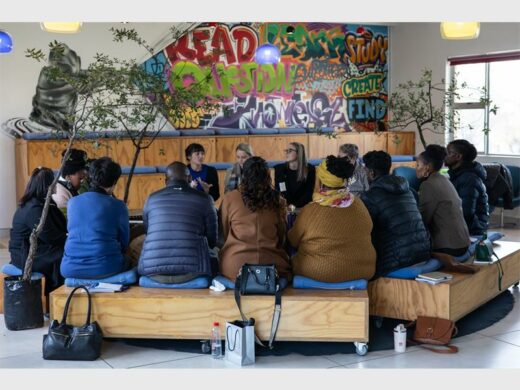
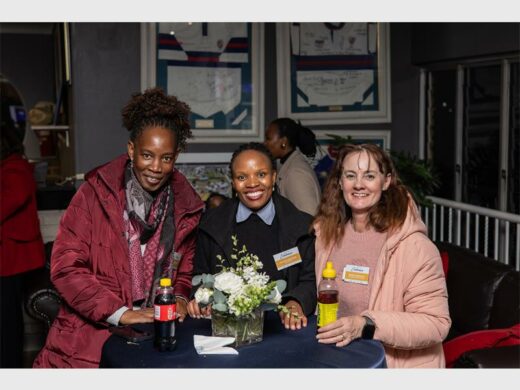
Shared experiences and lived belongingThe opportunity for open, honest dialogue extended directly into the breakout sessions, where delegates from different schools and backgrounds shared ideas for taking these learnings back to their own institutions.
While parents seldom see this level of behind-the-scenes dedication, the delegates demonstrated that they are the passionate custodians of their children’s education, driven by a fierce desire to see a change that helps learners thrive.
Ultimately, the Embrace Symposium demonstrated that true transformation is not about symbolic recognition on Heritage Day, but about moving toward lived, daily belonging where every learner can bring their full self to school.
ALSO READ: St Benedict’s College gives back through fundraiser
These vital, transformative conversations were made possible thanks to this year’s sponsor, Motus Bedfordview, whose support ensured these essential educational dialogues could take place. Next year, the Embrace Symposium will return to tackle even more difficult, necessary topics that must be spotlighted to make real change in South African education.