Tracing lineage can be exciting
Julie Shapero gave a talk at the Northmead Tennis Club at a University of the Third Age (U3A) meeting on June 22, about her journey as a genealogist.
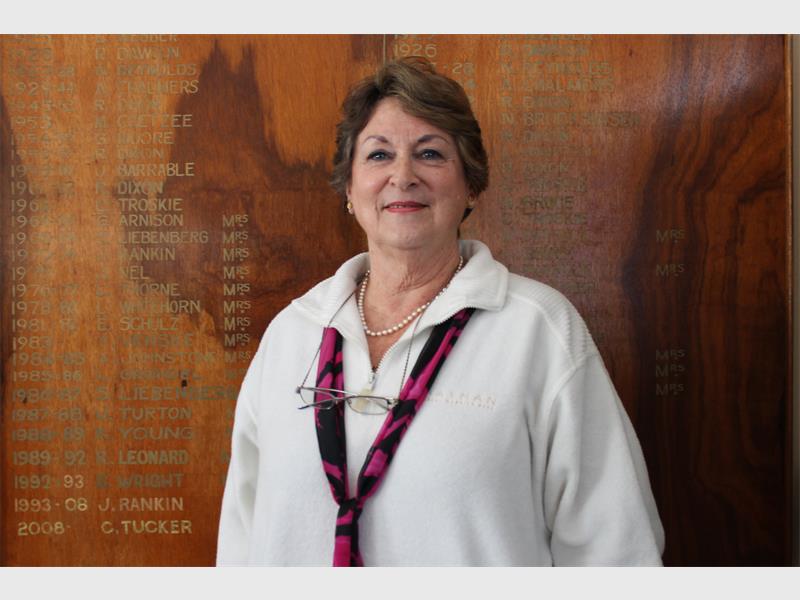
“Everything has been so exciting; I’m like a dung beetle, rolling things out here and tying things together there.”
For Shapero, it all began in 1993 when her son, Sean Cochrane, gave her the idea to create a family tree for her granddaughter, Maxinne Cochranne, who had been born that year.
She then embarked on a journey to find her distant relatives and researching the history of her family and the Shapero surname; which became a stepping stone to a satisfying career in genealogy.
A genealogist studies and researches family histories, tracing the lineage of people down to the furthest relative found.
Extensive research is a fundamental part of unearthing important details.
Shapero said it is best to start with your parents’ information and work yourself down; you must exhaust all options and sources to put faces to the people in the family tree.
Much of the research genealogists do involves visiting graves, museums and other state agencies that may have names, birth and death dates, enrollment records and research census material.
Shapero mentioned that there are people from all walks of life who call in to help by passing on whatever valuable information they might have, which makes the journey easier.
Shapero said the furthest you are mostly likely to go into the history of a family is in the 1700s.
The genealogist is a member of the U3A, which is an organisation for elderly people that aims to educate and stimulate their minds after they’ve retired.
The members meet monthly on outings or enjoy educational talks on various topics, by various speakers who specialise in specific professions.
Also read:
School graduates might find answers here
Follow us on these platforms:
Like our Facebook page and follow us on Twitter.
For news straight to your phone invite us:
WhatsApp: 079 431 2006
Instagram: benonicitytimes.co.za