Zapiro visits Benoni for insightful talk
The award-winning artist also explained how each element is displayed in his work and is related to the current state of South Africa.
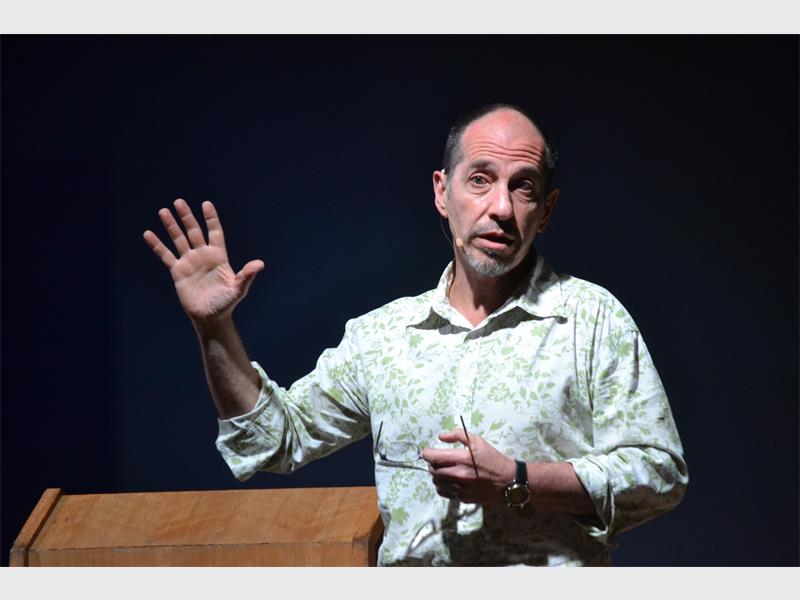
Jonathan Shapiro, famously known as political caricature cartoonist Zapiro, visited St Dunstan’s College on November 18 for his talk titled Careful – This Pen is Loaded, hosted in conjunction with the City Times.
Hailed by many as a South African icon and a legend in the political sphere, he began creating cartoons from a young age that he deems enabled him to “point out things that were uncomfortable.”
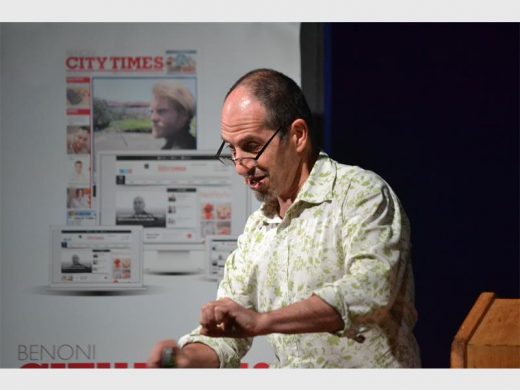
“A cartoon is a way of seeing things and caricatures are a part of this,” he said.
Zapiro initially studied architecture, was also conscripted to the army for a period of time and then became active in 1983 in the newly formed United Democratic Front (UDM).
After studying media arts abroad through a scholarship, he later became an internationally acclaimed artist and, in more recent times, sculptor.
Not one to shy away from sound journalistic practice, Zapiro has often portrayed the good, the bad and the ugly and has even contended with lawsuits levied against him by former president Jacob Zuma.
ALSO READ:
Rudo Institute empowers aspiring entrepreneurs
Books filled with Zapiro’s cartoons, pertaining to each ‘phase’ South Africa has either evolved from or is/was heading to, have also been published.
From the infamous shower head to the EFF Grinches who were less than content with the Springbok Rugby World Cup victory, Zapiro’s work spans a few decades and aims to capture what is identifiable within the public eye, while creating a satirical twist that appeals to many.
“I draw what I see,” was a statement he made to the security police in the apartheid era after he was detained for an iconic piece that depicted, to some extent, the then state of South Africa.
Keeping to the tune of democracy in his pieces, evidence of deep thought and attention to detail can be seen with careful evaluation.
The icon also shared his admiration for the likes of Archbishop Desmond Tutu and late statesman Nelson Mandela, both of whom he has created sculptures of.
The talk ended with a question and answer session with the audience. Thereafter, there was a book signing with some of his all-time greatest works as well as new releases available on the day.