Community members must make sure treatment centres are legitimate
Anyone who requires assistance to register for such a facility can obtain application forms at any provincial DSD and criteria for registration will be provided.
The incident where 70 drug addicts were rescued from an illegally operating rehabilitation centre in Polokwane, Limpopo, has raised alarm that these kinds of centres keep mushrooming in South Africa.
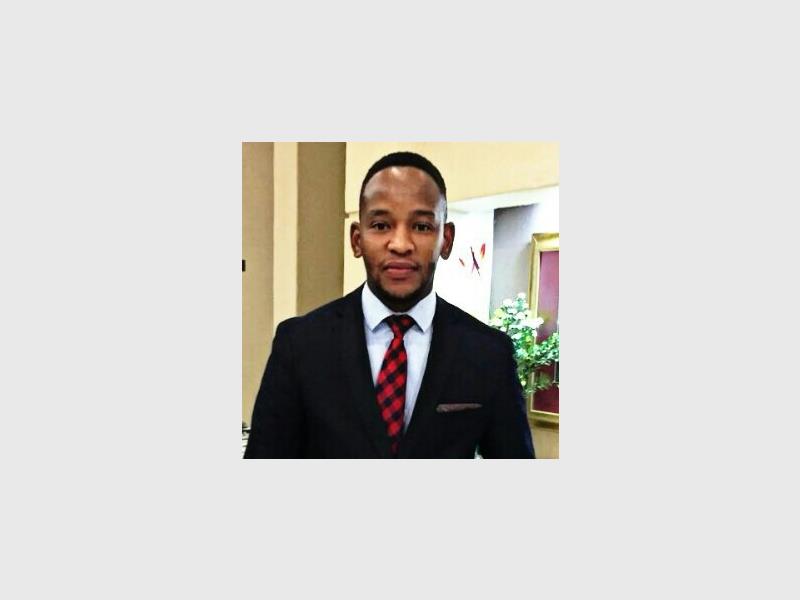
Phetoho Maja, a concerned citizen and an activist in the fight against drug abuse, said: “I remain worried that our young people are being tortured and robbed of their future at the hands of illegal rehabilitation centres and halfway houses.
“This incident raises a concern that government should intensify its efforts to work with communities and civil society organisations to ensure that such facilities are encouraged to register with the Department of Social Development, and those that do not comply are closed.
“Equally so, community members should verify legitimacy of these centres.”
Maja added that it is extremely disturbing to note that many of the owners running these illegal treatment centres only approach government when medical aid schemes reject their claims as they are not licensed to operate or when they are not recommended for funding.
ALSO READ:
Rotary Anns thanks Pick n Pay at Sheridan Shopping Centre
“Therefore, one can only conclude that the owners of these facilities are mainly driven by a desire to enrich themselves at the expense of ordinary citizens who may not be aware that they are indeed putting their lives in danger by using illegally operating facilities.”
Social work manager at the Gauteng Department of Social Development (DSD) responsible for substance-abuse prevention, treatment and rehabilitation Desary Carlinsky said the Prevention and Treatment of Drug Dependency Act 20 of 1992 is very clear on this matter.
“The Act stipulates that no person shall manage any institution or other place maintained mainly for the accommodation and care of persons who are dependent on drugs or in which such persons receive physical, psychological, spiritual or social treatment unless such institution or place is registered under this section,” said Carlinsky.
She added that while the Act is clear that no person shall operate an unregistered treatment centre, it is difficult to identify and close these facilities once they start operating.
Carlinsky said the Gauteng Provincial Government has since December 3, 2019, closed 17 illegally operating rehabilitation centres.
“This means that hundreds of young people were rescued from this debacle.
“It has come to the attention of the Gauteng DSD that a number of treatment centres and halfway houses are still being established without being registered in terms of the above-mentioned Act.
“It must be noted that unregistered treatment facilities operating illegally could be prosecuted.
“No treatment facility or halfway house should open its doors before registering with the department in terms of the Act,” she added.
Anyone who requires assistance to register for such a facility can obtain application forms at any provincial DSD and criteria for registration will be provided.
However, should any residential facility neglect to apply for registration, legal action will be taken and such facilities will be closed.