
#PolliNationSA: Plant an indigenous tree
Candide will be hosting a webinar focusing on trees and what springtime means for bees on September 3 at 3.30pm
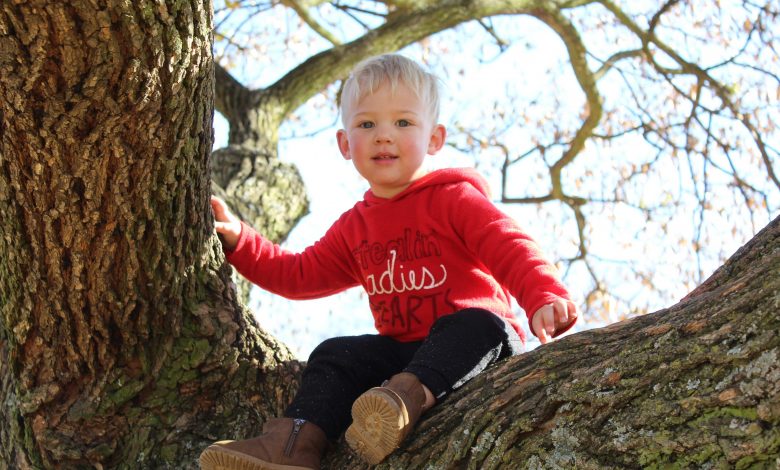
Arbor Week, a global annual awareness week that shines a light on South Africa’s 2 000 indigenous tree species, takes place from August 31 to September 4.
With a focus on some of the oldest, largest and most culturally significant trees, Arbor Week also calls for people across the country to plant indigenous trees as a practical and symbolic gesture of sustainable environmental management.
Arbor Week also takes place at the beginning of spring, in the first week of September, just as bees awake from hibernation and do what bees do.
Candide and #PolliNationSA have partnered for this year’s Arbor Week and hope to achieve a lot more environmentally this year.
“Candide supports all efforts that create a positive impact for our gardeners and their gardens,” explained Candide market lead Shani Krige.
“Arbor Week is a very important annual event that has achieved incredible awareness in the past. There are definite similarities to what we hope to achieve with #PolliNationSA.
“Bees need all the support they can get,” explained Krige.
“Faced with ongoing challenges, from irresponsible pesticide use to habitat destruction, it is imperative that communities do all they can to assist these highly specialised pollinators.
“One way is to ensure your garden consistently provides bees with vital resources like water, pollen and nectar.”
It’s also possible to do good for both of these movements with a simple, single action: plant an indigenous tree.
“Indigenous trees provide foraging and a habitat for a multitude of creatures, from animals and insects to our all-important honeybees,” Krige added.
To make it easier for you, Candide has also compiled a list of options, a variety that are all easy to grow and highly attractive to bees:
• The forest elder (nuxia floribunda) is a moisture-loving floriferous tree that should be planted in deep soil in a sunny to partly shady spot. Its sweetly scented, creamy-white flowers make it very attractive, both in appearance as well as to many insectivorous birds. Bees too are drawn to it in search of nectar and pollen.
• The coast silver oak (brachylaena discolor) is a fast-growing, drought and frost-resistant evergreen that forms an irregular V-shaped canopy and is between four and 10m high. During flowering, the entire tree is covered in masses of nectar-rich, creamy-white flowers, attracting bees and other insects and birds.
• The karee (searsia lancea), an evergreen that grows to around seven metres in height, is an excellent shade tree that adapts well to different soils. It produces small, inconspicuous but sweetly scented flowers, a favourite for many birds, as well as bees and other insects.
Candide will be hosting a webinar focusing on trees and what springtime means for bees on September 3 at 3.30pm.
This exciting discussion sees Krige in conversation with Dr Tlou Masehela, a scientist at the South African National Biodiversity Institute (SANBI) and chairperson of the Western Cape Bee Industry Association (WCBA), and Mike Allsopp, an African honeybee expert and senior researcher at the Agricultural Research Council.
Make sure you tune in to hear some incredible insights and stories.
The #PolliNationSA campaign is for anyone and everyone, and getting involved is extremely easy:
• If you’re not already part of the Candide community, download the free Candide app from iStore or Google Play.
• Snap a pic of a bee-friendly plant, flower or tree you’re growing in your garden, on your stoep, windowsill or balcony. Examples of bee-friendly plants and flowers include aloe, vygies, clivia, daisies, protea and rosemary. You might want to consider more than one option to ensure there’s something in bloom for the bees throughout the year. Candide can help you with loads of information on pollinator-friendly plants.
• Share the pic on the Candide app using the hashtag #PolliNationSA.
• Once posted, you’ll receive a #PolliNationSA icon that will be added to your Candide profile pic. Your pollinator status is confirmed!
For more information visit www.candide.co.za, send an email to hello@candide.co.za, follow on Instagram @candideappza and like them on Facebook @candideappza
ALSO READ: Origins of the Christmas trees
ALSO READ: 400 trees planted in Barcelona and Etwatwa to celebrate Arbor Month