Unattended water leak costs council and Korsman Bird Sanctuary dearly
"At first, it was 90 million litres a year, but that has risen with other leaks from Main Road. Presently, 114 million litres a year of drinking water runs into Korsman.”
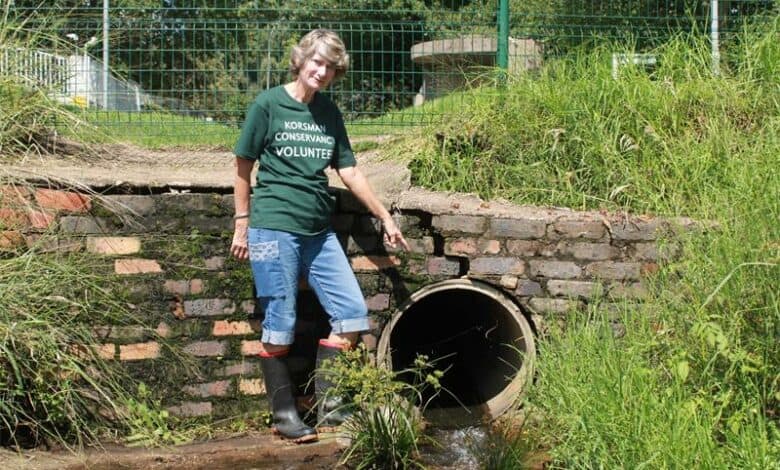
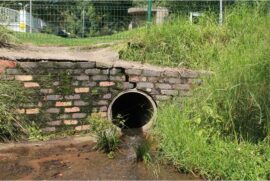
A water leak under the Western Extension railway bridge on Woburn Avenue resulted in millions of litres of clean drinking water being wasted into the Korsman Bird Sanctuary in Westdene.
The Benoni City Times reports on the water leak date to 2008 and 2021. Up to this day, the source still has not been identified and water continues to flow into the Korsman pan.
Revenue loss
Korsman Conservancy chairperson Jane Trembath has tried in vain since 2018 to get the leak fixed by the council.
“The city excavated three sections in the bridge area, with no result. It could be an old pipe which was not shut off properly or a leak from an existing pipe.
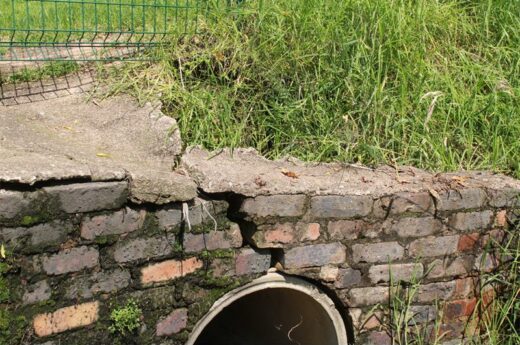
“It would be easy to find if it came to the surface but, the water is directed underground into the bridge structure.
“There are no historical maps of the old water pipelines, so it may come from a line which is not mapped,” said Trembath.
“This has resulted in significant amounts of water being lost because of the high levels of non-revenue water, which affected the municipality’s pockets and the environment, especially in the sanctuary.
“I started quantifying it in 2021. At first, it was 90 million litres a year, but that has risen with other leaks from Main Road. Presently, 114 million litres of drinking water runs into Korsman every year,” she said.
To see the extent of the wastage, the City Times visited the area.
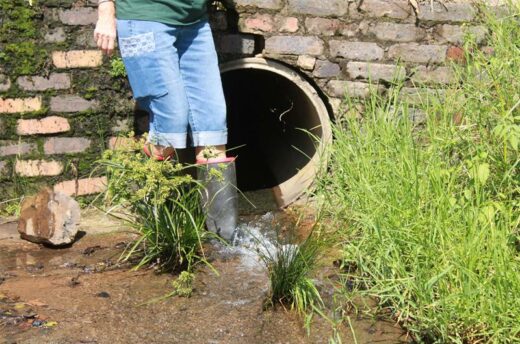
One million rand a year for 13 years and still nothing but leaks
We witnessed a leak discharge from under the railway bridge on Woburn Avenue, with the water turning down a stormwater gully in Drury Lane and then down the stormwater drain into Korsman.
Environmental impact
The impact on Korsman is severe, with Trembath citing rising water levels, invasive plant species and sewage spills as the ecological problems caused by the leak.
“It raises the pan water level by 30cm a year, which hampers our environmental work because it is just too deep.
“The water along the railway line has allowed invasive species to thrive and no matter how much we remove it, it keeps getting reseeded from the railway line.
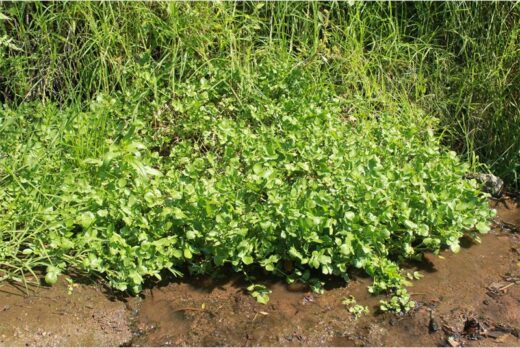
“Invasive plants, such as watercress and Alisma, have spread around the pan.
The continuous water flow conceals sewage leaks from the Western Extension, sometimes taking days to clear.
She is despondent because if the leak was open, it would have already been fixed.
“If I did not push, nothing would be done. There is always another crisis and resources go elsewhere.
“I feel I am fighting this on my own. Ward 28 councillor Mary Goby has helped,” she said.
Course of action
Responding to what she thinks the municipality’s next course of action should be, Trembath said the City of Ekurhuleni (CoE) had to allocate more resources to the water and sanitation department.
“A Rand Water report shows they needed R17bn to repair water pipes in Ekurhuleni, but the municipality budgeted only R577m – a shortfall of 96.5%.
“The engineers in the water and sanitation department are competent but hampered by a lack of resources.
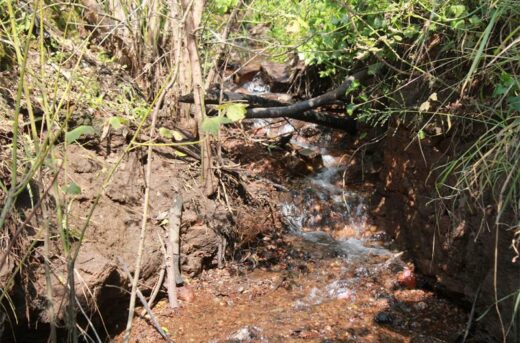
“The next action should be to close the valves on the two existing pipes and see if the water stops. They could carry out underground leak detection.
“The short-term cost is nothing compared to the long-term cost of the wasted water. The Rand Water bulk tariff to municipalities is rising to at least R15.41/kl and the leak will cost the CoE around R1.75m per year,” said Trembath.
The City Times requested comment from the CoE, but none had been received at publication.
Also Read: Editor’s Trip Down Memory Lane: Walking Korsman with its ‘boss’ Jane Trembath