
Know the signs that your child might be bullied
Regular check-ups with a doctor can help address any physical symptoms from stress or bullying.
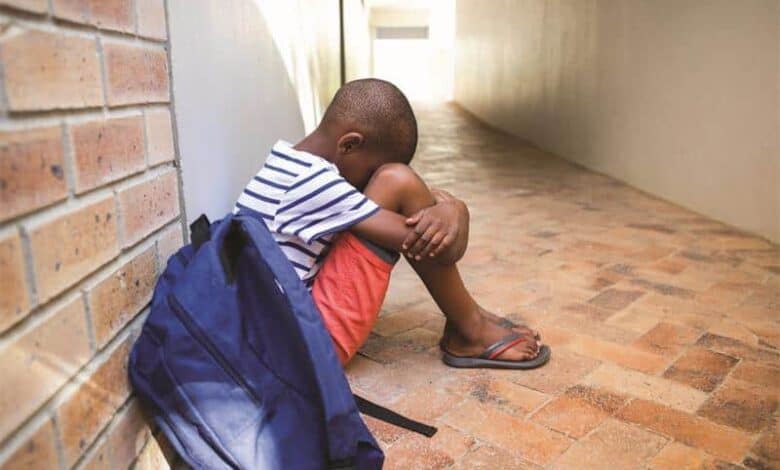
Bullying is a serious issue that affects children physically, emotionally and socially.
While parents often focus on emotional changes, the physical signs can be some of the first clues that something is wrong, says Affinity Health.
Recognising the warning signs of bullying early on allows parents to take action, provide the necessary support and create a safe environment where their child can regain confidence and feel secure.
Here are physical signs parents should be aware of:
• Unexplained injuries
Repeated injuries like cuts, bruises, scrapes or sprains can be a sign of bullying, especially if a child can’t explain how they got them. Some children might hide the cause of their injuries because they feel scared. Parents should calmly ask them about what happened without pushing too hard.
• Frequent complaints of illness
Bullied children often experience physical symptoms like stomach aches, headaches or fatigue, which might be stress-related or an attempt to avoid school. Bullying-related stress can trigger the body’s fight or flight response, leading to issues such as those mentioned above, as well as restlessness, stomach upsets or nausea.
• Changes in eating habits
Bullying can change how a child eats. They might eat less due to stress or anxiety or for comfort. Look for signs like skipping meals, sudden weight loss or gain or avoiding eating in front of others.
• Damaged or missing belongings
A clear sign of bullying is when a child often comes home with lost or damaged items. This could include torn uniforms, ripped school bags, broken or missing electronics or stolen lunch money.
• Sleep disturbances
Bullying-related stress and anxiety can affect a child’s sleep. They might have nightmares and find it hard to fall asleep and toss and turn through the night. Poor sleep can affect their physical and emotional health, leading to tiredness, trouble focusing and mood swings.
ALSO READ: Learners unite against bullying
How to help your child
Talk openly: Create a safe, supportive environment where your child feels comfortable talking about school without fearing judgement or punishment.
Work with teachers: Contact teachers or school staff to discuss your concerns and develop a plan to address the problem.
Get professional help: A counsellor or therapist can help your child process their feelings and learn strategies to cope with bullying.
Encourage hobbies: Boost your child’s confidence by involving them in activities they enjoy, whether sports, music, art or whatever they love to do.
Keep an eye on their health: Regular check-ups with a doctor can help address any physical symptoms from stress or bullying.
Why addressing bullying matters
Bullying is more than just a childhood challenge. It can have lasting effects on a child’s mental and physical health, increasing the risk of depression, anxiety and other chronic health problems.
The impact of bullying goes far beyond the playground.
Recognising the warning signs early helps parents protect their children’s well-being and create a safe, supportive environment where they can thrive.
ALSO READ: Four types of bullying all parents need to know about