
#BenoniBygones: 140 Woburn Ave: The tale of William Tait
The City Times is proud to revive a monthly history piece compiled by local history enthusiast Glynis Cox Millett-Clay, which she has named Benoni Bygones.
William Tait, a Scottish crofter’s son, arrived in South Africa from Scotland in 1902.
He was under contract to the British Army and travelled to Port Elizabeth aboard the troopship Gurkha.
His first job was in construction at the detention camp in Uitenhage at £7 a week.
In 1907, William Tait accepted a contract to resurface Prince’s Avenue.
He gave it a “wet Macadam” topping; however, in 1913, the road was further improved when Tait dressed it with tar.
The Prince’s Avenue contract marked the beginning of his long career in road construction.
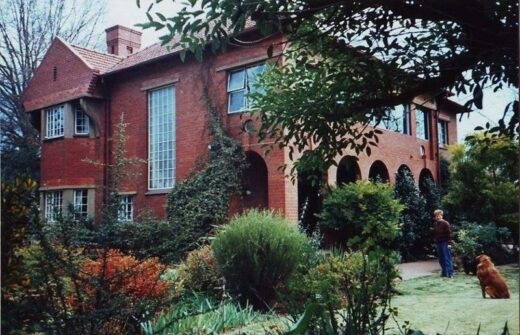
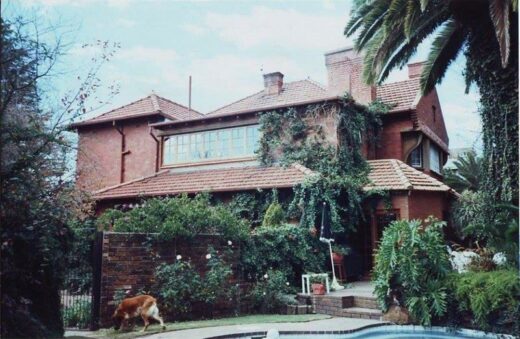
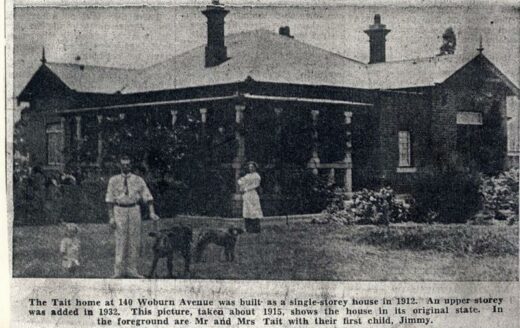
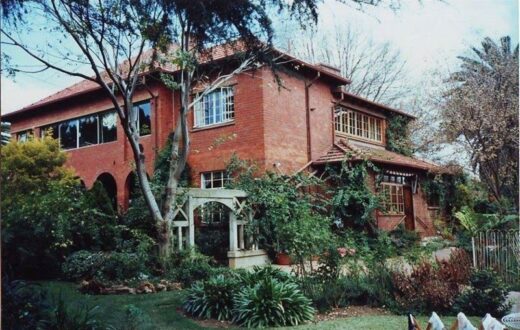
The Taits’ home, on the corner of Woburn Avenue and Russell Street in Western Extension, is one of the finest examples of Edwardian architecture.
Built in 1911, the home was originally a single-storey, designed by Robert Macbeth Robertson, a leading architect of the time.
William named the house Middlemuir after the smallholding where he lived in Scotland.
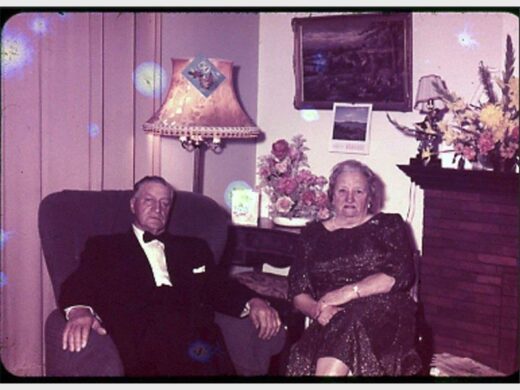
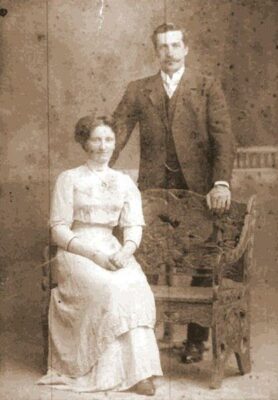
He married Elizabeth Bella Gordon—who had arrived from Scotland by boat—in the Presbyterian Church in Cape Town in 1910.They later travelled up to Benoni and had three children.
ALSO READ: Benoni Bygones: When Henderson’s put its farewell suit on
William built roads throughout Benoni and on nearly every mine on the East Rand. He also worked further afield in the then Eastern Transvaal and continued working until the age of 83.
His most arduous task was the constructing the road between Germiston and Malvern.
In 1922, JB Lawrie approached William about a deposit of fireclay in Boksburg.
The industrialisation of the Rand had barely got underway, but already a firm demand existed for good quality firebricks.
Anticipating continued growth, William established Union Fireclay Brick Works in Boksburg North—a firm that flourished for many years.
Family members recall that William also contributed to the construction of the Benoni Convent Hall and a few houses on Woburn Avenue.
Many Tait family members enjoyed Christmas lunch under the now-famous pin oak tree.
TIn the 1930s, the house was converted into a double-storey, and William and Elizabeth lived there until their deaths, four months apart, in 1967.
The old Tait home forms part of an important group of Victorian and Edwardian buildings to the west of the Benoni CBD.
It later became The Victorian Secret, a bakery and coffee shop known for its Victorian-themed cakes, light meals, and elegant floral décor.
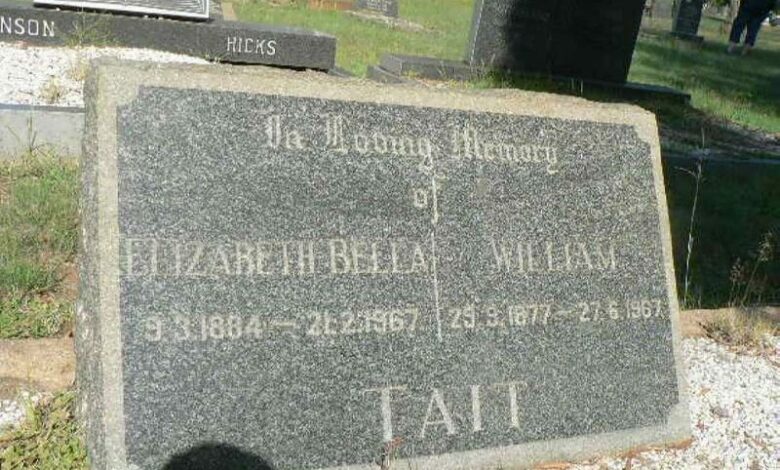
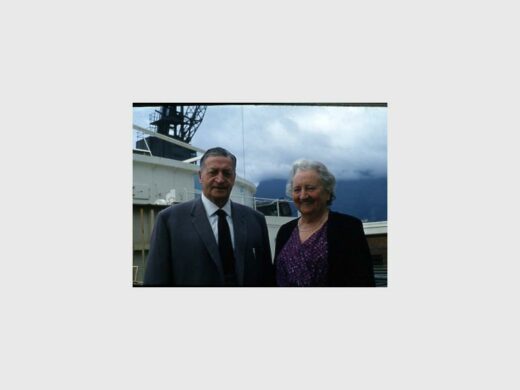
William and Elizabeth are buried in the Rynsoord Cemetery in Benoni.

(Sources: Jane Trumble – granddaughter/BCT dated 1960/NAAIRS/written by Glynis Cox Millett-Clay January 22, 2015/updated June 9, 2025).
ALSO READ: BENONI BYGONES: The Bedford Hotel, established in 1918