Benoni Bygones: ‘Meating’ the demand in the early years of Benoni
The City Times is proud to revive a monthly history piece compiled by local history enthusiast Glynis Cox Millett-Clay, which she has named Benoni Bygones.

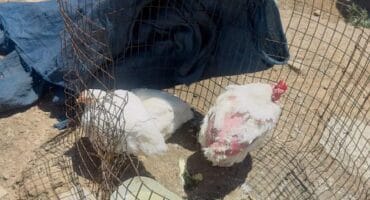
In the early pioneer days of Benoni, the meat supply for the district was slaughtered on surrounding farms.
It was not until 1910 that a makeshift abattoir was erected in the vicinity of the town.
It was better known as a slaughter pole and was located at the north-east side of the pan (Korsman Bird Sanctuary) in Westdene.
This was the property of a firm of butchers and consisted of a wood and iron building with cattle and pig pens surrounding it.
ALSO READ: Benoni Bygones: When Henderson’s put its farewell suit on
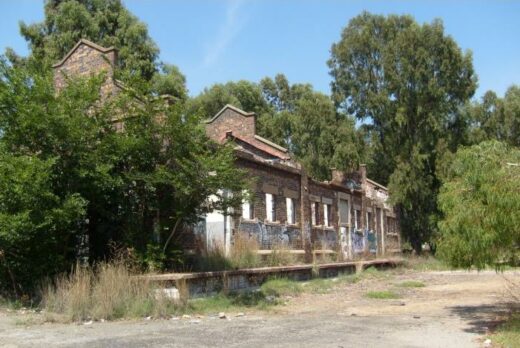
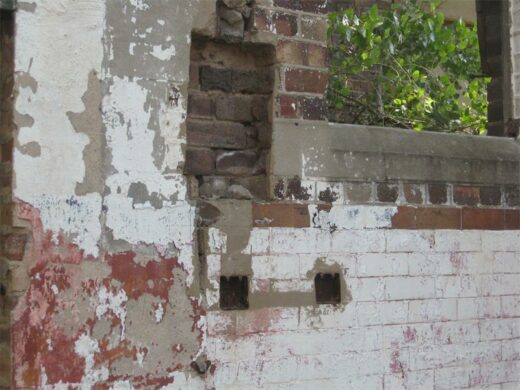
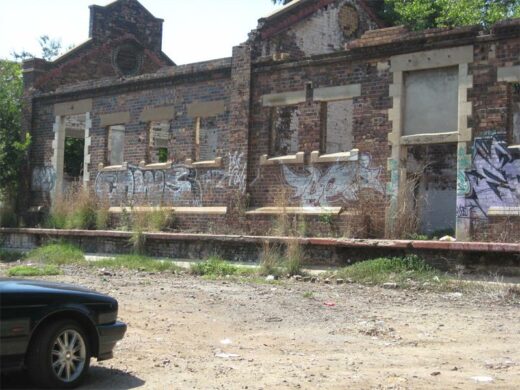
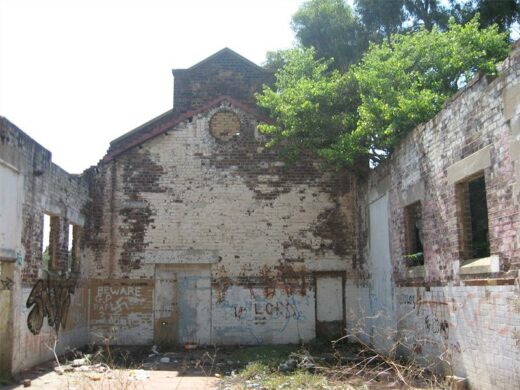
In 1913, the council erected abattoirs in Railway Avenue, at the lower end of Kimbolton Street, where CA Boyce became superintendent.
Regulations were adopted making it compulsory for all meat to be brought to the abattoirs for re-inspection before being offered for sale.
While this was an improvement on the previous conditions and meat was now produced under more hygienic conditions, there was still no definite regulation for the inspection and condemnation of diseased meat.
The growth of the town soon necessitated the enlargement of the abattoir and in 1917 an addition was made to the slaughtering halls.
In 1923, CA Boyce retired as superintendent and was succeeded by HJ Davey, a qualified meat inspector.
In 1930, it was found that the output had increased to such an extent that the abattoirs were greatly congested and it was clear from the superintendent’s reports that extensive alterations would have to be made.
In 1933, effective steps were taken in the matter and the council enlisted the services of Major FS Barnes.
It was decided to abandon the old buildings and erect new abattoirs on a site in the council’s industrial area.
These were completed in 1935 at 16 Lincoln Road, Benoni South, which Davey designed.
Not only meat, but poultry, fish, eggs and at times fruit were also kept in the new abattoirs cold storage.
As more animals were slaughtered locally, it became necessary in the years following World War II, to extend and modernise the buildings, the equipment and plant at the industrial site.
With the closure of abattoirs in two neighbouring towns and because the facilities at Benoni were the most modern on the East Rand, more use was made of the Benoni Abattoir.
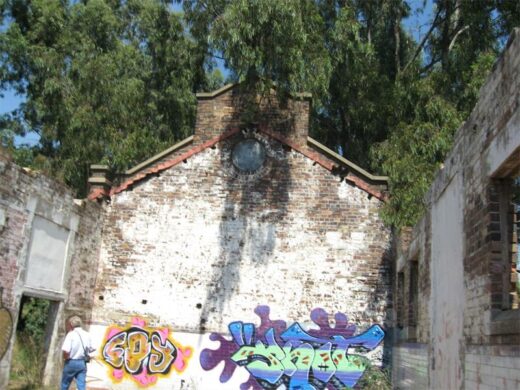
When it became recognised by Livestock and Meat Industries Control Board as a regional abattoir, they had to increase the staff complement with a manager, four meat inspectors and a part-time veterinary officer.
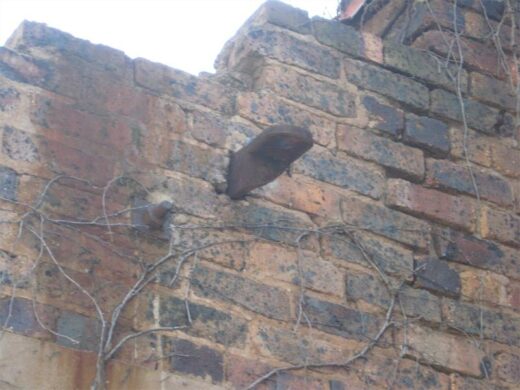
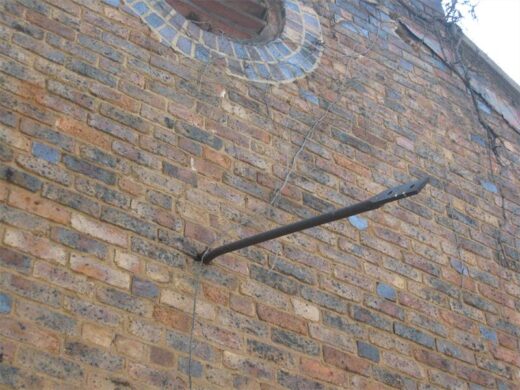
The abandoned building in Railway Avenue was used by the Benoni Amature Boxing Club and the Sea Scout movement for a period.
A few years ago, the ruins of these old buildings were still visible behind the Deneys Conradie Residential Flats.
(Source: History of Benoni (1937), Benoni Son of my Sorrow (1968)/photos: Courtesy Keith Gardner (Benoni History Now &Then admin member)/typed by Glynis Cox Millett-Clay September 17, 2025).
ALSO READ: #BenoniBygones: When farmers made Benoni home