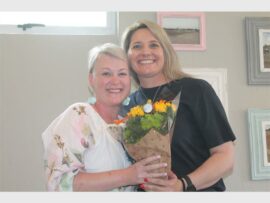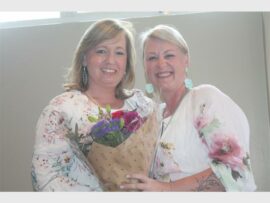
Little Oaks empowers parents, supports CANSA
The event combined learning, support, and networking, with proceeds from ticket sales donated to CANSA, supporting children with cancer.

Little Oaks hosted a Parent Power Hour on November 1.
This is a session designed to equip parents of neurodiverse children with practical tools, resources, and strategies to make parenting easier and more effective.
The event combined learning, support, and networking, with proceeds from ticket sales donated to CANSA, supporting children with cancer.
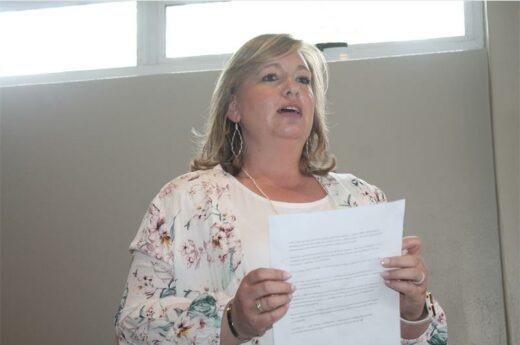
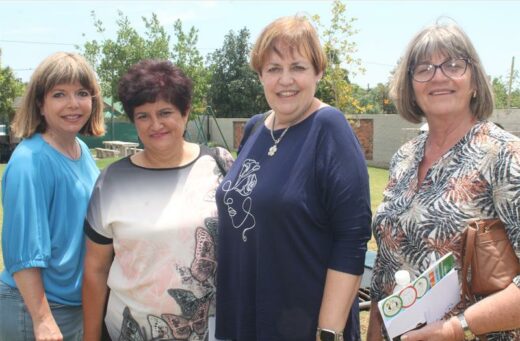
According to Marietjie Roithmayr, a certified life and business coach from Assets Reform, the owner, Leigh Korsman’s choice of charity aligned with the school’s focus on children.
“The purpose of the event was to give back to parents and connect them with resources and options to assist children.
“We wanted to provide tools parents can use at home to help children cope, address behavioural challenges professionally, and encourage growth rather than conflict. We invited experts, including play therapists, occupational therapists, speech therapists, family lawyers, and nutritionists, to equip parents with practical knowledge,” Roithmayr explained.
During the session, Roithmayr emphasised relationship boundaries and proactive parenting. She encouraged parents to pause before reacting, identify triggers for their child’s behaviour, and equip children with skills to avoid those triggers. She also highlighted the importance of clear communication, consistent rules, and structured discipline, particularly around technology use and screen time.
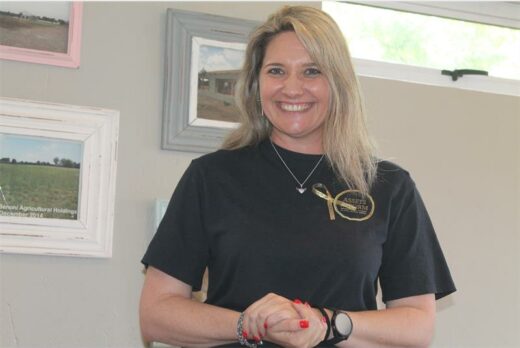
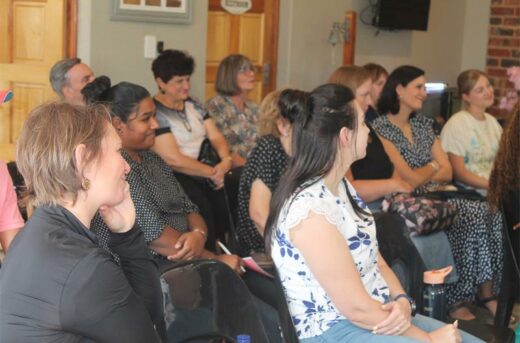
“As a parent, you must decide what is right for your children and what they are exposed to. Instead of letting them sit in front of the TV for hours, children can engage in productive, nurturing, and loving activities that create a healthy balance,” Roithmayr said.
Emily Martin, a counsellor and play therapist from Harmony Counselling, discussed techniques to help children manage overstimulation and emphasised the importance of quality time to strengthen attachment and emotional bonds.
Carol-Lee Alberts, who spoke on breathwork, explained the impact of parental stress on interactions with children.
“When parents react out of pressure or anxiety, it triggers a survival response in the body, leaving little space for connection or compassion. Breathing before responding allows parents to stay calm and regulated. When children see this, they feel safe, enabling meaningful conversation and connection,” Alberts said.
Also Read: What kind of high school is the right fit for your child?
Also Read: Dyslexia: Myths vs facts parents need to know