Reading stats among learners are shocking
Recently released stats indicate that 81% Grade four learners cannot read.
In a time where temperatures are plummeting, warnings of increased load-shedding are rife, interest rates skyrocketing and failing water infrastructure resulting in the outbreak of cholera, good news seems to be in short supply.
The recently released Progress in International Reading Literacy Study (PIRLS), a global study that assesses the literacy rate of Grade Four learners in 42 countries, painted a bleak picture of the country’s literacy.
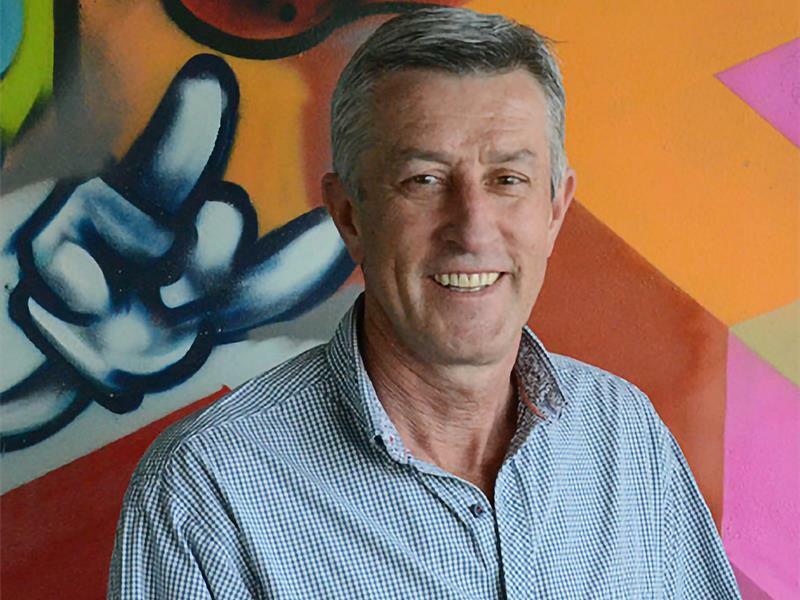
“The test was administered in all 11 official languages, and the results are appalling,” said Paul Esterhuizen, CEO of School-Days.
“In 2021, the study found that 81% of Grade Fours could not read for meaning or answer basic questions on the content they had read, despite the content being in their home language. While the country’s literacy rate has never been good, we have ranked the lowest of all the countries assessed.”
According to Esterhuizen, the study, last conducted in 2016, indicated that 78% of Grade Four learners could not read for meaning, thus indicating that literacy rates have declined by 3% since then.
“Interestingly, test results varied depending on the language. English and Afrikaans scored above the global average while African languages scored lower,” he said.
“English and Afrikaans schools are typically fee-paying schools while African language schools may not be. The worst-performing language was Setswana.”
The results further indicated the Western Cape, Gauteng, and KwaZulu-Natal scored significantly better than Limpopo and North-West.
“How did we get here when the government spends around the same amount relative to GDP on education, equivalent even to some developed countries?” he said.
“The Department of Basic Education (DBE) blames the dismal results on the lost teaching time suffered during the pandemic. That’s a disingenuous response, ignoring that most countries in the study also lost teaching time.”
Esterhuizen said the DBE also blames the reading crisis on overcrowded classrooms and teacher shortages.
“This is ironic since these issues are problems of the department’s own making,” he said.
“Advocacy organisation Equal Education says the PIRLS results confirm a school system in crisis and the failure of government to adequately address the deep cracks that continue to let learners down.”
A statement released by the Equal Education Law Centre said the lack of political will, has undoubtedly contributed to the country consistently being the worst performing of the participating countries.
“The pandemic alone cannot explain the decline in reading outcomes. The ongoing crisis shows how poorly the government and education departments have recognised the multiple challenges in the sector and failed to muster the necessary political will to address them.
“A failure to address the gaps will mean some learners will struggle throughout their school careers and beyond,” the statement read.
Only the Western Cape has announced a catch-up education and teaching programme.
The province implemented a reading strategy to strengthen reading performance across all grades. It has also allocated R118m for a foundation phase reading programme in three languages.
“The fact that 80% of teachers in public or government schools do not have sufficient content knowledge or pedagogical skills does not help South Africa’s dismal educational outcomes,” said Esterhuizen.
“Their proficiency levels are typically less than half of teachers in Zimbabwe.”
It is estimated that more than 70% of public schools do not have libraries, while more than a third do not have books.
“We are failing our youth if we cannot teach them to read for meaning. Those who cannot read may be destined to join the ranks of the unemployed in adulthood,” said Esterhuizen.
ALSO READ: Truth to Power … the book everyone needs to read
ALSO READ: Lions’ books have a new den