
Define meta, but only using sentences and synonyms
Following the naming of my column last week, enquiries streamed in asking what exactly it means (not really, I just needed a dramatic entry line).
But there were one or two questions about the implementation of the definition of the word meta in a column or a sentence, such as this one (see what I did there).
I named my column Pieces of Meta, which of course was not at all applicable to my piece last week, but I thought would have a nice ring to it and describe my favourite style of writing in future endeavours.
Meta in literature, film, music and art is basically when something is referred to by itself or draws attention to its own form.
A meta joke would then be: “An Englishman, an Irishman and a Scotsman walk into a bar. The bartender turns to them, takes one look, and says: ‘What is this, some kind of joke?'”
Another is: “How many members of a certain demographic group does it take to perform a specified task?”
To which the answer is: “A finite number: one to perform the task and the remainder to act in a manner stereotypical of the group in question.”
Meta goes above what is usual, looking in from the outside.
The film 21 Jump Street and its sequel brilliantly refer to their own production as recycling the original series from the 1980s, but this is cunningly disguised as a reference to the case the protagonists have to investigate.
Meta film or literature draws attention to the fact that it is fiction and, however much we become attached to it, it is separate from us and our experience.
A beautiful part of meta is the breaking of the fourth wall.
When reading a comic book or watching a film, there are only three conventional walls, the fourth is clear and we see the characters through it; it separates us from them.
But, every so often, great minds noticed the invisible wall and decided to break it.
The comic book characters Animal Man and Deadpool are known for their encounters with the fourth wall.
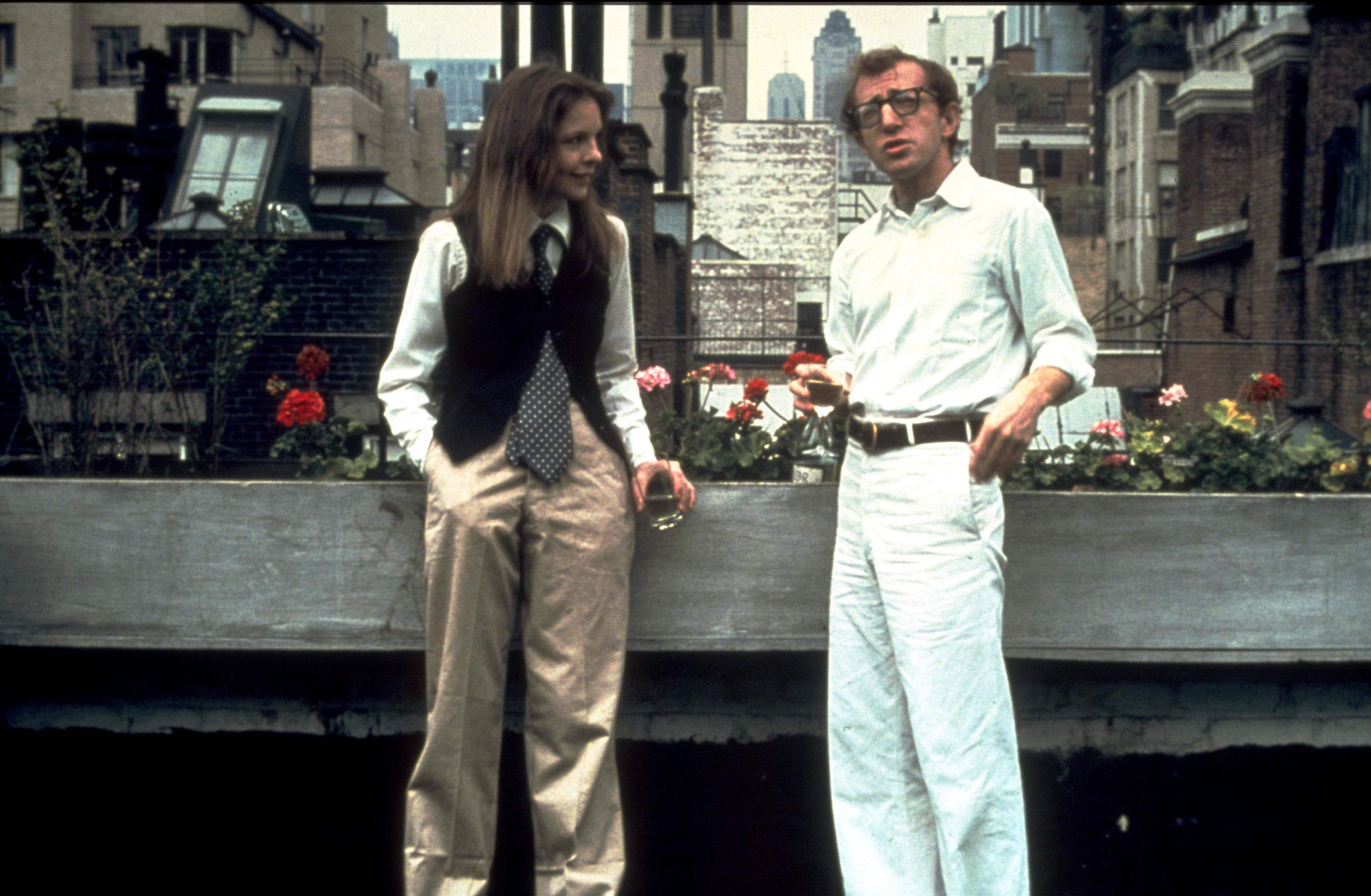
Woody Allen prominently features cracks in the fourth wall in most of his films, with Annie Hall being one of the first films to do so.
Federico Fellini’s Eight-and-a-half was a meta film referring to its own development, during which Fellini had “director’s block” about what the plot should be, which is the premise of the film itself.
While you’re reading this, know that meta would be exemplified by me pointing out that this is a written piece and it is being read by you (refer to line 1).
And I just realised that this blog is already too long, but as it’s getting late now (when I wrote it) I’m not going to edit it or add much more to these 459 words.