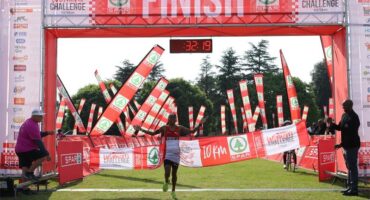
Three ‘tekkie to tar’ nutrition strategies for beginner runners
For some it’s joining the gym, for others it is getting fitter by putting tekkie to tar.

Getting fit(ter) is the one New Year’s resolution that almost always makes it onto the list.
Angela Leach, the head dietitian for Futurelife, said that regardless of your fitness goals, smart nutrition is key to your success.
“We know that elite athletes need to follow stringent dietary guidelines to perform at their best, yet those of us who ‘run for fun’ often pay less attention to our eating habits.”
Angela added that there are some science-based nutrition guidelines that can benefit both ‘week-end warriors’ and those who are looking to get fit through running.
ALSO READ:
Tips and Tricks for Making Relocating Successful and Less Stressful
Don’t skip your pre-run meal
• Choosing what to eat before a run may seem intimidating, especially if you are prone to tummy issues or cramps.
• Don’t let fear tempt you to skip your pre-run meal as it will serve as fuel for your muscles during the workout.
• To prevent discomfort during the run, allow enough time for your tummy to “settle” by eating two hours before your run, and don’t forget to choose the right foods!
• The ideal pre-run meal should consist of low glycemic index (GI) carbohydrates to increase energy stores and allow sustained energy release.
• It should contain some protein but be low in fat. If you are prone to tummy issues during exercise it is also advisable to choose lower fibre options.
Keep hydrated
• Remember to also start your run properly hydrated.
• Fluid intake is very important, dehydration can destroy your performance and enjoyment of the run.
• If you are doing a shorter run (60-90 minutes or less) and have begun the run well-fueled, a small amount of water is all you might need.
• You can use thirst as an indicator of this requirement.
Eat after your run
• After a run you may feel like eating anything and everything you lay your eyes on, but your tired muscles want more!
• The goal when choosing your post-exercise snack should be repairing muscles with protein and replenishing your energy stores with carbohydrates.
ALSO READ:
Safety tips for avoiding accidental poisoning
• When choosing what to eat try to find something that has a good blend of carbs and protein, without much fat if possible. Studies have shown that such a blend is ideal for muscle recovery because it prolongs muscle protein synthesis. This occurs because each protein has a different digestion rate, leading to a prolonged delivery of amino acids. Remember, if you sweated, you lost fluids too.
• Rehydration is very important after exercise.
“You don’t have to be an elite runner to benefit from good nutrition practices. No matter your reason for running, these small tweaks before, during and after a session can help you get the most benefit from your running and make the overall experience more enjoyable too,” Angela concluded.