A first ever in eye health in Africa
International NPO Orbis launched a ground-breaking programme in eye health training at a media conference last week.
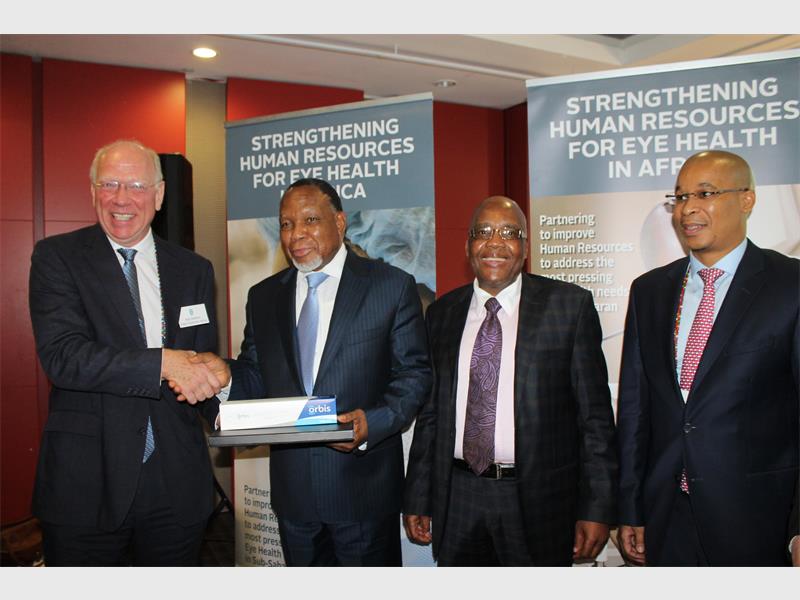
THURSDAY 27 October marked a major milestone in eye health in Africa, as international NPO Orbis launched a ground-breaking programme in eye health training that will create a group of leaders who will turn the tide on blindness and visual impairment on the continent.
Orbis’s pioneering Human Resources for Eye Health Initiative is a first of its kind in Africa and is urgently needed before more children and adults go blind or have their sight affected by conditions that are entirely treatable.
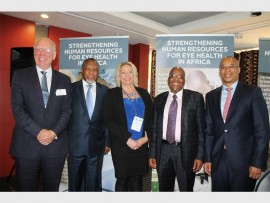
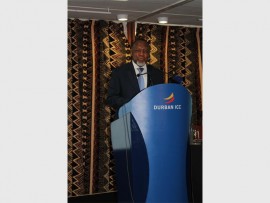
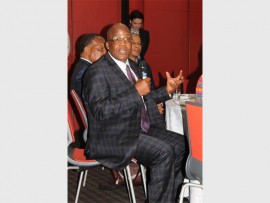
Keynote speaker, former president of South Africa, Kgalema Motlanthe, said of eye health on the continent: “Africa is a unique continent with unique eye care challenges and needs. In fact, Africa carries a large burden of diseases without commensurate resources to respond appropriately. This is despite the rich and targeted contribution that native African medicine has made to modern medicine.”
Since his appointment as ICO (International Council of Ophthalmology) Ambassador for VISION 2020: Sub Saharan Africa in 2014, Motlanthe has helped to raise awareness of the causes of avoidable blindness and the solutions available in the region.
In a nutshell, up to 80 per cent of all blindness and visual impairment is preventable, but it takes the right human resources to stop them in their tracks. That’s why Orbis, together with its partners, sought an innovative solution and today launched the Human Resources for Eye Health Initiative.
The initiative will strengthen a network of African medical schools and affiliated teaching hospitals by providing quality training and infrastructure for better training and service delivery, building an African leadership network to lead the way towards elimination of avoidable blindness and advocating for eye health to become an integral component of participating country’s health systems.
It is a multi-national initiative that will train people to target eye health more vigorously and is unique as it is a long-term approach to develop a strong cohort of African leaders that does not rely on external support and will address the unmet eye health needs in Eastern Central and Southern Africa. This means identifying leaders early on, developing them in that role, and creating programmes that build relationships and capacity.
Medical schools and teaching hospitals in Kenya, Uganda, Rwanda, Malawi, Tanzania and Zambia will benefit from the Orbis led initiative that is being rolled out in partnership with the International Agency for the Prevention of Blindness (IAPB) in Africa and the College of Ophthalmology of Eastern, Central and Southern Africa (COECSA). Implementation partners include South African Private Institution of Higher Education and the Foundation for Professional Development.