High eThekwini consumption boosts water board profit
THE Umngeni Uthukela Water Board received an unqualified report from the office of the Auditor General and remains among the highest performing entities in the country with billions of rands spent in ensuring that KwaZulu-Natal has water. The water entity recorded 31% increase in revenue, mostly from eThekwini bulk water supply.
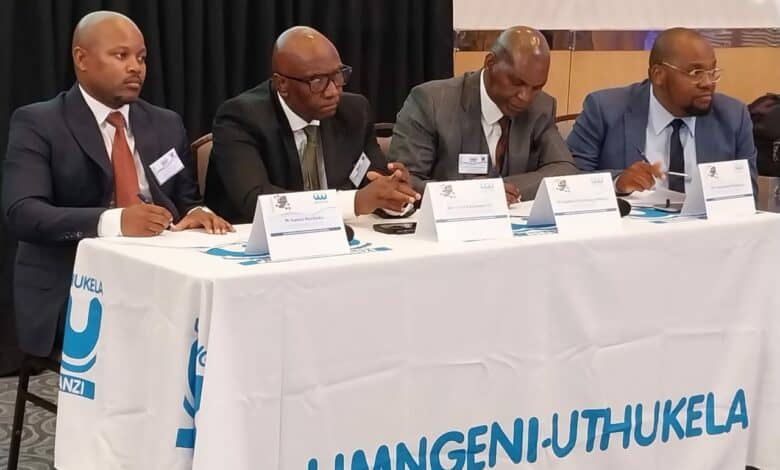
THE Umngeni Uthukela Water Board (UUWB) has reported an increase of 31% in revenue with the eThekwini Municipality being the leading consumer in bulk water buying and waste management from the entity.
Thami Mkhwanazi, UUW group chief financial officer, said high consumption from eThekwini and Msunduzi municipalities recently led to the KZN capital and its only metropolitan implementing curtailment measures. He said the high consumption and the merger between the Umngeni and Uthukela water boards attributed to the rise in profits for the 2023/2024 financial year.
He said, “Our performance led to a positive revenue growth of 31% as a result of the absorption of the north-eastern region, supported by a 9% bulk water tariff increase and 11.8% increase in sale volumes. This is achieved through our consistent ability to provide high-quality product and within stipulated timelines and contracted volumes. The cumulative effect was a surplus of R1.47 billion.
Also Read: ‘Our people need water’ – Xaba
“Bulk water revenue increased by 19%, this is due to the volume increases and an average bulk water tariff increase of 6%. The group’s gross profit increased by 23%, while UUW’s operating profits increased by 15% to R679 million, up from the previous year’s R592m.
Mkhwanazi said the earned surplus for the year will be invested in support of the future five-year R14.4bn capital investment programme. “While our financial position remains strong, we have seen an increase in allowances for credit losses due to municipal customers failing to honour their account payments,” said Mkhwanazi.
The UUWB currently supplies bulk water to eThekwini and processes the city’s wastewater. The relationship between the city and the water entity is regulated by a Bulk Supply Agreement signed in 2005, expiring in March 2025.
“Us managing eThekwini’s waste services contributed to the increase because we have to treat it before it goes into the sea. Cost relating to EWS wastewater contract of R31m also impacted the increase in revenue,” said Mkhwanazi. He added that they initially wanted two years of water curtailment, but the city said they can manage the restriction while working on reducing consumption.
For more from Berea Mail, follow us on Facebook, X and Instagram. You can also check out our videos on our YouTube channel or follow us on TikTok.
Click to subscribe to our newsletter – here