‘Sweeping pace of AI requires rethinking in teaching, learning’
Innovators and academics are on par to integrate traditional methods of teaching and learning with undeniable technological changes brought about by the surging advent of AI in science of learning.
THE University of KwaZulu-Natal (UKZN) recently hosted the third Innovations in the Science of Teaching and Learning Conference, where hundreds of academics, educators, and innovators gathered in Durban.
The goal was to highlight evidence-based research that addresses important concerns, such as how to strengthen academic standards while improving the understanding of Artificial Intelligence (AI) among both staff and students.

The three-day conference rode on the theme, ‘Student Success in the Age of Artificial Intelligence – When Human Potential Meets Artificial Intelligence in the Learning Revolution’. Speakers included researchers, scholars, and practitioners in Higher Education institutions from the continent and beyond.
Conference convener and chairperson Prof Nyna Amin said, “This conference highlighted cutting-edge innovations in AI and educational technology that are reshaping how we support student success, providing a vital platform for collaboration between academics and practitioners.”
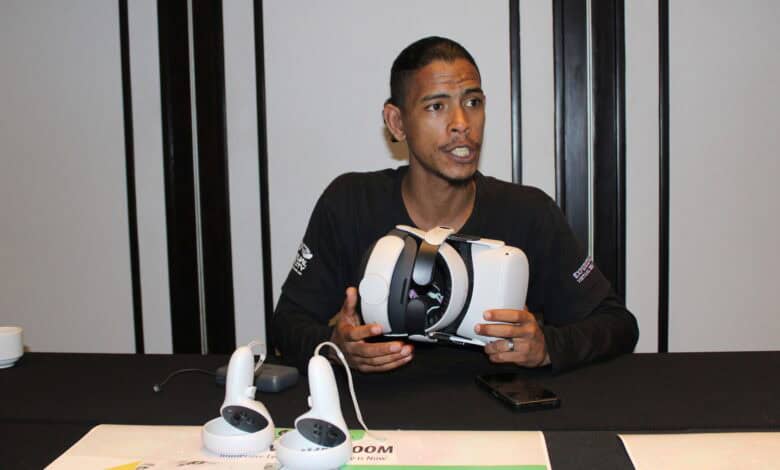
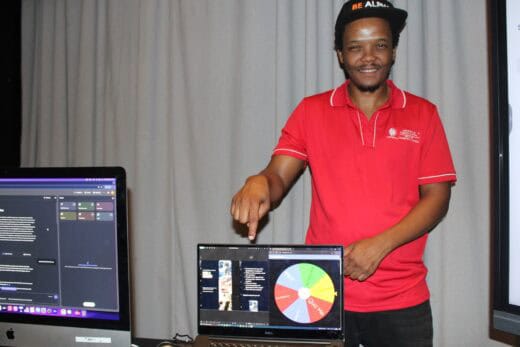
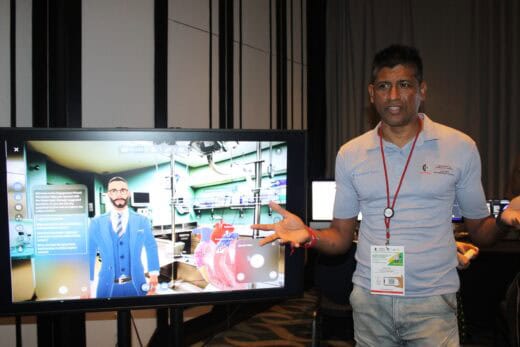
Alongside the main conference, there was an innovation hub where the latest AI and gaming were showcased, all in support of learning and teaching methods. The evidence presented showed how AI has made inroads in the disciplines of education, dentistry, calligraphy, pharmacology, health science, geography, and more.
UKZN’s Prof Thabo Msibi, Deputy Vice-Chancellor: Teaching and Learning, said the conference focuses on how to succeed in the age of AI.
“Innovation and Science present future implications; therefore, we have to take an agile approach. We aim to integrate traditional ways of teaching and learning, without panicking about the advent of AI. We are the drivers of change, and we should get out there and utilise it in order to empower our academics.
“We have no choice, as humans we cannot be stagnant in a world that is uncertain and keeps on changing. AI is not a replacement for human abilities, but it meets students’ needs in real-time. Teaching, training, and learning can be supported by this relentless tide of innovation that seems to accelerate daily, leaving even the best-prepared institutions struggling to keep up,” Msibi added.
He concluded, “The rapid change requires more than adaptation; it requires fundamental thinking of how to teach, how students learn, and how knowledge is created and shared.”
For more from Berea Mail, follow us on Facebook, X and Instagram. You can also check out our videos on our YouTube channel or follow us on TikTok.
Click to subscribe to our newsletter – here