
NIOH warns of mental health crisis in the workplace
Mental health in the workplace has become an urgent concern, according to NIOH, which has flagged healthcare workers and those working in the informal economy as being high risk of being affected.
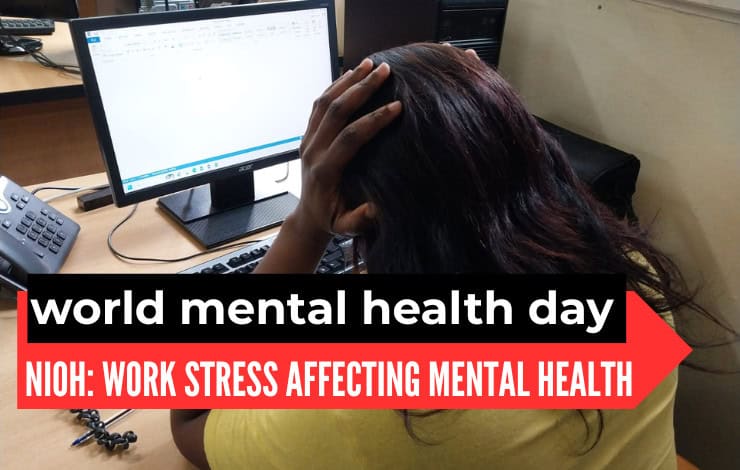
AS we observe World Mental Health Day today, October 10, the National Institute for Occupational Health (NIOH) has raised the alarm about the silent mental health crisis gripping vulnerable workers in South Africa.
According to a study conducted by NIOH, 57.4% of healthcare workers reported significant psychological distress during South Africa’s first Covid-19 wave. The research showed a strong link between high levels of workplace stress — particularly the fear of infection and inadequate protection — and increased psychological strain.

The alarming figure was also confirmed by Professor Nisha Naicker, head of NIOH’s Epidemiology and Surveillance Section, who said: “Healthcare workers frequently operate in high-stress environments and endure significant emotional strain due to constant exposure to illness and death.”

A study focused on over 300 waste pickers revealed that more than one in three (37.3%) suffer from common mental disorders (CMD). “Based on data from 365 participants, the study found that women and cigarette smokers were especially at risk,” said Naicker. “Informal economy workers often lack regulatory health and safety protection. They typically work in hazardous conditions, endure long hours, face discrimination, and have limited or no access to social and financial support systems.”
Also Read: 5 Durban facilities that provide free mental health services
With over 2.5 million South Africans working in the informal economy (according to Stats SA), an estimated 260 000 based in eThekwini, Professor Naicker emphasised that promoting mental well-being is not just a social imperative — it’s also a critical economic and ethical one. The eThekwini Municipality estimates that R55b is generated by the City’s informal economy that includes street vendors and spaza shops. Naicker said poor mental health in the workplace is linked to reduced productivity, and higher staff turnover.

Factors influencing mental health at work include job demands, work-life balance, organisational culture, leadership style, discrimination, social support, bullying, harassment, job insecurity, unclear roles, poor conditions, and limited access to mental health resources. The NIOH is calling for proactive mental health interventions — including workplace awareness campaigns, training for managers, employee assistance programmes, and policy integration — especially in sectors where workers remain unprotected and under-supported.
“Stigma remains a significant barrier to many employees seeking help. Prioritising the mental well-being of workers is not only an ethical responsibility but also essential for organisational sustainability,” said Naicker.
For more from Berea Mail, follow us on Facebook, X and Instagram. You can also check out our videos on our YouTube channel or follow us on TikTok.
Click to subscribe to our newsletter – here