
How to protect your mental health on social media
Social media is lauded for changing the world for the better, but not without the glaring negative impact on mental health.

THE wave of social media use has seen a surge in recent years, forcing consumers to either ride the wave or drown.
The retail industry would be among those that are comfortably riding the wave, as numbers indicate increased consumer response, translating to growth in profit.
Another positive spin is improved, informed communication, and building meaningful relationships.
On the flip side, social media use has contributed immensely to depression and loss of self-esteem. Users may feel inadequate or useless after witnessing real or unrealistic achievements on platforms.
Mental health experts warn against the overuse of social media platforms, as it may overwhelm users. Narcotics are not the only addiction to be on the lookout for.
Also read: Good habits start early in the social media generation
According to Addiction Rehab, “Social media, with its promises of connection and endless entertainment, has indeed wound its web around our daily lives. But when does this connectivity morph into dependency? When do ‘likes’, shares, and comments turn into a source of validation that you begin to crave incessantly? This is where we need to pause and think: Is social media addiction the new epidemic?
“It’s not just about the time spent. The effects of this social media obsession are seeping into our mental health. Anxiety, depression, negative body image, and poor sleep quality are linked to heavy social media use.”

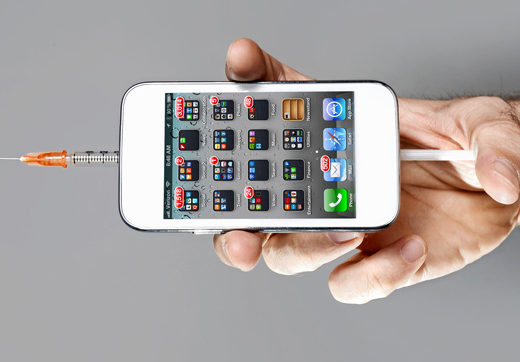
Durban-based wellness counsellor Hasinah Razak concurs. “We live in a world where staying ‘connected’ has never been easier, yet more and more people are struggling with loneliness, low self-esteem, and mental fatigue. While social media can be a great tool for communication and self-expression, excessive use can quietly damage our mental health if we’re not careful,” Razak warned.
Also read: Five dangers of glamourising mental health on social media
The toll on mental health due to endless scrolling has been evident in her counselling sessions.
“In my counselling sessions, I often hear: I feel like everyone else is doing better than me. I can’t stop comparing myself to what I see online. I feel anxious when I don’t check my phone. I go online for a break, but I end up feeling worse.”
These are not isolated thoughts, she said, “They reflect a growing trend of emotional exhaustion linked to the constant pressure of being online and visible. Excessive social media use has been associated with anxiety and depression, especially in teens and young adults; disrupted sleep patterns due to late-night scrolling; low self-worth, driven by comparison and unrealistic standards; decreased real-life social interaction; addictive behaviours, including checking notifications compulsively.”
Razak shares tips on how to use social media wisely:
• Set daily limits – Even reducing your usage by 30 minutes can make a difference.
• Take tech breaks – Give your mind space to breathe.
• Unfollow, mute, curate – Follow accounts that make you feel inspired, not inferior. Don’t hesitate to cut those that trigger anxiety or self-doubt.
• Avoid morning and night scrolling – Try not to start or end your day with your phone; mornings and evenings are powerful moments for reflection, calm, and real connection with yourself or loved ones.
• Engage with intention – instead of mindless scrolling, use social media mindfully.
Razak concluded, “And if you’re finding it hard to manage your digital habits or your mental health is suffering, don’t hesitate to reach out for support. Sometimes a simple conversation can make a world of difference.
Razak can reached via hasinahrazak@gmail.com or 083 783 8240.
For more from Berea Mail, follow us on Facebook, X and Instagram. You can also check out our videos on our YouTube channel or follow us on TikTok.
Click to subscribe to our newsletter – here