
Durban family share insight into Chinese New Year celebrations
Anqi ‘Angela’ Song speaks to Caxton Durban about some of the traditions celebrated during Lunar New Year.

HUNDREDS of millions of people across Asia and the world celebrate the Chinese New Year or the Lunar New Year on Wednesday (January 29).
The roughly two-week long festival is also a time for family, reunion, and traditions that include both food and gifts.
The Chinese New Year, which is associated with an animal in the Chinese zodiac, also revolves around a 12-year cycle.
This year marks the Year of the Snake, explained Durban North resident Anqi ‘Angela’ Song.
Angela and her family gave some insight into some of the traditions and celebrations that will take place over the next few days.
“Some traditions vary between the northern and southern parts of China but there are also similarities. In China today is a public holiday and you’ll find many Chinese-owned stores in Durban and South Africa will be closed. Something that we do in the days leading up to the New Year’s is cleaning our homes. It symbolises getting rid of bad energy as well as signifying a fresh start,” she said.
Also read: Year of the Rabbit: Interesting facts about the Chinese and Lunar New Year
She also shared some of the traditions that are important over the next few days.
1. Gifting red envelopes
A cherished tradition among the Lunar New Year celebrations is the gifting of red envelopes, known as hongbao in Mandarin.
“The envelopes contain money and it is traditionally given to our children or young people in your family. This goes on until you reach puberty and it is also sometimes given to your grandparents when you are older. The red colour is significant as well, as it symbolises prosperity and good fortune.”

2. Eating certain types of food
Certain dishes during Chinese New Year celebrations also hold significance, including fish, dumplings and noodles.
“The different types of food hold meaning; for example one of the dishes we eat is fish, which is associated with surplus. We never eat the head or the tail of the fish during the celebrations. That has to be left over. Fish is tradition in the south while in the north dumplings and noodles are favoured. A dessert we also eat during the celebrations is Tangyuan, which symbolises togetherness. They are rice shaped into balls that are served in a hot broth or syrup,” she said.

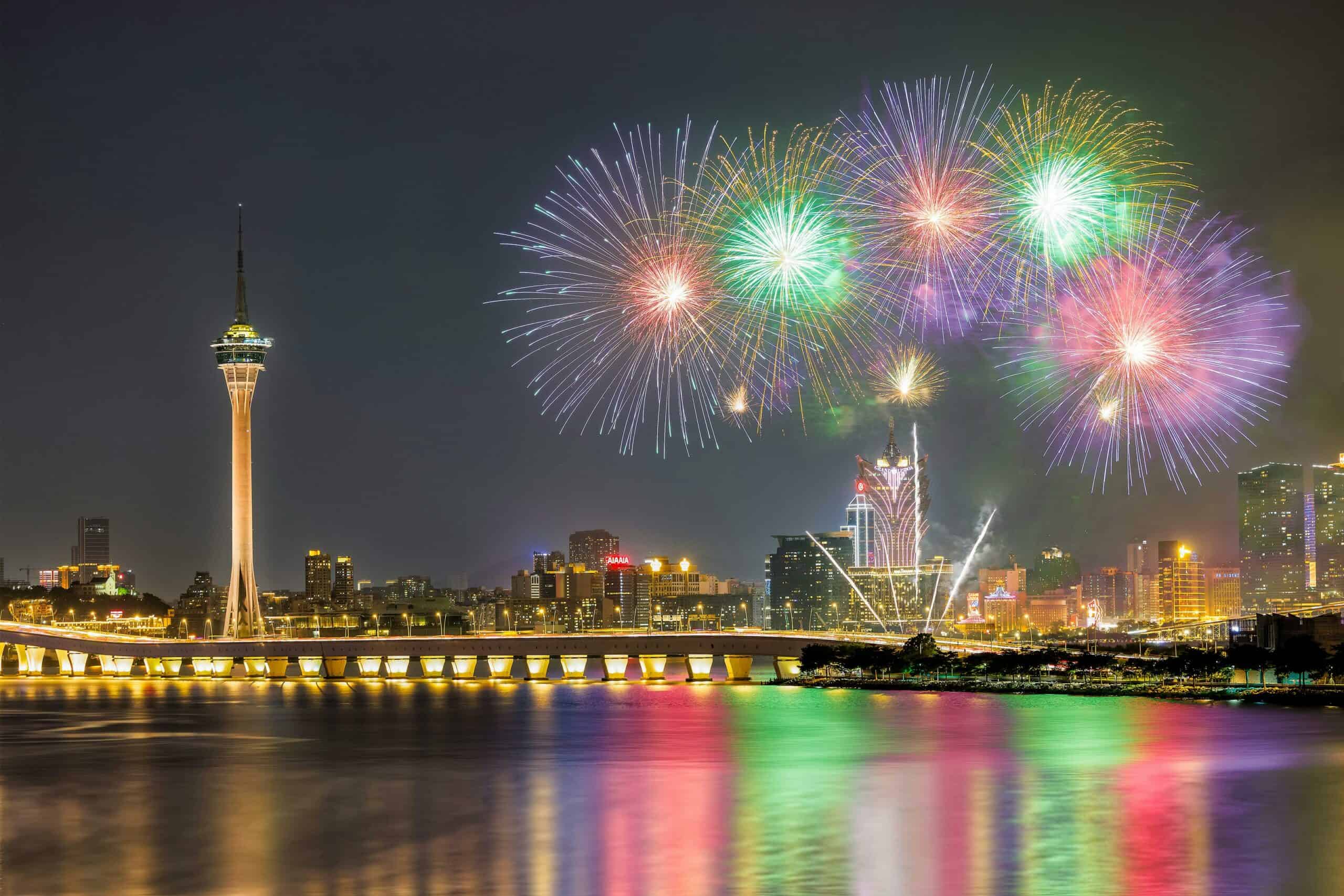
3. Bursting Fireworks
Another significant aspect to celebrations is fireworks.
“There is a mythical creature called Nian who would attack villagers before New Year’s Eve. And the people discovered that by wearing items of clothing that are red and burning fireworks, that would scare the monster away. During this time many families set off fireworks as a way to celebrate and welcome the new year,” she said.
For more from Berea Mail, follow us on Facebook, X and Instagram. You can also check out our videos on our YouTube channel or follow us on TikTok.
Click to subscribe to our newsletter – here