
New research projects launched to tackle microplastics in KZN
World Ocean Day celebrations highlighted the vital link between healthy catchments, thriving oceans and a sustainable Blue Economy.
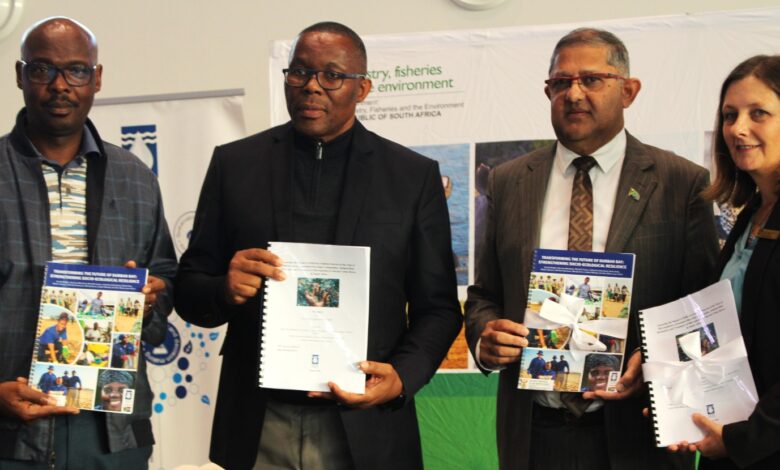
PLASTIC and pollution took centre stage at the World Ocean Day commemoration in eThekwini on Monday (June 8) where Deputy Minister of Forestry, Fisheries and the Environment, Narend Singh, threw a challenge out to a room of academics, environmentalists, and scientists to find alternatives to plastic.
The celebrations, which were held at the Nelson Mandela Passenger Terminal, were attended by Water Research Commission (WRC) CEO Dr Jennifer Molwantwa, eThekwini Municipality Mayor Cyril Xaba, Ezemvelo KZN Wildlife, Transnet National Ports Authority, WILDTRUST, universities, research institutions and environmental practitioners.
The commemoration saw the launch of two WRC-funded research projects aimed at strengthening socio-ecological resilience and tackling microplastic pollution in KZN and the Eastern Cape. The projects focused on assessing the environmental challenges facing Durban Bay and understanding the impact of microplastics and associated pollutants entering river systems before ultimately reaching the ocean.
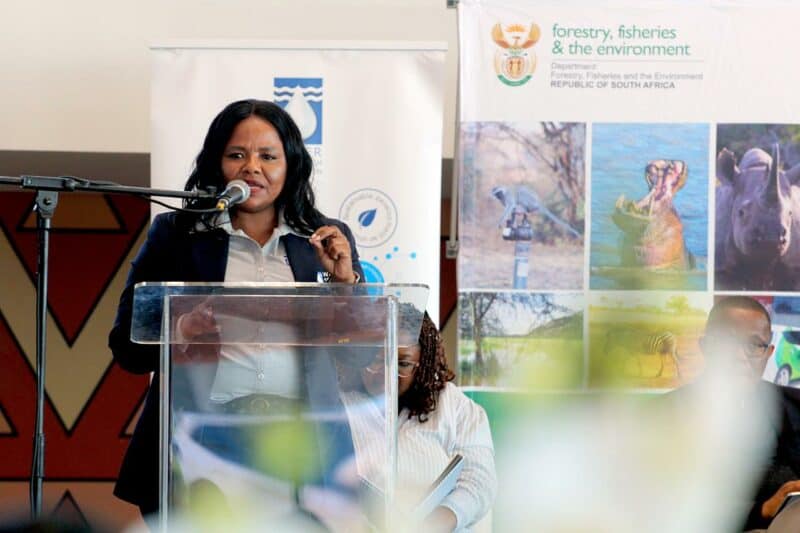
Molwantwa, who was among the guest speakers, said, “Through these research projects, we are generating the scientific evidence needed to better understand how activities in our catchments and rivers ultimately affect our marine ecosystems, communities and economy.”
Also Read: Maritime indaba to unlock Durban’s ocean economy
She said protecting oceans starts with protecting rivers and catchments. Dedicating the WRC, Molwantwa said, “The Water Research Commission remains committed to advancing knowledge that informs practical solutions for a more resilient and sustainable future.”
This was welcomed by Singh who emphasised the importance of healthy oceans beginning with healthy rivers and catchments.
“This is where you come in as scientists. How many products can you have without using plastic?” asked Singh. “We do not have to use plastic in everything, we need to find out how to do that. Our people are being exposed to serious pollution. Removing plastic is expensive but a necessary route.”
This was echoed by other stakeholders who further highlighted the importance of co-ordinated action to combat plastic pollution, protect biodiversity and unlock opportunities within South Africa’s Blue Economy.
For more from Berea Mail, follow us on Facebook, X and Instagram. You can also check out our videos on our YouTube channel or follow us on TikTok.
Click to subscribe to our newsletter – here