
Think you can’t donate blood? You probably can
Most people can give blood - are you one of them? This Blood Donor Month, Affinity Health clears up common myths that stop South Africans from donating. The truth? If you’re healthy, you’re probably eligible, and your donation could save up to three lives.
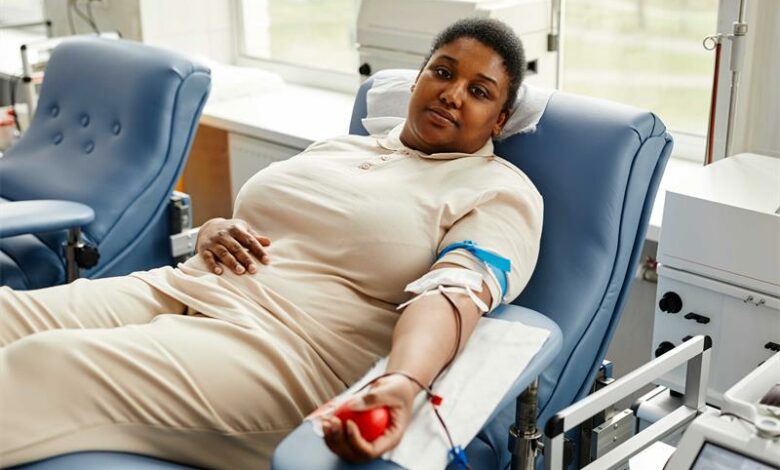
Think you can’t donate blood? Think again.
Many people rule themselves out as blood donors based on myths, but the truth is that most healthy adults can donate safely.
This June, in honour of National Blood Donor Month, Affinity Health, a leading provider of affordable health coverage, is clearing up some of the most common misconceptions about blood donation.
According to the South African National Blood Service (SANBS), fewer than 1% of South Africans are active donors. Yet one unit of donated blood can save up to three lives. Blood is essential for emergencies, trauma, surgeries, cancer treatment, chronic illnesses and childbirth complications.
“There are so many myths that keep people from donating,” said Murray Hewlett, the CEO of Affinity Health.
“People think they’re too old, too thin or disqualified because they take chronic meds. But if you’re in good health, chances are you’re eligible.”
Also Read: Calling new blood donors to save lives
Busted: common blood donation myths
Myth: You can’t donate if you have tattoos or piercings.
Fact: You can, after three months. As long as the tattoo or piercing was done with sterile equipment and healed properly, you’re good to go.
Myth: You’re too old to donate.
Fact: You can donate between the ages of 16 and 75 if you weigh more than 50kg. First-time donors must be under 65, but regular donors can continue with medical clearance.
Myth: Chronic medication rules you out.
Fact: Many on treatment for conditions like high blood pressure, asthma or depression can donate. It depends on your overall health and medication. Always check with the SANBS or your doctor.
Myth: It’s painful and time-consuming.
Fact: The actual donation takes about 10 minutes. The entire process, including registration and recovery, takes 30 to 40 minutes. Most people describe it as feeling like a quick pinch.
Myth: Only rare blood types are needed.
Fact: All blood types are vital. O-negative is universal, but A, B and AB are as crucial for matching specific patients.
Despite these facts, donation rates remain low, especially among younger people. Cultural beliefs, fear of needles, and lack of access contribute to the reluctance. Meanwhile, hospitals face daily shortages due to car crashes, violent crime and childbirth complications.
Not sure if you’re eligible? The SANBS website has a quick online quiz. You can also ask your GP or visit a nearby clinic. Blood drives are regularly hosted at shopping malls, schools and workplaces, making it easier than ever to donate.
Donating blood is one of the simplest, most effective ways to save a life, and chances are, you can do it. Whether you’re donating for the first time or are a long-time donor, your contribution matters.
Affinity Health’s Day-to-Day Plan gives members access to healthcare professionals who can advise on your eligibility, help manage chronic conditions and keep your health on track before and after donating.
Also Read: Roll up your sleeve at these mobile blood drives