
Government’s anti-drug drive sees addicts lining up for help in Reiger Park
Gauteng’s Tswa Daar Anti-Substance Campaign kicks off in Reiger Park, providing rehab, medical support, and skills programs for youth and families affected by drug abuse.
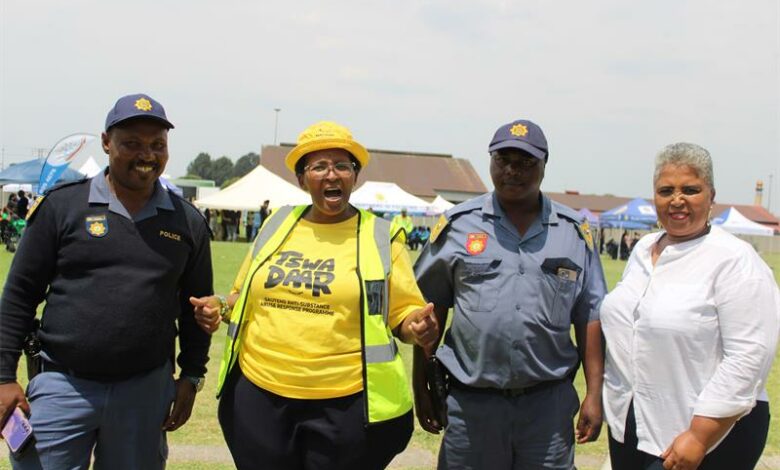
Reiger Park became the focal point in Gauteng’s fight against substance abuse on October 27, as the provincial government officially launched the Tswa Daar: Phuma Lapho Anti-Substance Abuse Campaign at the WJ Clement Stadium.
Led by the Department of Social Development, the province-wide initiative seeks to address the harmful effects of drug abuse on young people, families and communities.
The campaign offers mobile medical assessments, immediate referrals for rehabilitation, skills development programmes and assistance with essential documentation, including ID applications.
The launch was attended by Gauteng MEC Faith Mazibuko, local councillors, SAPS and EMPD officials, and a range of community stakeholders.
According to Teddy Gomba, the MEC’s spokesperson, 24 sites across the province have been identified for a mass admission programme to ensure that substance users ready for treatment can access rehabilitation immediately.
“The purpose of this programme is to heighten awareness and mobilise every stakeholder in the fight against substance abuse. Here today, various government departments, including health, home affairs, labour, SAPS and EMPD, are offering services to those affected,” Gomba said.
He explained that individuals assessed and ready for treatment would be transported to rehabilitation centres throughout Gauteng. Those returning from rehab would also have access to skills development and job profiling programmes to help them rebuild their lives and reintegrate into society.
Although there was no set target for attendance, Gomba said officials were pleased with the turnout. “Young people are here seeking help. They have reached a stage where they say: ‘I’m tired. I need help.’ We are happy and ready to help them,” he said.
Also Read: Reiger Park SAPS cracks down on drugs, drunk driving
Personal stories highlight the campaign
For some participants, the journey toward recovery is deeply personal. One of the most poignant stories came from 34-year-old mother of four, Karin Theron, who has struggled with drug use for over 20 years.
Theron shared the pain of losing two babies due to her addiction and the impact it has had on her remaining children, aged 20, 14, three and two. “I’m not doing this for anyone else. I’m doing it for me, so I can be a better mother. I don’t want this life anymore. My children deserve a mother who is present, healthy and strong.”
She described the moment she decided to seek help as a turning point. For years, she had felt trapped in a cycle of addiction and despair. She believes the campaign will give her a chance to start anew, access medical assessments and register for rehabilitation.
“When I come back, this life will be behind me,” she said tearfully. “I want to be the person my children can look up to. I want to live, really live, for the first time in decades.”
The South African National Council on Alcoholism and Drug Dependence (Sanca) Boksburg confirmed that 320 people signed up for help on the day, reflecting strong community willingness to break the cycle of addiction.
Gomba emphasised that the DSD encourages anyone struggling with substance abuse to come forward. He noted that the campaign’s holistic approach, combining awareness, medical and rehabilitative services, and skills development opportunities, is designed not only to treat addiction but also to restore hope and dignity to affected individuals and their families.


Also Read: Legal drugs can be a slippery slope