
#WILLSWEEK: Any day is a good day to draft a Will
The drafting of free Wills at MRR is not limited to Wills week and all requests will be accommodated.
September 14 to 18 is National Wills Week, giving South Africans the opportunity to have their last will professionally drafted by attorneys at no cost.
A valid Will is vital to ensure your last wishes are honoured and that provisions for your loved ones benefit them, making a tangible difference when you’re no longer here.
Your lasting legacy could also impact lives outside your circle by making provision in your estate plan for charitable bequests.
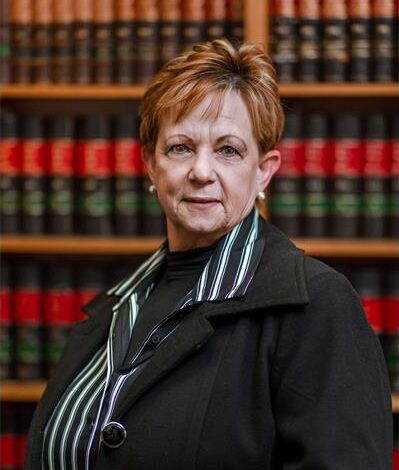
Jenny Venter, head of estate administration at Malherbe Rigg & Ranwell Attorneys (MRR), Beyers Park, emphasises the importance of regularly revisiting your estate planning.
She added that the practice’s Will drafting services are not limited to Wills Week, and that free Will drafting is available year-round.
“Reviewing your Will is not only about taking into consideration how your estate will provide for your loved ones but how your legacy will be preserved through your support of a charitable organisation,” said Venter.
“South African law allows you to include a charitable organisation as a beneficiary in your Will. You may leave a specific cash amount, an asset, a percentage of your estate or a share of the residue of your estate.”
Charitable bequests
When including a charitable bequest in your Will, clearly and correctly identify the organisation.
You should obtain:
• The organisation’s full registered or legal name.
• Registration number, such as its Non-Profit Organisation (NPO) or Non-Profit Company (NPC) number.
• The registered or principal address.
• Confirmation of its Public Benefit Organisation (PBO) status.
Verify this information before the Will is signed, particularly where an organisation operates under a name that differs from its registered legal name.
NPO, NPC and PBO, what is the difference?
“An organisation may be registered as an NPO or NPC, but this does not automatically mean that it is a PBO, approved by SARS. The distinction is important for Estate Duty purposes,” said Venter.
“Under section 4(h) of the Estate Duty Act 45 of 1955, a bequest to a qualifying public benefit organisation may qualify for a deduction when determining the dutiable amount of a deceased estate; the organisation’s status should therefore be confirmed rather than assumed.”
Ensuring a well-drafted Will
Venter continues that a charitable bequest should be clearly expressed and the beneficiary sufficiently identified.
“Make sure you have a valid, correctly worded and signed Will. This will ensure that the estate is correctly administered in terms of the Will and the Master of the High Court controls the administration of estates and ensures that all bequests are paid,” she explained.
Including a charitable organisation in your Will is a meaningful way to continue supporting a cause that is important to you even after death.
If you would like to include a charity in your Will, discuss your wishes with a suitably qualified legal practitioner to ensure that your wishes are properly and clearly incorporated.
Other information required when drafting a Will:
• The clients’ identity documents.
• Information regarding the nominated beneficiaries, including their full names, surnames, ID numbers or dates of birth.
• Clear, practical and legally executable wishes regarding the distribution of an estate.
For more information or to set up an appointment, call Riana Briedenhann or Mpho Tsiyane on 011 918 4116.
ALSO READ: Words matter when drawing up your will
ALSO READ: Why you need a will