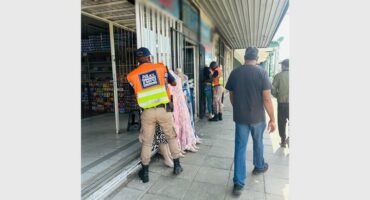
Beware of police imposters
Elmarie Twilley, spokesperson for Afrikaans insurance company Virseker, urged South Africans to be vigilant about ascertaining the identity of police officials.

“Before getting out of your vehicle, or allowing a police officer into your home, ask them to identify themselves by presenting their appointment card,” she said.
“Every police official must carry an appointment card at all times, including plain clothes detectives.”
“An official SAPS appointment card includes the officer’s picture, name, rank, force and station.
“If the police official refuses to identify him or herself by showing their appointment card, you can then request to speak or be approached by the official’s supervisor or commander.”
Twilley believes that citizens also need to move past the misconception of the ‘badge’ as an official form of identity.
“The SAPS strictly uses these appointment cards, so don’t be lulled into complacency by the flash of a badge,” she said.
“These can also be easily faked.”
Virseker also provided a few more tips to keep in mind if you are pulled over on the road:
- There is unfortunately no easy way to tell a cloned police car from the real thing, so err on the side of caution and don’t risk pulling over in a dark or isolated place.
- If a police vehicle indicates for you to pull over in a quiet or unsafe place, rather put on your emergency lights and drive slowly (40km/h) to the nearest police station.
- Ensure that you have your driver’s licence on you whenever you are behind the wheel.
- Be calm and avoid aggressive behaviour.
- If stopped by a police officer, notify a friend or family member, and read them the registration number on the police car.
- Try recording the conversation you have with the police officer on your cellphone.
- A male police officer is not allowed to search a woman, but he can ask you to empty your pockets and bag.
- The SAPS are empowered to search your car without a warrant if they have reasonable suspicion, but you can ask them what cause for their suspicion is before giving consent.
- Ask your insurance company if they offer emergency roadside assistance, so you’re never left on your own on the side of the road.
ALSO READ: WHAT TO DO IF YOU ARE IN AN ACCIDENT