
The three kinds of distressed sale properties and how to navigate them
RE/MAX Southern Africa shares tips for buying repossessed properties.
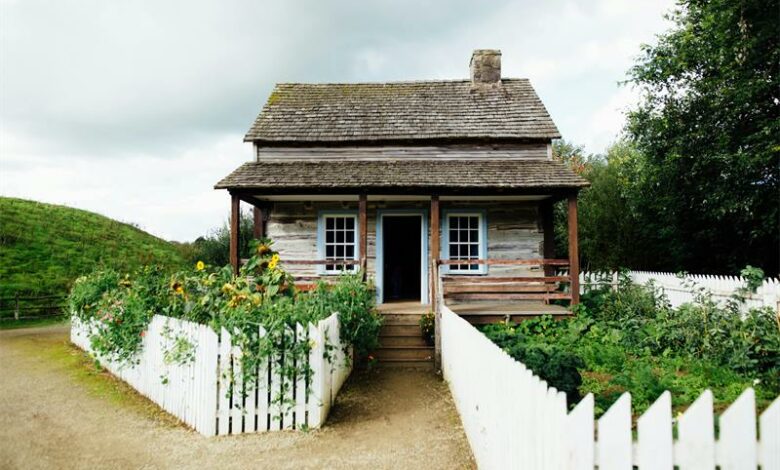
Purchasing a repossessed home can be an attractive option for those looking for a bargain and willing to take on a bit of risk.
These properties form part of the wider category known as distressed property sales. In distressed property sales, buyers have three main types to consider: bank-mandated sales, sales in execution or public auctions, and properties in possession. Each option offers its own set of advantages, risks, and associated costs.
“RE/MAX agents who specialise in distressed sales are known as certified distressed property advisors. They are trained to deal with these delicate and highly emotionally charged transactions and are well placed to help.
“If you are considering purchasing a repossessed property, reach out to your nearest RE/MAX office for support,” says Adrian Goslett, regional director and CEO of RE/MAX Southern Africa.
For those considering such sales, RE/MAX Southern Africa gives a breakdown of what you can expect in each scenario.
Bank-mandated sales
In a bank-mandated sale, which is voluntary, the process is more transparent. Both the seller and the buyer complete and sign a property condition report, ensuring all parties are fully aware of the state of the property.
The seller is also responsible for settling any arrears on rates, electricity, water, and levy accounts. However, buyers should be aware that the seller may reject offers and that these sales are often concluded on a ‘voetstoots’ basis, meaning the property is ‘sold as is’.
Buyers may choose to conduct their own property inspection, and may only do renovations after the transfer has been registered.
Auction sales
A sale in execution or public auction, which is an involuntary process, often allows buyers to secure a property at below-market value without having to pay transfer duty. Despite this, the risks are greater.
Properties are frequently sold voetstoots without the opportunity for inspection, and buyers may be liable for arrears, inherit outstanding legal issues, or face delays in gaining access. In some cases, they may also need to evict existing occupants.
Costs in this type of sale can be substantial, including an upfront deposit with the balance payable within 21 to 30 days, a sheriff’s fee or commission of between six and 10% of the purchase price plus VAT, auction registration fees of around R25 000 (refundable if the buyer does not purchase), and any outstanding rates and utilities. Additional expenses may also arise from eviction proceedings and renovations.
Repossessed homes
Properties in possession, also referred to as repossessed properties, are usually available at below-market value and come with the benefit of no transfer duty.
However, these are typically sold voetstoots, often without the chance for inspection. Buyers may find themselves liable for arrears, legal disputes, or delayed access, and could be required to evict current occupants.
The associated costs can include conveyancing fees, outstanding rates, levies, utilities, and the expenses of eviction and renovation.
“With all the unknowns and uncertainties, it is incredibly important to do your homework before making an offer on such property sales. Equally, working through a reputable professional who can guide you through the process is essential,” Goslett concludes.