After years of issues, Stoffberg subway gets lasting fix
The road is open again after rehabilitation work tackled the hidden stormwater failures responsible for repeated flooding, road damage and unsafe driving conditions.
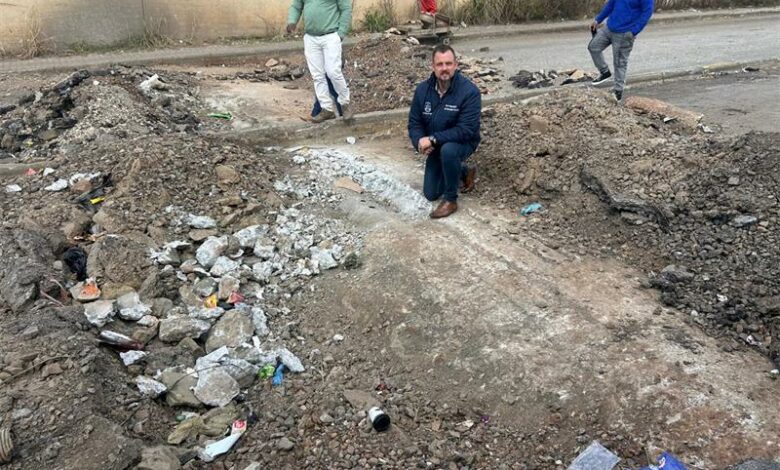
Rehabilitation work at the Stoffberg subway has been completed, restoring the drainage infrastructure, repairing the damaged road surface and improving conditions for motorists and pedestrians.
During a recent site inspection, Brakpan 97 Ward Clr Brandon Pretorius confirmed that all drainage and stormwater systems have been fully restored.
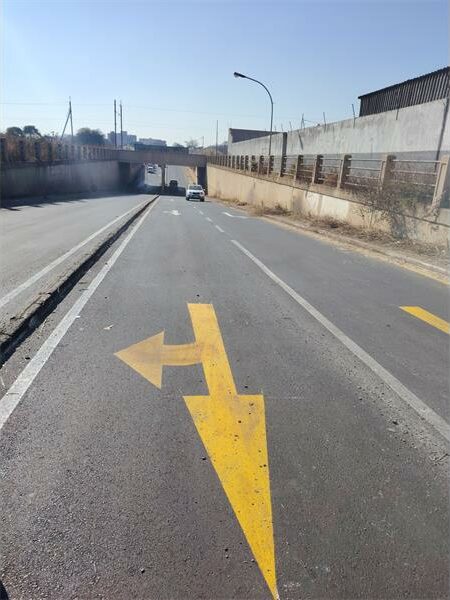
There are also fresh road markings on the road.
The subway, however, remains in need of some maintenance, as weeds and other overgrown vegetation have taken over the surrounding pavements and area, creating an unsightly appearance.
Investigations earlier this year established that the problems at the subway were not limited to surface deterioration, but were caused by failure of the underlying stormwater infrastructure.
The subway has experienced recurring flooding over many years, with hopes now that the completed repairs will bring a lasting solution.
The rehabilitation work was aimed at restoring proper drainage and reducing risks to both motorists and pedestrians.
In addition to flooding hazards during the rainy season, the roadway had deteriorated significantly over time, with erosion and potholes contributing to unsafe driving conditions.
ALSO CHECK: Stormwater canal clearing kicks off at Stoffberg subway
As previously reported, preliminary assessments conducted in January found that a concrete stormwater canal adjacent to the railway line had severely deteriorated and may have partially collapsed.
As a result, stormwater infiltrated the surrounding soil, became trapped, and was forced upward through the pavement layers to the road surface.
It was also determined that the weep holes, designed to relieve hydrostatic pressure behind the retaining wall, were no longer functional.
Successive resurfacing over time had raised the road level and effectively sealed these outlets, allowing pressure to build up behind the structure and accelerating damage to the roadway.