


How it will be funded is still unclear.
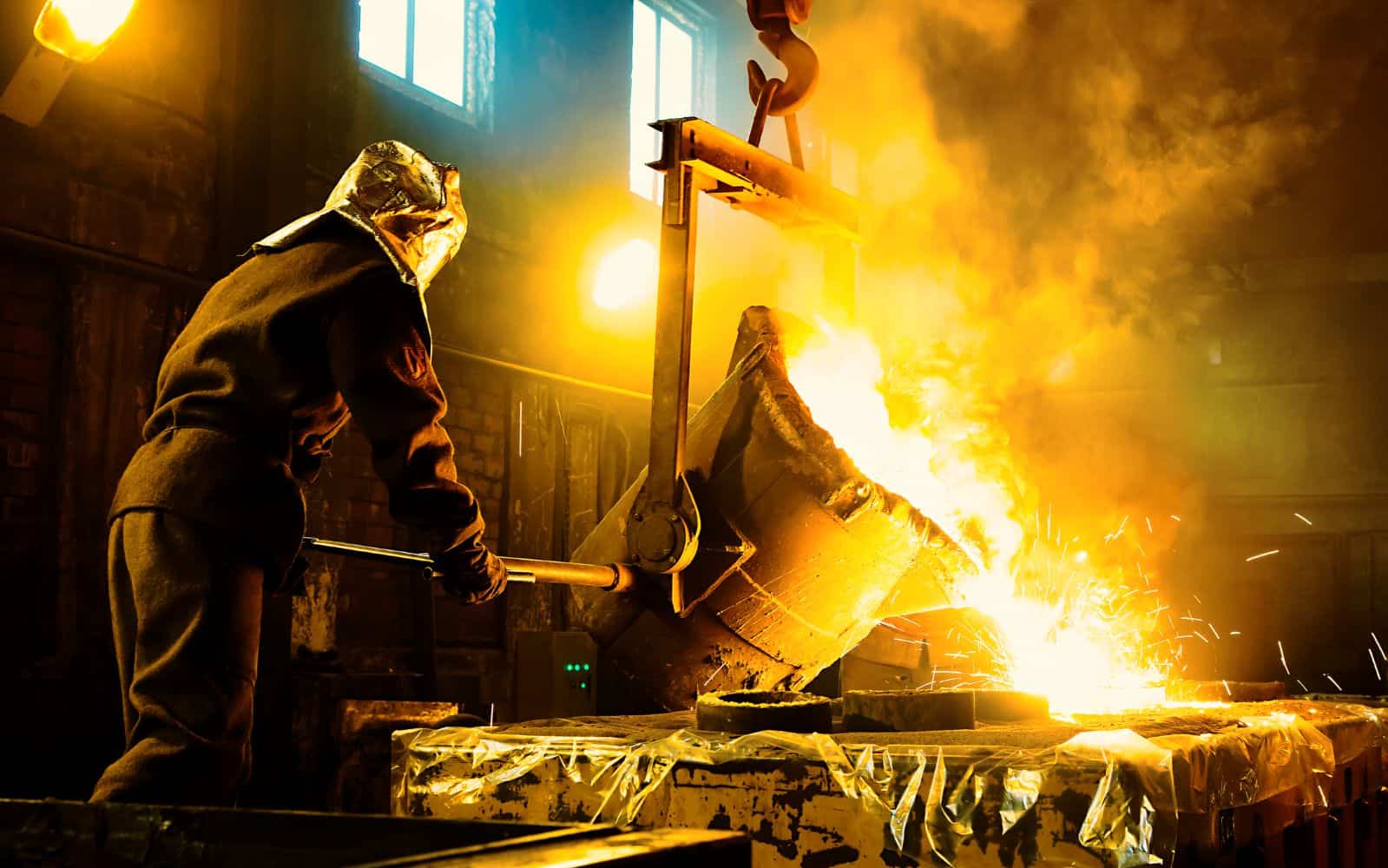
Eskom was clear this week that other electricity users won’t be burdened by the additional relief granted to the two companies. Picture: iStock


Energy regulator Nersa on 29 January approved an application by Eskom to lower the tariff it charges the Glencore-Merafe and Samancor smelters from 136c/kWh to 87c/kWh.
The discount will be applicable from 1 January to 31 December this year and will only apply to these two Eskom customers. Nersa will deal with applications from other smelters, which have pleaded the same hardship, when it receives such applications.
The decision by the energy regulator is subject to the approval of a government funding mechanism to fill the gap between the current tariff – which is already discounted in terms of negotiated pricing agreements (NPAs) – and the 87c/kWh.
Nersa previously granted the two companies a six-month exemption from the NPA obligation to buy a minimum volume of electricity, and an application from Eskom to extend this exemption was not dealt with.
Eskom submitted the application late and it has not been subjected to public consultation. The exemption expires at the end of January.
Moneyweb previously reported that Eskom entered into a Memorandum of Understanding with the two companies to lower the tariff to 87c/kWh and work towards lowering it even further to 62c/kWh by the end of February.
Eskom told Nersa during a public hearing this week that officials of the Department of Electricity and Energy and other government institutions have made a lot of progress in developing the funding mechanism.
The utility was clear that other electricity users won’t be burdened by the relief granted to the two companies.
Other customers are however currently subsidising the two companies to the tune of R6.5 billion per month.
This is according to information given to regulator members in a committee meeting earlier the same day that was open to the public.
Moneyweb tuned into the meeting, which was held virtually.
Committee members heard that with the 87c/kWh tariff Eskom covers its variable cost, plus a contribution to the cost of open-cycle gas turbines and legacy charges for renewable energy contracts, as well as a contribution to the subsidies for poor households – but does not cover its fixed cost.
ALSO READ: Nersa members perplexed by Eskom application for smelter tariffs
Justification
The further discount is however needed to save thousands of direct and indirect jobs, including in the up- and downstream value chains.
Electricity charges constitute a large portion of the cost base of the smelters and Eskom’s high tariffs render them uncompetitive on the global market.
The committee also heard that should the smelters close, it would increase the cost other customers must bear by R12 billion. This amount will balloon if other smelters also close permanently.
This article was republished from Moneyweb. Read the original here.
Support Local Journalism
Add The Citizen as a Preferred Source on Google and follow us on Google News to see more of our trusted reporting in Google News and Top Stories.

