SADAG urges South Africans to seek help for panic disorder
Mental health organisation says Panic Disorder is treatable and encourages people to reach out for support instead of suffering in silence.
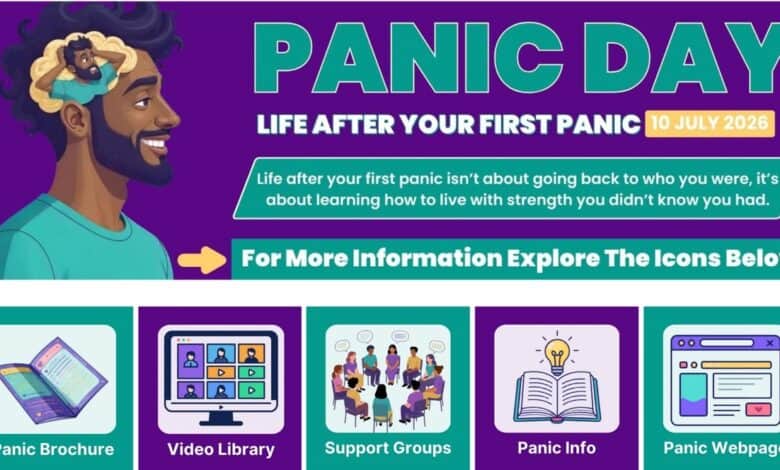
The South African Depression and Anxiety Group (SADAG) is encouraging the Merafong community and South Africans across the country to learn more about Panic Disorder and to seek help if they or someone they know is struggling.
The appeal formed part of the organisation’s annual Panic Awareness Day campaign, aimed at highlighting the often-hidden impact of Panic Disorder and reassuring people that effective treatment and recovery are possible.
According to SADAG, many people living with Panic Disorder develop a constant fear of experiencing another panic attack. This can lead them to avoid everyday situations such as driving, shopping or visiting public places, gradually limiting their independence and quality of life.
Panic attacks are sudden episodes of intense fear and can cause symptoms including a racing heart, chest pain, shortness of breath, dizziness, shaking, sweating, nausea and an overwhelming fear of losing control or dying. Although these attacks are not physically dangerous, they can feel extremely frightening.
“Panic doesn’t just happen during the attack itself,” explains SADAG Operations Director Cassey Chambers. “For many people, the fear of having another attack becomes just as debilitating as the attack itself. People begin avoiding places, situations and experiences out of fear that they might experience another panic attack.”
Panic Awareness Day holds special meaning for SADAG because the organisation was founded after its founder, Zane Wilson, spent nearly a decade searching for answers while living with Panic Disorder. The condition eventually affected every aspect of her life, making it difficult to drive, shop, eat out or even stay home alone.
Following a conversation with psychiatrist Prof Mike Berk, Wilson was inspired to establish a support group for others facing similar challenges. That initiative eventually grew into SADAG, which has spent more than 30 years providing mental health support across South Africa.
“Panic Disorder took away my independence, my confidence and my freedom,” says Wilson. “I organised my entire life around avoiding more panic attacks. I live a full and productive life, and my greatest hope is that others know they do not have to face panic alone.”
SADAG encourages anyone experiencing panic attacks or living with Panic Disorder to seek support. Information, educational resources, videos and details of support groups are available on the organisation’s website. Assistance is also available through the SADAG Mental Health Helpline, SMS callback service and WhatsApp support line.