The most dangerous animals in South Africa
Keep your distance from all wild animals, no matter their size or apparent temperament.
WHICH wild animals are the most dangerous to people in South Africa? This question is likely to result in lively debate, with answers possibly varying between the lion, the crocodile and even the lumbering two-ton hippo – all of which people need to be particularly wary of.
Mande Toubkin, Netcare’s general manager for emergency, trauma, transplant and CSI, cautioned: “Animals, and particularly wild animals, act on instinct and can therefore be unpredictable by nature. It is, therefore, important to remember that wild animals, in particular, can be potentially aggressive and even dangerous, and that due care should be exercised when around them, no matter their size or apparent temperament.”
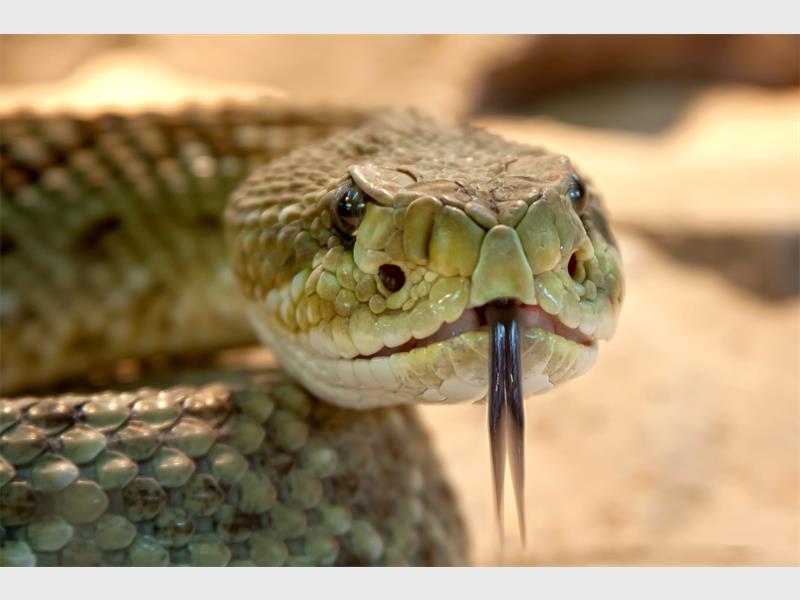
Toubkin was commenting on a recent review of Medibank data for the years 2015 to 2018, on patients attended to at the 45 emergency departments at Netcare hospitals around the country following attacks and bites by wild animals. This reveals that the animals responsible for the most patients seen at Netcare’s emergency facilities during the past four years were the elephant, followed by snakes and Africa’s largest antelope, the eland.
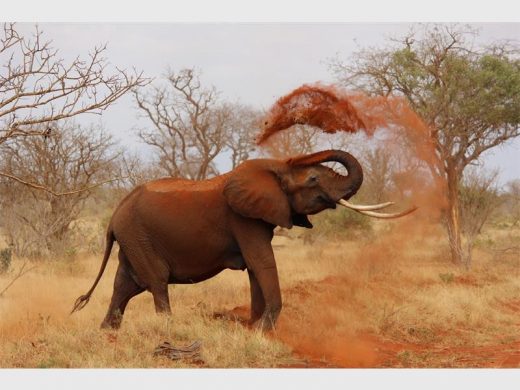
“We all know to avoid snakes and that elephants can be dangerous when agitated or encountered in the wild. However, the eland came as rather a surprise. During the period under review, a total of 10 patients were assisted at the Netcare emergency departments for elephant attacks, many of which had a high injury severity score, which is an established medical score to assess trauma severity, and which sadly also resulted in some deaths,” Toubkin said.
She noted that the high number of cases related to attacks by elephants, which usually trample their victims, is of some concern. The World Wildlife Fund observes that elephant populations are becoming increasingly stressed due to humans encroaching on their territories, and the high incidence of poaching of elephants in certain areas. It notes that this encroachment is increasingly bringing people not only into greater contact with elephants, but also other kinds of wild animals.
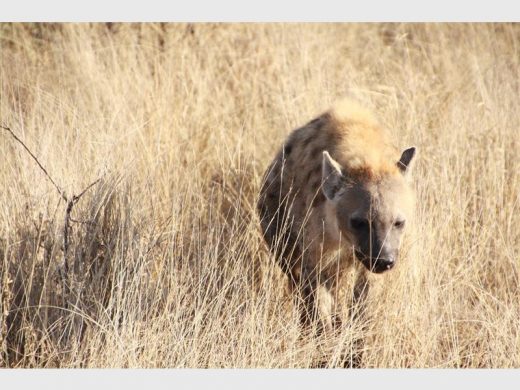
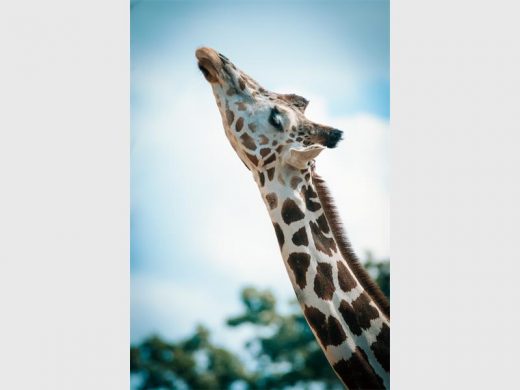
“Attacks by crocodiles, giraffes and hyenas were responsible for two cases each during this time. That a giraffe can pose a risk may come as a great surprise to many of us, but last year a man was fatally kicked in the stomach by one of these large and powerful animals, while there were also other recorded instances of giraffe attacks in 2018 that were not attended to at our Netcare emergency departments. These include an attack on a mother and child by a female giraffe that had apparently given birth to a calf shortly before the attack.”
While we may think of the hyena as a spineless scavenger, they have exceptionally powerful jaws, do sometimes hunt and there are recorded instances of them having attacked humans.
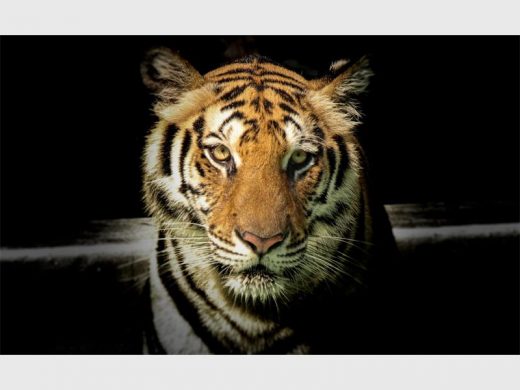
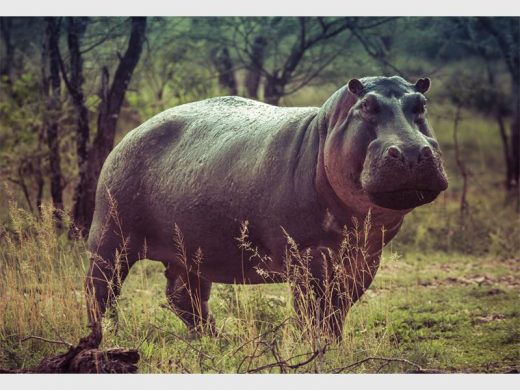
Toubkin said there were also cases attended to at Netcare emergency departments following attacks by lions, hippos and buffaloes, animals that are considered some of the most dangerous in Africa. There were also instances of attacks by wildebeest and a shark, while an imported tiger is recorded as having injured a child who had to spend six days in hospital in 2016,” adds Toubkin.
She notes that Netcare’s Medibank data does not include trauma and emergency statistics for state sector or other private emergency and trauma services and, therefore, do not provide a comprehensive national picture of injuries and deaths caused by wild animals.
“The study does, however, highlight the need for us all to be aware that all kinds of wild animals, large and small, can potentially behave unpredictably and aggressively in certain situations and may pose a threat to the unwary.
“It is, therefore, advisable to keep your distance and show due respect to wild animals and to avoid handling them, as far as possible. It is particularly important to stay away from wild animals that are with their young. In addition, captive wild animals are implicated in a relatively large number of incidents and should never be considered to be tame and ‘safe’ to handle.”
Toubkin provided the following additional tips for safety around wild animals:
• Keep your distance from them and avoid interfering in their activities, or handling them, as far as possible.
• When in nature, be aware of your surroundings and of potential threats. If driving in a game park or reserve, do not get out of your vehicle and stay a safe distance from animals, for example, elephants crossing the road. Ensure your vehicle windows are closed when wild animals are about.
• If you visit rivers, lakes or estuaries find out if animals such as crocodiles and hippos are present and if so, maintain a safe distance from riverbanks. Keep in mind that hippos do travel some distance from the water to feed. Try to avoid coming between them and the body of water, and stay away from hippos with calves.
• Consider wearing protective clothing, such as snake protection leg gaiters, when walking in areas where venomous snakes are known to be prevalent.
• It should be noted that an infectious disease, such as rabies, can make pets and wild animals behave abnormally and, in some cases, lose their fear of humans. Avoid animals that may be behaving strangely and/or in an over-friendly or docile manner.
• Be aware that even the cubs of animals such as lions, leopards and tigers are powerful and can easily injure people, particularly children.
• Keep the numbers of emergency service providers at hand in case of emergencies.
Toubkin points out that their emergency departments situated around South Africa handle substantial numbers of trauma cases every year, and those departments accredited to level 1 and level 2 by the Trauma Society of South Africa are authorised to treat all severity levels of trauma.
“We urge South Africans and visitors to our country to always be careful and take precautions when they encounter a wild animal of any size and within any context. The same point can be made of some of the apparently domesticated animals that are not familiar to you,” concluded Toubkin.