Avoid congestion at clinics and collect chronic medication at pick-up points
Patients with chronic illnesses who possess an identity document, passport, or asylum permit, and meet the criteria for being stable on chronic medication for six months or longer can use the pick-up points.
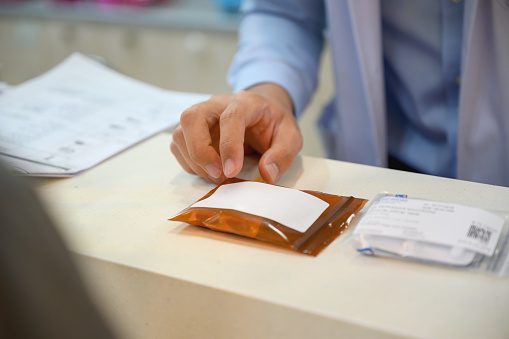
To ease congestion and minimise the chances of contracting the coronavirus at its clinics, the City of Johannesburg has established a total of 381 registered chronic medication pick-up points where patients can collect their medication at venues that are more convenient for them.
The collection of medication from the Central Chronic Medicine Dispensing and Distribution points, previously called CCMDD, has been re-branded as “Dablapmeds”, the shortcut to people’s chronic medication.
Millions of South Africans are dependent on chronic medication for conditions such as HIV, diabetes, high blood pressure and epilepsy. Not taking chronic medication as per the prescription could lead to the worsening of the illness and in severe cases, it can lead to death.
“The fear of contracting Covid-19 has resulted in some chronic patients delaying collecting their medication at clinics,” said MMC for health and social development councillor Eunice Mgcina.
Patients with chronic illnesses who possess an identity document, passport or asylum permit and meet the criteria for being stable on chronic medication for six months or longer can use the pick-up points.
Patients who do not have the above documents do not have to queue and can fetch their medication at their local clinic’s “Facility Pick-Up Point”.
Patients start their journey at a primary health-care (PHC) facility, where they can register to fetch their medication at their preferred pick-up points. If they meet the criteria, a six-month medicine prescription will be written. The patient will be given medication for the first two months. They can then collect medication for the subsequent months at their chosen pick-up point.
After six months, patients need to return to their respective PHC facility for assessment and rescript, where they will again be given medication for months seven and eight at the facility and be informed to collect prescriptions for months nine, 10, 11 and 12 at the pick-up points. After 12 months they would then return to the PHC facility for an annual clinical review and further tests.
“I can never over-emphasise the need for patients to continue taking their medication. This will help ensure patients can avoid relapses which would lead to more complications – particularly during this time when we are still battling the pandemic.
“Other benefits that patients can enjoy include an SMS to remind them to collect their medicine. Patients may also register a relative or person close to them to collect their medicine. However, this may happen only if the person is registered.
“Our nurses and health-care practitioners across all our 112 primary health-care facilities in all seven regions in the City are always on hand to advise all patients about their medicine. I urge all residents to help us with our Dablapmeds drive and take their medicine on time and regularly. We are in this together,” said Mgcina.