
Obesity crisis: Dietician shares causes, misconception and solutions
Expert dietician sheds light on causes, misconceptions, and solutions.
Obesity is a global crisis, and SA is no exception.
A recent study published by The Lancet revealed that more than one billion people worldwide were living with obesity in 2022.
Since 1990, obesity rates among adults have more than doubled, while among children and adolescents (aged five to 19), they have quadrupled.
In SA, almost 50% of adults are overweight or obese, says the Human Sciences Research Council (HSRC).
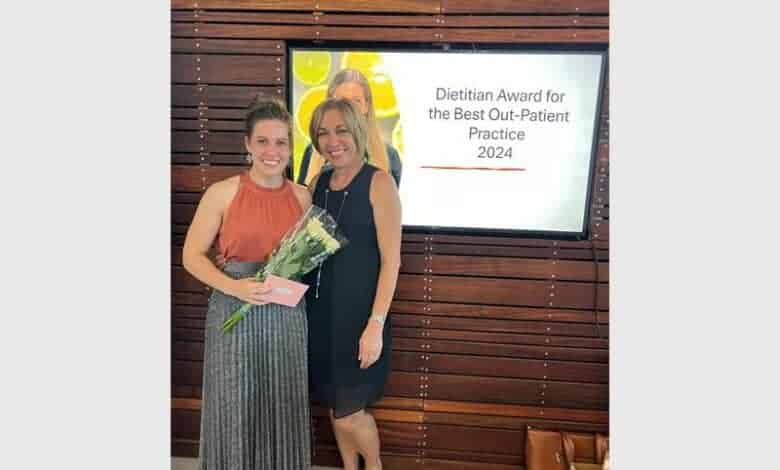
With March 5 marked as World Obesity Day, the Alberton Record spoke to Chelaine Gnäde (26), an award-winning dietician for the best out-patient practice at Alta Kloppers & Associates in Alberton, about the realities of obesity, common misconceptions and a dietician’s role in addressing this growing health crisis.
A passion for nutrition and helping others
Gnäde has been a dietician since 2021. Her journey began in Grade 11 when she job-shadowed at Alta Kloppers Dieticians, the practice where she now works.
She had no idea at the time what career she wanted to pursue, but the experience sparked her interest.
“I think we underestimate what dieticians do. I found the profession fascinating, and after that job-shadowing experience, I knew I wanted to help people,” she said.
After matriculating at Hoërskool Marais Viljoen, she studied dietetics at the North-West University.
She joined Alta Kloppers & Associates in 2022 after her community service.
“There’s more to being a dietician than just food and nutrition. There’s a psychological side to it, and being able to relate to someone is as important,” she explained.
One of the job’s more rewarding aspects is seeing the results, “When someone loses weight, it’s rewarding not just for them, but for us as well.”
However, she acknowledges that the job has challenges.
“A dietician can only do so much. Ultimately, it takes a lot of effort from the client. If individuals do not see results, they often blame us; however, the reality is that success depends on whether the individual follows through with the plan.”
Obesity: A condition, not just a lifestyle issue
People often misunderstand obesity. Gnäde stressed that it is now classified as a medical condition rather than just a weight issue.
“The impact of obesity is almost the same as living with cancer. If someone beats cancer, they will always be a cancer survivor. Similarly, someone who loses half their weight will still be considered a person living with obesity.
“The long-term effects on the next generation are alarming, especially for obese parents planning to have children,” Gnäde shared.
She revealed that obesity is common in Alberton, with her practice seeing two to three new obese patients weekly.
What causes obesity?
According to Gnäde, several factors contribute to obesity, and it’s not as simple as just eating too much.
• Comorbidities: Many obese people already have underlying health conditions like diabetes, high blood pressure, high cholesterol and even arthritis.
• Physical inactivity: A sedentary lifestyle is one of the biggest contributors to weight gain.
• Emotional and stress eating: “Stress plays a major role. Some people excessively eat when stressed, which leads to obesity.”
• Pre-diabetes: “If your doctor tells you you’re pre-diabetic, you must act immediately. Waiting until full-blown diabetes develops makes it much harder to manage.”
Common misconceptions about obesity
Many believe eating less and exercising more is the only way to lose weight.
Gnäde warns that this approach is often ineffective, “You must get your blood tested so we can understand why you’re not losing weight. Some say, ‘I haven’t eaten for two days, but I’m still not losing weight’. This could be due to insulin resistance, and by starving yourself, you might actually worsen the condition.”
She also addressed a common stereotype about dieticians, “People think we only help ‘fat people’ lose weight, but dieticians do much more. We work in community health, food services, private practice and out-patient care,” she said.
Tips to prevent and manage obesity
Gnäde encourages people to make sustainable lifestyle changes rather than resorting to extreme dieting.
• Eat five meals a day: This helps keep your metabolism active.
• Stay hydrated: Drinking water can help with digestion and prevent overeating.
• Exercise regularly: Simple activities like taking the stairs instead of the lift make a difference.
• Monitor your health: Regular check-ups can help identify issues like pre-diabetes, high blood pressure or insulin resistance at an early stage.
• Struggling to lose weight? See a dietician: For those who tried and failed to lose weight, getting professional help is crucial.
“People are scared of dieticians because they think we’ll tell them to give up all the good things in life, but that’s not true,” Gnäde reassured.
“We create individualised and personalised plans that work for each person. If you’re struggling, don’t hesitate to see a dietician.”
Obesity is a growing health crisis, but it’s never too late to take control of your health. With the correct guidance, small changes can lead to impressive results.