
Beat the heat: Essential safety tips for extreme summer temperatures
As heat waves become longer, hotter, and more frequent due to climate change, knowing how to stay cool and hydrated is vital.
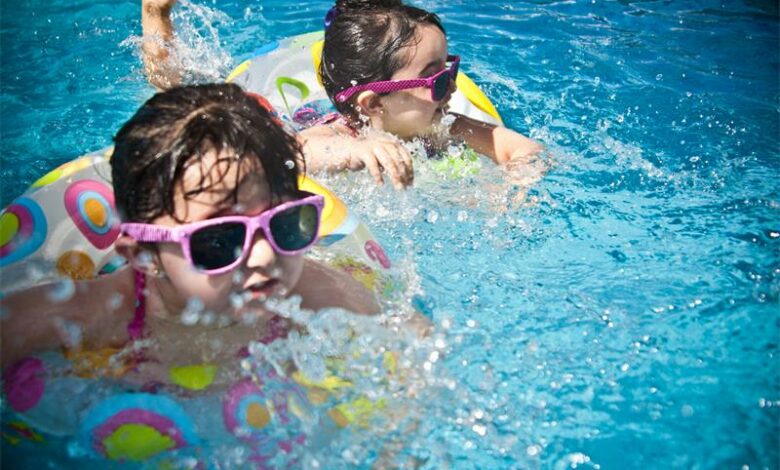
Heat waves are anything but fun in the sun. Extreme heat and humidity can be uncomfortable and pose serious health risks, especially for:
• infants;
• children;
• pregnant women;
• the elderly.
Heat waves are becoming longer, more frequent and more severe as a result of climate change, so without proper precautions, they can lead to heat stroke and even fatalities.
The United Nations Children’s Fund has tips to help keep families safe in a heat wave and recognise the signs of heat stroke.
What is a heat wave?
Heat waves occur when warm air becomes trapped in the atmosphere, resulting in temperatures that stay above normal for several consecutive days. High humidity can make these periods feel even hotter.
Due to climate change driven by greenhouse gas emissions, heat waves are now becoming more intense and frequent, with heat lingering for longer periods.
Who’s most at risk from heat waves?
Too much heat can be more dangerous for babies and children than for adults, and dehydration in children can be dangerous or even deadly.
Their bodies have more trouble regulating temperature than those of adults, and they rely on adults to help protect them from heat.
Pregnant women are at greater risk as well. Too much heat and dehydration can put the baby at higher risk of low birthweight, early birth and even stillbirth. Pregnant women can be negatively affected and go into early labour, as well as develop gestational diabetes and hypertension.
What to do in a heat wave
Be prepared
• Know how hot and humid it will get today, this week and this month to help plan outside activities;
• Keep an emergency kit at home that contains oral rehydration salt packets, a thermometer, water bottles, towels or cloths to wet for cooling, a handheld fan or mister with batteries, and a checklist to identify and treat symptoms of heat stress;
• Know how to get help. Note down the contact information for the nearest healthcare provider or ambulance/transport services.
Keep your home cool
• When possible, close the curtains during the hottest parts of the day and open the windows at night to cool down the house;
• Use fans and coolers if available.
Stay out of the heat
• Do not go outside during the hottest times of the day if you can avoid it. Try to arrange activities earlier or later in the day when it is cooler;
• When outside, wear sunscreen and try to stay in the shade or use hats and umbrellas for protection.
Stay cool and hydrated
• Drink water at regular intervals before you are thirsty;
• Overdressing in the heat can make you dehydrated and hotter faster, so wear light and loose clothes. Cotton is ideal during hot days to help reduce heat rashes and absorb sweat. Similarly, cotton bed sheets are recommended over non-breathable materials;
• Carry a water bottle and a small towel, so you can hydrate and cool down by placing a wet towel on your neck;
• Check to see if your community has a heat relief or cooling centre near you. You could also use the waiting areas of health facilities as a temporary cooling shelter.
Signs and symptoms of heat-related illness
Severe symptoms require urgent care. If a family member presents any of the severe symptoms below, immediately call for an ambulance or arrange transport to a health facility; trust your instincts.
Take these steps to help your loved one cool, rehydrate and recover:
• Cool and rush to a health facility if severe
If a family member has severe symptoms of a heat-related illness, cool them first and then transport them.
Help the person sit or lie down in a cool, shaded area with good ventilation. Close curtains to create more shade.
Turn on a fan or air conditioner if available. Apply wet towels to the head, neck, armpits and groin.
• Infants and children: Remove outer layers of clothing.
• Pregnant women: Have them remove excess layers of clothing in a private area if possible. Have them sleep on their left side or leaning to the left.
If the person is unconscious or vomiting, lay them on their side until transport to a health facility arrives. If there are no severe symptoms, treat at home and reduce their temperature as above.
Keep your home cool
• Close the curtains during the hottest parts of the day and open windows at night to cool down the house.
• Use fans and coolers if available.
• Put hands and feet into containers of cool water to help cool off faster. Older children and adults can be immersed in cool (NOT ice-cold) water if available, or a cold shower.
DO NOT immerse infants and young children in very cold water;
DO NOT point the fan at the face, especially of infants;
DO NOT give paracetamol/acetaminophen without advice from your health provider.
• Rehydrate
Infants under six months: Breastfeed to rehydrate. Encourage the mother to drink more water, especially if breastfeeding;
Older infants and children: Give them water in small amounts to help them become used to it;
If the child has perspired a lot or is sweating a lot, add some oral rehydration salt (ORS) to the water. Follow the directions on the packet. If there are none, use this guide:
A child under two needs at least ¼ to ½ of a cup (250ml) of the ORS drink;
A child two or older needs at least ½ to one cup of the ORS drink;
If there is no premade ORS, dissolve six level teaspoons of sugar and ½ level teaspoon of salt in one cup of clean water.
Older children and pregnant women: Add the ORS to water if excessively sweating. They should drink 100ml of ORS every five minutes until they seem better.