
Prepaid to postpaid: Why City Power says the change is necessary
City Power is converting some prepaid customers to postpaid billing, including certain solar users. The deadline has been extended to June. Here’s who is affected and why.
Last November, City Power (CP) announced that all non-vending prepaid residential customers would be converted to postpaid billing accounts.
The move was to help the utility recover lost revenue. However, the announcement caused panic among prepaid electricity users across Johannesburg.
CP said the intervention is part of its efforts to reduce revenue losses, deal with tampered meters and illegal connections, and improve billing accuracy. The process is about ensuring residents pay for the electricity they use.
The conversion, originally expected to end last December, has now been extended to June 30. CP said this would give affected customers more time to regularise their electricity supply, work with audit teams and resolve outstanding billing or vending problems.
Recovering lost revenue and enforcing by-laws
The extension will help CP recover money owed in line with municipal by-laws, which allow it to disconnect illegal connections and backdate charges for up to 36 months.
At the same time, CP teams continue with stand-by-stand meter audits across the city to identify customers not selling electricity or whose prepaid meters might have been tampered with.
Solar PV users are also affected
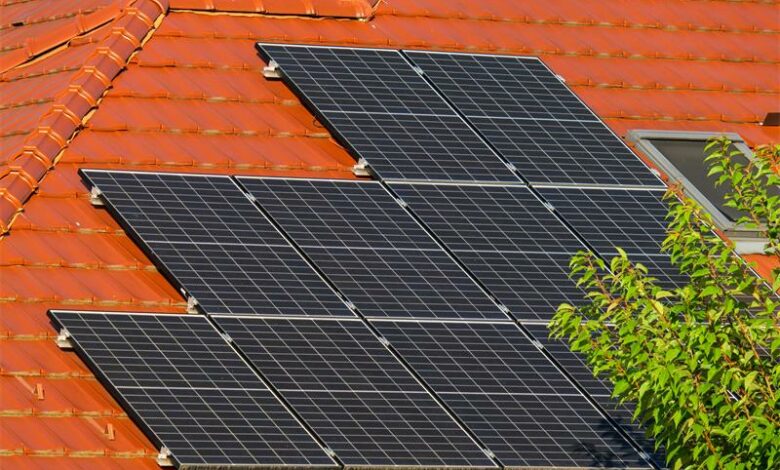
CP said customers with solar photovoltaic (PV) systems still on prepaid meters would be converted to postpaid billing accounts to properly record electricity imported from the grid and exported back into it. CP will also better manage the network and place these users on the correct billing system.
Concerns raised by community leaders
Speaking to the Comaro Chronicle, Ward 23 Clr Tyrell Meyers said the extension and lack of clarity on who will be affected have caused concern, especially among solar PV users.
“These users are outraged. Many switched to solar because CP could not reliably supply electricity, even though they were paying customers.”
He said most solar PV users still rely on the grid during cloudy days and, therefore, use a hybrid system.
“By converting them to postpaid billing, they will face the same charges, which means extra costs. Electricity is becoming a luxury and is unaffordable for many people,” he added.
Why solar PV customers must move to postpaid
CP rejected claims that the conversion is punitive, saying prepaid meters cannot measure two-way electricity flow, which happens when customers generate power and send excess energy back into the grid.
This can lead to billing errors, revenue losses, network instability and safety risks, and prevents customers from benefiting fully, including earning money from selling excess power and accessing reduced time-of-use tariffs during peak periods.
Postpaid, bi-directional meters allow CP to measure electricity used and exported accurately.
Supporting renewable energy, not punishing it
CP stressed that the move is not meant to punish customers who invested in solar energy. Instead, it aims to build a fair, efficient and future-ready system that can support renewable energy while keeping the grid stable and affordable.
The utility is working on a programme that will allow customers who generate excess energy to sell power back to the grid. It can only work with postpaid meters that accurately record energy flows in both directions.
City Power responds to claims
CP spokesperson Isaac Mangena said the conversion only applies to residential customers with prepaid meters.
“It does not apply to all small-scale embedded generation customers. Other customers will remain on their current systems,” he said.
Mangena said CP does not charge customers to install solar PV systems.
“Customers are free to install solar at their own cost using approved installers and in line with regulations,” he said.
He said claims that CP wants to charge for solar installations are false.
“Solar energy forms part of our 10-point plan to address energy shortages. We support renewable energy, but it must be done safely, fairly and in a way that benefits all customers.”