
Numsa members accept offer from employers
Numsa members back at work.
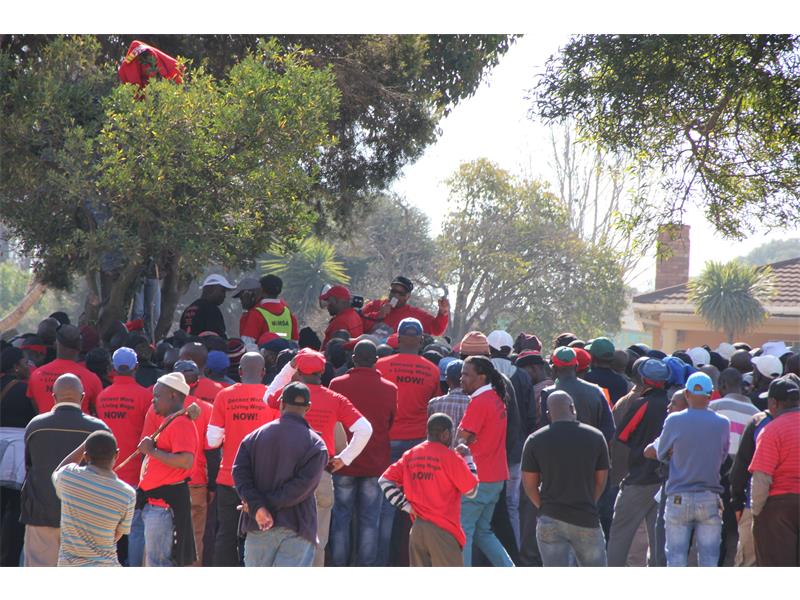
The Numsa Special National Executive Committee (NEC) was convened on July 27, to update the union’s structures on the progress made during negotiations in the Metals Engineering Industry Bargaining Council (MEIBC) over the past week.
The special NEC was attended by Numsa’s national office bearers (NOBs), worker-leaders from all their regions, and members of the National Bargaining Team (NBT).
The Numsa NEC agreed to present to the Numsa striking workers the bottom-line settlement proposals, in order for them to secure a mandate before an announcement was made.
The NEC took this approach in accordance with Numsa’s established traditions as a worker-controlled, democratic and transparent trade union.
A number of meetings were held on July 28, across the country, to allow members to deliberate on the recommendations of the special NEC.
“We are pleased to inform the public and the country at large that the latest offer is a product of sweat and bitter struggles by our toiling workers for a living wage,” said Castro Ngobese, the national spokesman for Numsa.
“The settlement offer has been overwhelmingly and unanimously accepted by our members.”
“The settlement package that our members have accepted is one which will go some way in addressing the challenges workers face on a daily basis in attempting to provide for their families in the face of the triple challenge of unemployment, poverty and inequality faced by the working class in our country today.”
The main features of the settlement package are:
- Wages:
- A 10 per cent wage increase every year for the lowest paid members, for the next three years.
- Labour brokers:
- A commitment that employees engaged by labour brokers shall continue to be entitled to all the terms and conditions of employment as contained in the main agreement.
In order to enforce this, the MEIBC will employ labour broker compliance officers who will act on complaints of abuse and non-compliance from labour brokers.
- Furthermore, parties have committed to discourage and minimise the use of temporary employment services in the industry.
- The administration of disciplinary action will be done by the secondary employer, where the worker is employed, rather than by the labour broker.
Improvements have also been secured in some of the following areas:
- On short time – parties have agreed to set up an industry short-time fund, which will be used to compensate workers when they are on short time.
- Time off for shop stewards to attend to union and industry matters.
- Opportunities for training for the members.