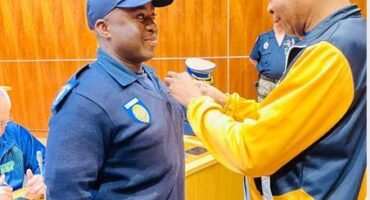
Germiston entrepreneurs empowered to grow local economy
Seventy-five informal traders and micro-enterprise owners from Germiston and nearby areas have completed a business development programme aimed at revitalising the township economy. Through public-private collaboration, participants received essential training and support packages to grow their businesses and contribute to sustainable local economic growth.
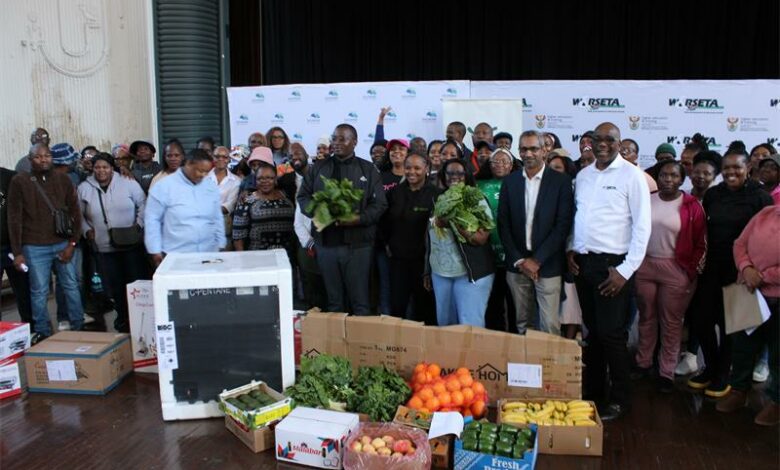
Last Tuesday began a life-changing journey for 75 informal traders and micro-enterprise owners from Germiston and surrounding areas.
These entrepreneurs completed the informal trader and micro-enterprise development programme, a significant milestone in township economy revitalisation and grassroots enterprise development.
The programme, implemented by Shumani Training and HR Solutions in collaboration with the City of Ekurhuleni and funded by the Wholesale and Retail Sector Education and Training Authority, provided participants with essential business training and tools to help grow and sustain their operations.
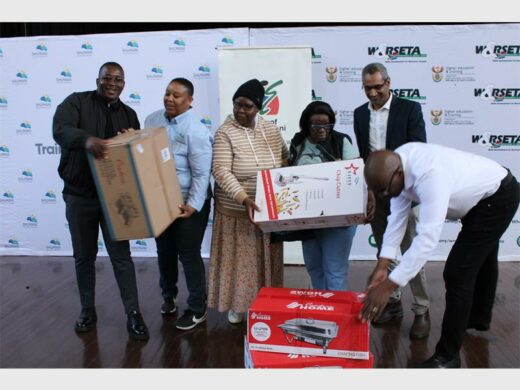
At the handover ceremony, each beneficiary received a business support package valued at R3 000, which included stock and equipment to boost their businesses.
ALSO READ: Indigent households in Ekurhuleni get relief programme
MMC for Developmental Planning and Real Estate, Alderman Nomadlozi Nkosi expressed the city’s pride and gratitude:
“We are extremely proud of the beneficiaries and remain committed to revitalising the township economy. Such public-private initiatives are key to advancing economic development at the grassroots level.
“This programme is a true example of what we can achieve when stakeholders unite with a shared vision of economic inclusion.”
Nkosi also urged participants to apply the knowledge and skills they had gained.
“I encourage you to apply what you have learned to your businesses so they can become sustainable, compliant, and competitive.”

Faith Mugada, CEO of Shumani Training and HR Solutions, echoed this sentiment, highlighting the programme’s objective.
“The ITAMED Programme aims to uplift informal traders by equipping them with critical skills to sustainably manage and grow their businesses.”
The training, held on December 3 last year, covered a wide range of topics, including:
• Introduction to entrepreneurship
• Business planning
• Customer service and marketing
• Financial management and purchasing
• Regulatory compliance and food safety
• Merchandising and point of sale
The programme is part of a national effort to formalise the informal economy, empower township entrepreneurs, and promote inclusive economic growth. It aligns with government priorities to support local business sustainability and create jobs in underserved communities.
ALSO READ: Jeppe High learners take an exchange programme to France
Participant testimonials
Vovo Mondlane, a nail technician from Katlehong, described the programme as an eye-opener:
“I didn’t run my business profitably before, so I never saw growth. But since implementing what I’ve learned, I’m beginning to see the fruits of my labour. I’ve even managed to expand my business and started training others.”
She admitted that her biggest mistake was not tracking her finances or understanding the value of a business account:
“Now I know better. I’ve learned how to manage my business more efficiently, and the business support package has helped me acquire things I couldn’t afford before. I urge young people to attend such programmes—they are invaluable.”
Boitumelo Lekoala, known as “Mapendane” (meaning “the painter”), shared how the training reignited his passion for his business:
“As informal traders, we often don’t invest in educating ourselves, hindering growth.
This programme has given us so much. Now, it’s up to us to apply what we’ve learned. Running a business is not easy.
“There are days when you don’t make a single sale, which gets discouraging. But I’m using my passion and the knowledge I’ve gained to propel my business forward.”Vusi Mndebele from WRSETA encouraged the beneficiaries to use their support packages wisely:
“We don’t want to hear that beneficiaries are out of business because they sold their equipment. We want to see you grow from where you are.”
He concluded by reminding traders always to seek out resources:
“There are many programmes that support small businesses. Let’s teach ourselves to be willing to learn and grow.”
As these 75 traders take their next steps, the success of the ITAMED Programme stands as a shining example of how partnership, education, and investment can uplift communities and transform lives.