
Understanding grief in children and teens: signs, effects and support
Grief affects children and teenagers in subtle ways, from school struggles to social withdrawal. Experts advise parents, caregivers, and communities to recognise the signs, provide support, and create safe spaces for young people to process loss.
Grief is often associated with adults, but experts warn it quietly weaves its way into the lives of children and teenagers too, in classrooms, on sports fields and in homes.
While tears and visible sadness are expected after the death of a loved one, many parents and caregivers fail to recognise the quieter ways grief manifests in young people. Beyond bereavement, children and teens can grieve a range of losses, including parental divorce, repeating a grade, financial instability at home or a parent losing a job.
Mental health organisations caution that without the right support, unresolved grief can have severe and lasting consequences.
According to SADAG, many teenagers find it overwhelming to speak up about their pain.

However, when they are met with calmness, care and openness, it reduces fear and helps them feel less alone. Creating a safe space where young people can share, even when words are difficult, builds trust, connection and understanding.
Dr Vicky Downing, an educational psychologist and family mediator from Guiding Hands Therapy, said grief affects people differently, with no two individuals experiencing it in the same way.
“Although there are general phases people progress through when grieving, such as denial, anger, bargaining, depression and finally acceptance, we do not move through these phases in a linear way. We can return to previous stages again and again,” she explained.
Downing noted that teenagers often experience grief differently from adults and may lack the emotional capacity or self-awareness to understand their reactions. The suddenness of a death can also affect a teen’s ability to process the loss and adjust to life without the deceased.
Academic and social impact
Educationally, grieving teens may struggle with poor concentration, decreased motivation and disengagement from schoolwork, resulting in declining marks. Sleep disturbances can lead to memory problems and difficulty focusing.
Some teenagers report feelings of isolation and struggle to engage socially at school. Others experience absenteeism, either to avoid academic demands or due to low energy levels associated with grief.

Social withdrawal is also common. Teens may distance themselves from peers, which can intensify feelings of loneliness.
“They often feel like onlookers, experiencing intense emotions while others continue with daily life,” said Downing.
On a psychological level, grief can present as irritability, withdrawal or increased dependency on adults.
Beneath anger, she said, often lies deep sadness. Some teens experience guilt, confusion about their emotions or heightened anxiety about the safety of other loved ones. Changes in sleep and appetite are also common.
Warning signs of depression and suicidal thoughts
Experts urge parents and teachers to watch for red flags, including:
• Isolation and social withdrawal
• Persistent anger or irritability
• Ongoing sadness, low self-esteem, feelings of worthlessness or intense guilt
• Changes in sleep patterns
• Changes in appetite
• Declining school performance
• Loss of interest in previously enjoyed activities
• Neglect of personal hygiene
• A sense of hopelessness about the future
• Increased risk-taking or dangerous behaviour
• Self-harm (which can occur with or without suicidal thoughts)
How parents can help
Downing emphasised that patience is key.
Parents should recognise that grief can intensify the fluctuating moods already associated with adolescence. Where there is a strong relationship, parents can gently encourage open conversations about the deceased and the teen’s feelings. Where relationships are strained, encouraging the teen to confide in another trusted adult can be beneficial.
She advised parents to validate and normalise their teens’ emotions, avoid shifting conversations to their own grief, maintain structure and routine to provide a sense of safety, and allow teens to honour the memory of the deceased in meaningful ways.
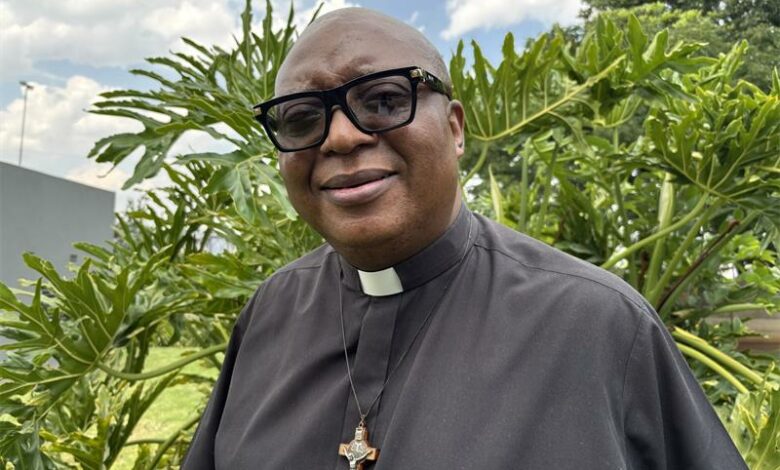
Meanwhile, Father Themba Seya, founder of the Father Themba Seya Foundation in Crystal Park, believes communities need to take a more proactive approach to supporting young people.
He expressed concern that many existing programmes are reactive rather than preventative.
“When we were growing up, social workers were visible in the townships. Now they are there, but they are not present in the community. Young people don’t know where to go for help,” he said.
He added that schools should immediately implement post-trauma counselling when a learner dies, rather than waiting to see who reacts.
Father Themba said he has recently observed an increase in depression, suicidal behaviour and substance abuse among young people.
“It is no longer about experimenting. Many are using substances to cope with trauma. Some of them are overwhelmed by anxiety,” he said.
He advocates for more outreach programmes outside school hours to keep children engaged and active. Initiatives such as reading groups in libraries, life coaching, skills development programmes and sports tournaments, including boxing, soccer and tennis, can provide positive outlets.
“Our communities need to ask what we can do for ourselves, not only what government can do for us. Churches and community structures must be opened and utilised. Retired professionals, nurses, teachers, can play a role in building supportive structures for our children.”
Physical effects
Dr Kedilatile Moalusi, known as “Dr Bunny”, who runs a medical practice in Wattville, highlights the physical effects of grief on a person’s health.
According to Dr Moalusi, grief not only affects a person emotionally and mentally, but can also manifest physically.
Some individuals experience chest pains, headaches, shortness of breath, difficulty sleeping, insomnia, a rapid heartbeat and fatigue.
She explains that headaches can be triggered by excessive worrying and overthinking, which in turn may lead to sleep disturbances. When it comes to insomnia, she does not usually recommend sleeping tablets, as these can lead to dependency.
“We try to encourage patients to meditate and listen to motivational talks on YouTube,” she says.
Expanding on chest pain, Dr Moalusi notes that some patients report pain below the breast area that radiates to the back and can also be felt in the shoulder and neck. In such cases, she conducts a physical examination, may request a chest X-ray, and sends blood samples to the laboratory to ensure that all results are normal and to rule out any underlying medical conditions.
She highlights that they work with a priest, a psychologist, a social worker and a psychiatrist.
She emphasises that while grief is a natural response to loss, its physical symptoms should not be ignored, especially in young people, and medical assessment is important to exclude serious health concerns.
Resourceful tools
Bereavement books that parents can buy for their children:
The Memory Box – A Book About Grief: Make a memory box after reading by Joanna Rowland
When Dinosaurs Die: A Guide to Understanding Death by Laurie Krasny Brown and Marc Brown
The Invisible String and Workbook by Patrice Karst
The Paper Dolls by Julia Donaldson
Always and Forever by Alan Durant
SADAG toll-free 24-hour mental health helpline: 0800 456789.