
Opinion – June 30: A day that left more questions than answers
What we encountered was powerful, intense, and, at times, deeply unsettling.
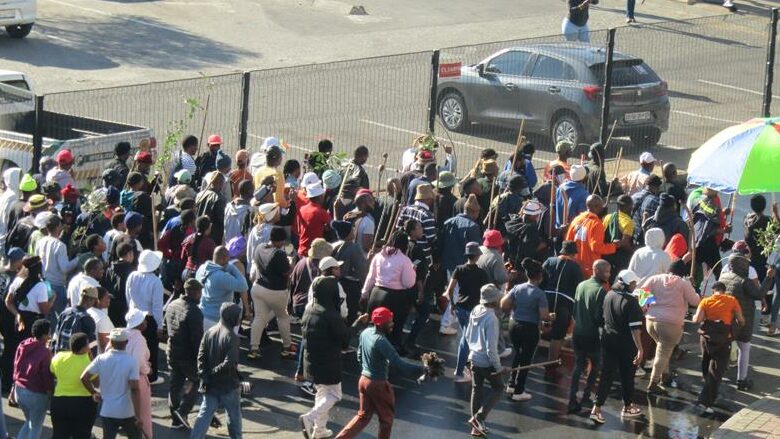
June 30 has left me feeling frustrated, scarred, worried, and deeply concerned, a mixture of emotions that I am still trying to process.
As journalists, we found ourselves on the ground, moving across different areas around Ekurhuleni, documenting the marches as they unfolded.
We were there not just as observers, but as witnesses to the raw emotions of communities. What we encountered was powerful, intense, and, at times, deeply unsettling.
This experience has left me with one pressing question: Do all those who participated in these marches truly understand the mandate behind them?
Or are some driven by anger, fuelled by frustration, and ultimately channelling that energy toward the wrong people?
ALSO READ: OPINION: The Hot Topic – Youth Day fails to shift youth realities
While marching with the Primrose group, we captured moments that reflected the deep-seated emotions of many South Africans.
There was pain. There was anger. There was a strong sense of people wanting to be heard. But alongside these expressions were moments far from constructive — moments when the line between protest and hostility blurred.
Some of what we witnessed was not pretty. It revealed a community grappling with real issues, but also highlighted how easily genuine concerns can be overshadowed by actions rooted in misdirected anger.
South Africans are facing undeniable challenges: unemployment, crime, inequality, and social instability.
These realities cannot be ignored, and they naturally lead to frustration. However, the question remains: when frustration turns into hostility, who ultimately pays the price?
ALSO READ: Opinions: Mrs Vee’s cup of words: When egos cost a city
Protests have long been a powerful tool for change, a way for communities to demand accountability and justice. But when the message becomes lost in acts of aggression, the original purpose risks being diluted.
As journalists, our role is to document, to reflect, and to ask difficult questions. And today, the question we must all confront is this: Are we building solutions, or are we deepening divisions?
June 30 was more than just a day of marches. It was a mirror reflecting the state of our society — both its pain and its potential. What we choose to do with that reflection will define the path forward.