Gauteng’s Tswa Daar campaign brings drug addiction support to Primrose
The Gauteng government’s Tswa Daar campaign marked its first anniversary in Primrose, offering residents access to substance abuse support, mental health services and rehabilitation referrals.
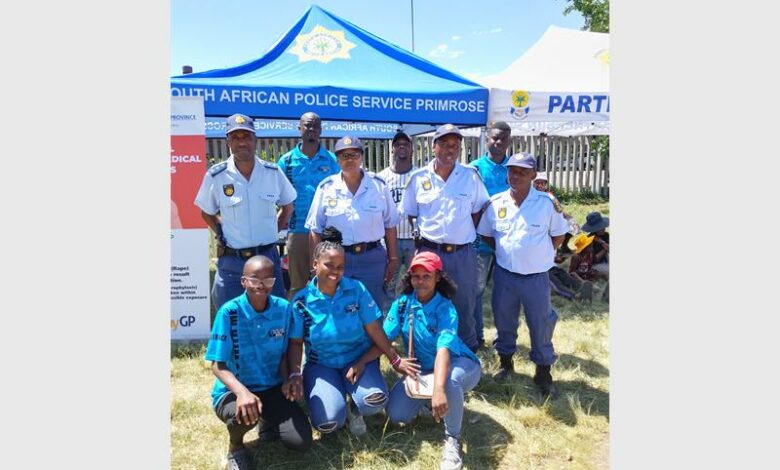
The Gauteng Provincial Government (GPG) hosted the Tswa Daar activation campaign in Primrose, outside the Primrose bus depot, opposite Makause informal settlement.
The event, held on October 27, saw various government stakeholders set up stalls to assist residents seeking services.
The department urged people struggling with substance addiction and families seeking help for their loved ones to take part in a registration drive that started on October 27 at 16 sites across all five regions of Gauteng.
ALSO READ: Three suspects arrested in Primrose with unlicensed firearms and drugs
Premier Panyaza Lesufi and Members of the Executive Council led the drive as part of the third phase of the campaign, “Tswa Daar: Ke Moja, I am fine without drugs”.
The day marked the campaign’s first anniversary and offered residents an opportunity to register on the campaign database and take the first step towards treatment and recovery.
Mental health and substance abuse link highlighted
Among the stakeholders on site were officials from the Ekurhuleni Health District. Clinician psychiatrist Rebaabetswe Mwelase said they were there to offer support to drug users and their family members.
She said substance use could, in many cases, cause mental disorders that could lead to divisions within families.
“We wanted the community to understand what is normal and abnormal behaviour. People become psychotic and start to see or hear things. Families must report that kind of abnormal behaviour to health professionals so they can intervene,” said Mwelase.
“Coming here to the ground means we are able to speak to some of the people or family members of people who are already our clients. We are also able to offer first responder services to those who come forward for assistance.”
ALSO READ: Illegal drugs worth over R22 800 seized in EMPD operations across Ekurhuleni
“We had nursing staff for any medical needs, including taking vital signs, as well as psychologists and people to refer anyone to.
We also had DSD officials on the ground who know which rehabilitation facility to refer people to or how to facilitate admission.”
She added: “It’s important that we deal with mental health issues associated with substance use. Sometimes families call the police to arrest someone because they are causing disorder, but they don’t understand that the person is not in their right mind. In such cases, it’s important to call an ambulance and the police so that the person can get assistance.”
“It’s also important that we do such awareness work at our schools, clinics and in our communities. Some people have genetic predispositions that are activated once they start smoking. Then mental health issues start to emerge.”
“It’s also important to understand that we need to handle stress effectively because how we handle stress can also trigger psychotic episodes in people who are predisposed to them.”
Health perspective on GBV, trafficking and drugs
Also present was Dr Lutho Ngxatu, a medical officer from Bertha Gxowa Care Centre, who spoke about gender-based violence (GBV), human trafficking, illegal mining and how drugs affect communities from a health perspective.
ALSO READ: EMPD arrests 10 men in Ekurhuleni for possession of illicit drugs
She said they worked closely with the SAPS, especially the Family Violence, Child Protection and Sexual Offences (FCS) Unit.
“Because of drugs, we find that most women and children are trafficked. Usually, you would find foreigners held captive by the trafficker, or the trafficker would hold their passports and travel documents. One thing about traffickers is that they make you feel like you owe them something,” said Ngxatu.
“We are here to offer these services to the community and to say that if you have been sexually abused, come and see us within 72 hours.”
“Women are promised better jobs in the country and, when they get here, they work with illegal miners, transport illegal goods, become sex workers, etc.”
“We also work with police to visit schools and raise awareness about sexual abuse. We have cases where uncles sleep with schoolchildren, and that is rape regardless of the remuneration they promise.”
“Going forward, we also collect evidence on a minor’s behalf and can testify in court.”
Ngxatu added that drug abuse often led to unsafe sex, which could result in HIV/Aids and other sexually transmitted infections.
“We urge the public to refrain from drugs and unsafe sex. Sometimes people under the influence can agree to sex, but the next day, when they are sober, it becomes a rape case.”
“Sometimes trafficked women show no signs of abuse. The perpetrator would accompany the victim to health facilities.”
The Primrose SAPS station commander said they had come to support the initiative.
ALSO READ: Gauteng police seize drugs, stolen vehicles and firearms in major crackdown
“We continue to urge and engage young people not to use drugs. Our Youth Desk engages with young people at schools with the support of the Social Crime Prevention Unit,” he said.
“Today, we were also able to assist residents who needed to have documents certified or write an affidavit or statements.”
“We also urge parents to seek help for their children because they start stealing to feed the habit, and then we arrest them. As parents, we don’t enjoy seeing our children with criminal records, and I say ‘our’ because it takes a village to raise a child.”