Die Automobiel Assosiasie (AA) het op 15 Oktober in ‘n verklaring gesê dat nóg brandstofverhogings teen einde Oktober verwag kan word.
Petrolpryse kan na verwagting met 40c per liter styg, terwyl diesel met 70c per liter en paraffien met 65c per liter kan styg.
HERAUT het verbruikers en besigheidseienaars gevra oor die negatiewe impak van verdere brandstofverhogings en hier is hul onderskeie menings.
The Automobile Association (AA) said in a statement on October 15 that another fuel price increase can be expected by the end of October. Petrol prices are expected to rise by 40c per litre, while diesel can increase by 70c per litre and paraffin by 65c per litre.
HERAUT asked consumers and business owners about the negative impact of further fuel hikes and here are their respective opinions.
NIGEL
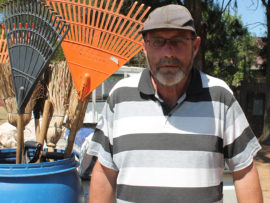
Eugene Maree – eienaar van tuindienste: “Die invloed wat nog ‘n petrolprysverhoging op my besigheid sal hê, is dat ek my fooie struktuur daarvolgens moet aanpas en klante hou nie van prysverhogings nie. Oor die langtermyn kan ek besigheid verloor, want mense sny eerste aan luukse uitgawes soos tuindienste. Ek loop dus die risiko om klante te verloor en staar ook personeelvermindering in die gesig.”
Salmaan Patel – owner of secondhand car dealership: “Looking into the future, I think to avoid the negative impact of constant petrol price hikes, the problem could be dealt with by introducing more electric cars. Nowadays people are more conscious about what type of car (engine size) they buy. They are opting more for fuel efficiency and less in luxury. As a businessman I also have to take this into consideration when buying stock as the needs of the average buyer have changed.”
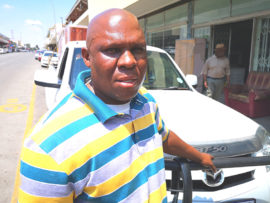
Thomas Mabongoane – private delivery man: “I will have to increase my delivery fees if the petrol price goes up again, but this also means that I could risk losing customers. I travel extensively as my area of service includes Nigel, Duduza, Dunnottar, Alrapark, Sharon Park and Selcourt. With another petrol price hike, I might consider downsizing my business and this will have a tremendous negative impact on me as sole provider for my family.”
Hlengiwe Motsepe – self-employed private transporter: “The increase of fuel prices in South Africa is distressing. I am self-employed in that I transport children to and from school on a daily basis. This puts food on my table, but my biggest fear is that the continuous rise in fuel prices will ultimately result in parents no longer being able to afford private transport and children no longer going to school. This negatively impacts on their socio-economic and educational development.”
Sally Badenhorst – invorderingsklerk: “Die probleem met petrolprysverhogings is die feit dat salarisse nie ooreenstemmend aangepas word nie. Brandstofpryse styg, voedselpryse styg, maar in die meeste gevalle word salarisse slegs eenkeer per jaar verhoog. Dit word al moeiliker vir die middelklas verbruiker om sy begroting te laat klop en die inhoud van inkopietrollies word al hoe minder. Mense verarm. Deesdae word daar net goedkoop handelsname en spesiale aanbiedinge gekoop en dit is die direkte uitwerking wat verhoogde brandstofpryse op verbruikers het.”
HEIDELBERG
Stoffel Cronje – besigheidseienaar: “Dit raak vir ons net te duur en ons kan nie elke slag die verhoging deurgee na ons klante toe nie, dus krimp ons wins met elke petrolprys verhoging.”
Miems Coertzen – sakevrou: “Elke keer wanneer die petrolprys styg, dan laat weet die verskaffers dat hulle weer hul pryse opsit en dit veroorsaak dat ek my pryse moet verhoog, of die verlies self moet dra.”
Fana Molaba – business owner: “The taxi fare goes up on 1 November and it affects the community and they complain about travelling short distances. We have no choice but to increase taxi fares because of this increase. We have sympathy with our communities who are affected by this.”
Kgotso Mohlamme – taxi driver: “This petrol price hike will affect us all. I need to make a living. How can the government allow this to happen to hardworking people? We need money to purchase food and clothes as well and therefor the government must be careful to not just increase the petrol price. Normal people work. Petrol goes up, but our salaries don’t. When petrol goes up, the food and other items on the shelves also increase in price and we can’t absorb this any more. “
Thabile Drobesch – fast food cook: “It is going to affect me in terms of having to pay R600 a week taxi fare, whereas I was paying R300 a week. So I need to cut costs on some necessities ‘because I really need to get to work. The price increase really affects my budget on a day to day basis.”