Be kind to animals week: A reminder to care for our pets and protect wildlife
This week marks the celebration of Be Kind to Animals Week. Nigel SPCA caregiver and volunteer Judy Adams shared the following.
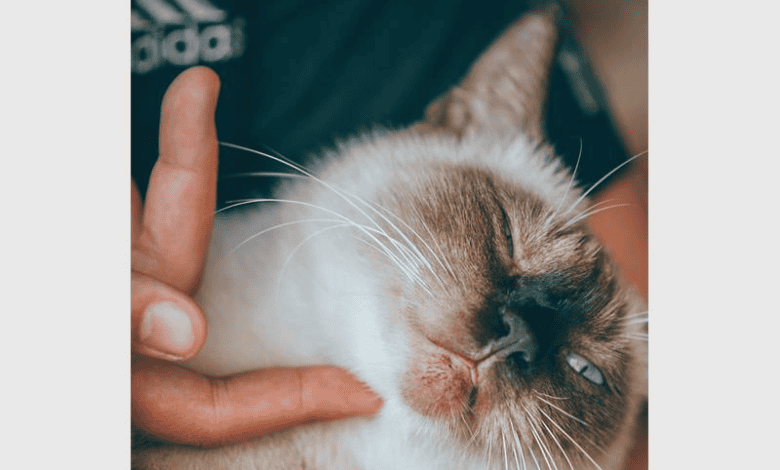
The week is a reminder of a powerful truth that kindness costs nothing but means everything. From the loyal wag of a dog’s tail to the gentle purr of a contented cat, animals have a unique way of expressing love.
Their affection is unconditional, their trust pure, and their loyalty unwavering. This week is not just about celebrating the bond with pets, but about expanding a circle of compassion to all creatures, great and small, domestic and wild.
While most pet owners do not need an excuse to dote on their furry companions, World Kindness Week presents the perfect opportunity to reflect on how to do more, not just for our beloved animals at home, but for those sharing our planet in forests, oceans, skies, and savannas.
Kindness begins at home with your own pets.
Dogs thrive on companionship; they do not just want to be near their humans; they want to be part of their lives.
Spending quality time with your dog, offering regular play, providing safe shelter, and ensuring they have access to veterinary care are vital acts of kindness.
Healthy treats, daily walks, and a fear-free environment help in keeping your pup happy and thriving. But more than anything, your dog wants your love.
For our feline friends, kindness looks a little different. Cats crave cuddles and interactive play, often on their terms.
Toys, climbing spaces, and a sprinkle of catnip can stimulate their minds and bodies. Protection from weather extremes, routine health check-ups, and simply respecting their boundaries show cats they are valued. Consistent affection and attention reassure them they are safe and cherished.
Extending Compassion Beyond Our Homes
Kindness should not end with pets. It must extend to wildlife that face increasing threats from habitat loss, climate change, and human encroachment.
Every animal, from the majestic elephant to the tiniest honeybee, plays an essential role in maintaining the balance of nature. Without bees, we risk crop failure. Without predators, ecosystems can collapse. Each creature matters.
How can we be kind to wildlife?
• Slow down when driving in areas near reserves, parks, or where wild animals roam. Many animals die each year from collisions.
• Don’t litter because trash harms habitats, pollutes food sources, and endangers wildlife.
• Do not feed wild animals. Human food can be harmful, and feeding disrupts natural behaviours.
• Report injured or distressed animals to wildlife authorities, instead of attempting to intervene alone.
• Keep your distance. Admire from afar — getting too close can stress animals or provoke dangerous encounters.
• Live responsibly and in harmony with the environment. Use less plastic, avoid harmful chemicals, and support conservation efforts.
A Shared Planet, A Shared Responsibility
Every species, not just humans, has a right to call Earth home.
By being mindful and compassionate, we can ensure the planet is safer for all its inhabitants.
Whether it is protecting the last forests that shelter our endangered species, adopting a rescue pet instead of shopping for one, or taking the time to love the animals we already care for. Kindness is a choice we make every day.
Let us recommit ourselves this Be Kind to Animals Week to treating every animal, feathered, furry, scaly, or hoofed, with the respect, compassion, and care they deserve.
Because when we are kind to animals, we are kind to ourselves and to the future of our world.