
Prosecutor warns Ermelo cable thieves of serious prison consequences
Scrap dealers are urged to question suspicious cable transactions as stolen infrastructure can lead to serious criminal charges.
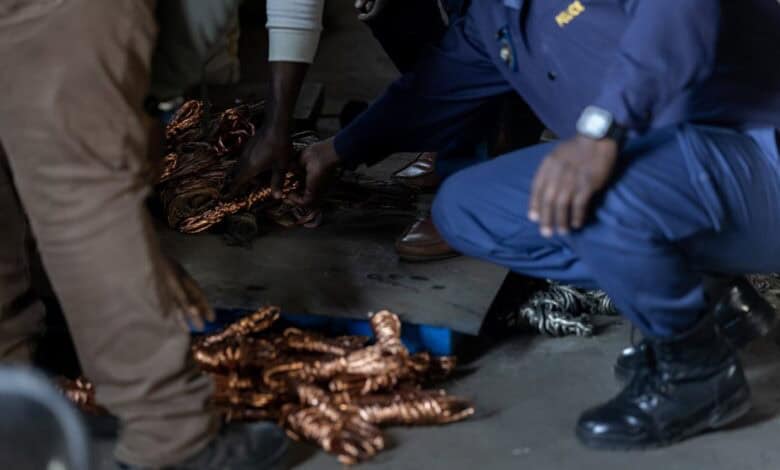
State prosecutor Charles Lloyd writes in his personal capacity:
Cable theft has become a serious problem in many communities, including Ermelo.
To the person stealing cable, it may seem like an easy way to make quick money: cut the cable, burn off the plastic, sell the copper and walk away.
But cable theft can leave people without electricity or communication, damage expensive infrastructure and put lives at risk.
For those involved, the consequences can include a lengthy prison sentence.
It is not ‘just copper’
When someone steals cable from an electricity network, railway line, telecommunications system or other essential infrastructure, they are not simply taking a piece of metal.
They are interfering with infrastructure that the public depends on every day.
A stolen cable can result in power failures, damaged electrical equipment, interrupted communications, businesses being unable to operate and communities being left without essential services.
In some circumstances, people can also be seriously injured or killed because of the damage caused to electrical or other infrastructure.
That is why the law treats these offences seriously.
You could be looking at 15 years in prison
South African law provides for minimum sentences for certain serious offences involving essential infrastructure.
Under Section 51 of the Criminal Law Amendment Act 105 of 1997, a person convicted of certain offences involving essential infrastructure can face a minimum sentence of 15 years’ imprisonment where the requirements of the legislation are met.
The fact that stolen cable may only be worth a few thousand rand does not necessarily make the offence less serious.
The law is concerned not only with the value of the copper, but also with the damage and disruption caused by interfering with essential infrastructure.
A recent High Court case illustrates this point.
The accused was convicted of tampering with essential infrastructure and received 15 years’ imprisonment.
The court made it clear that the relatively small amount of copper involved did not automatically justify a lighter sentence.
In other words: ‘But I only stole a small amount of cable’ is not necessarily an answer to a very serious charge.
‘I only helped’
The person cutting the cable is not necessarily the only person who can get into trouble.
One person may steal the cable, another help load and transport it, someone provide a place to hide it, another burn off the plastic, someone find a buyer, and finally someone knowingly buy the copper despite obvious reasons to believe it was stolen.
These people are all part of the chain that makes cable theft profitable.
Depending on the circumstances and the evidence, a person who assists or participates in the criminal activity can also face criminal charges.
You cannot simply say, ‘I didn’t steal it. I only helped.’
Read the full article, including the warning to scrap-metal dealers and the advice on identifying suspicious burnt or stripped cable, in the Highvelder’s printed edition.