
Are Polo drivers really the worst on South African roads?
Many claim Polo drivers are the worst, yet RTMC and Africa Check data show a more complex reality.
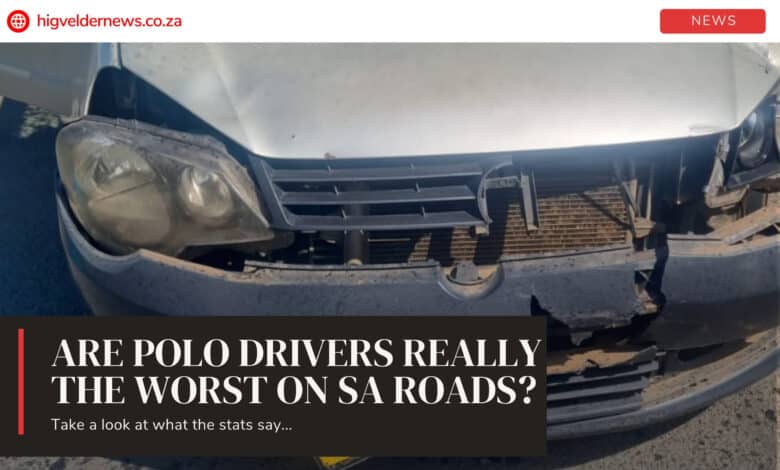
Local crash sparks discussion
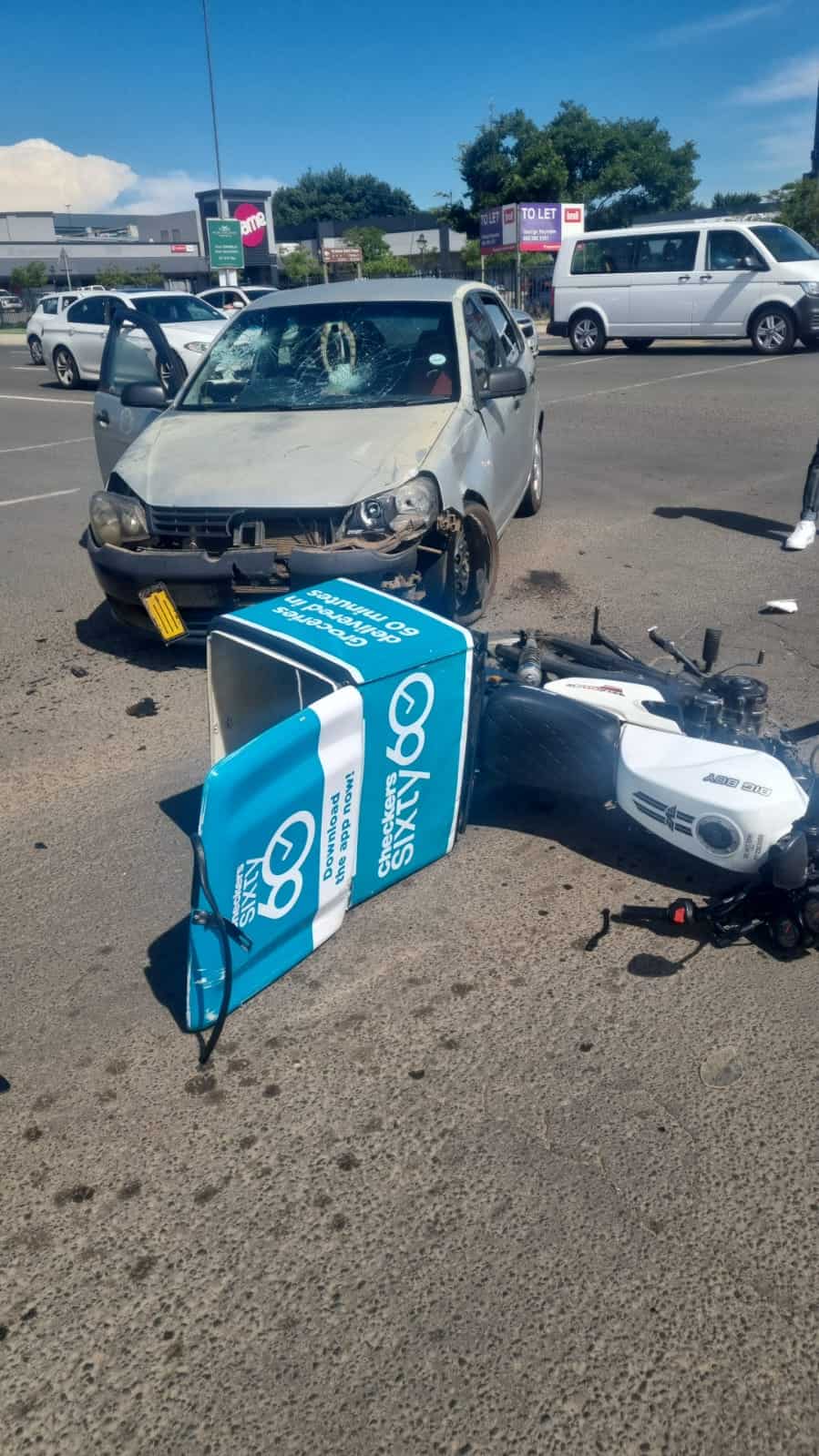
A motorcyclist was injured yesterday after a collision involving a Volkswagen Polo and a Checkers Sixty60 delivery motorcycle at the Kerk and Voortrekker Street intersection in Ermelo.
Emergency services attended the scene, and the extent of the motorcyclist’s injuries has not yet been confirmed.
This local crash has reignited debate over a long-standing claim: are Polo drivers the worst on South African roads?
What the data say
A Road Traffic Management Corporation (RTMC) report titled South African Fatal Crashes in Context (1 October 2017 – 30 June 2021) found that Polos were involved in 16.7% of all fatal crashes — the largest single-model share. Together, Polo, Toyota Hilux, and Toyota Quantum vehicles made up 43.2% of all fatal crashes during that period.
Why “worst driver” is a misleading label
According to Africa Check, the high crash rate does not necessarily mean Polo drivers are more dangerous than others. Instead, it reflects how common Polos (and Polo Vivos) are in South Africa. Together, these models make up about 6.36% of all vehicles on the road.
Only 66.9% of the vehicles involved in fatal crashes in the RTMC study could be matched to the national vehicle registry, which introduces a limitation to how much you can infer about specific driver groups.
Experts from the University of Cape Town, including Dr Leanne Scott and Dr Sebnem Er, note that many factors the RTMC data did not control for — such as how much time someone spends driving, driver experience, and vehicle type — affect crash outcomes. (Africa Check)
Being involved in a fatal crash also does not automatically mean the driver was at fault or reckless.
Young and novice drivers
Many first-time or young drivers choose Polos because they are affordable. This could contribute to more crashes, as inexperienced drivers are statistically more at risk, but there is no formal academic study proving that age or driver experience alone explains the Polo’s crash statistics.
Bottom line
Polo vehicles appear frequently in crash statistics, but this is largely because they are common and accessible, not because drivers are inherently reckless. The RTMC study does not support the claim that Polo drivers are the worst, and media reporting on the topic often amplified a misconception.
The Polo driver misconception
-
Polos and Polo Vivos are among the most common passenger vehicles in South Africa, together making up about 6.36% of all cars. High crash numbers largely reflect vehicle prevalence, not driver recklessness.
-
According to RTMC’s South African Fatal Crashes in Context (2017–2021), Polos were involved in 16.7% of all fatal crashes — the largest share of any single model. Together with Toyota Hilux and Quantum vehicles, they accounted for 43.2% of fatal crashes.
-
Only 66.9% of vehicles involved in fatal crashes could be matched to the national registry, limiting conclusions about driver behaviour.
-
Experts note that many young or first-time drivers choose Polos because they are affordable, which may partially explain higher crash involvement. There is no formal study showing age alone determines crash risk.
-
Being involved in a fatal crash does not automatically mean the driver was at fault. Exposure, vehicle safety, and driver experience play a major role.
-
The RTMC press release claiming Polo drivers are “the worst” misrepresented the data, and media coverage amplified the misconception.