Know your alien invasive plant: Famine weed
Hillcrest Conservancy will produce weekly articles regarding the various alien invasive plant species in the Highway area to help the community identify and eliminate them.
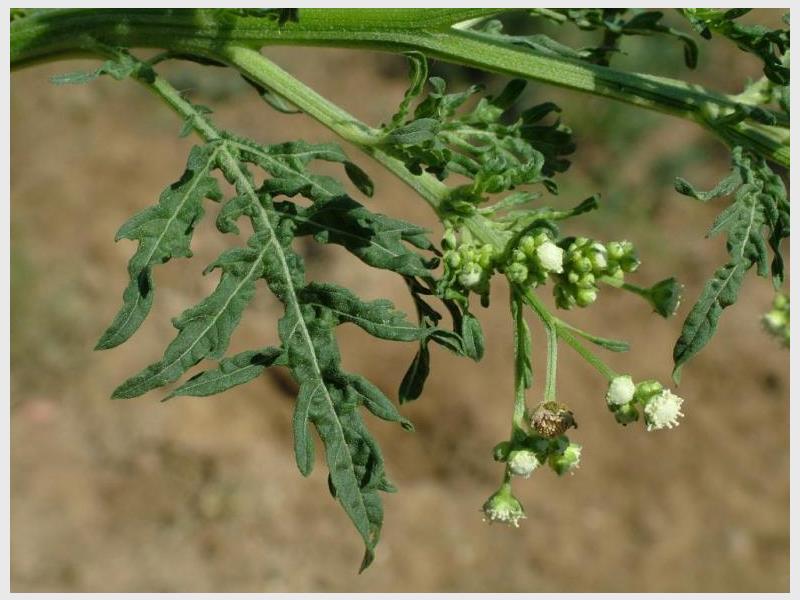
THIS week, Hillcrest Conservancy, takes a look at the Famine weed, as part of its series of articles on alien invasive plants, to help the community to identify and eradicate them from their gardens.
The Famine weed’s scientific name is Parthenium hysterophorus (Asteraceae) but is also known as the Feverfew, congress grass and in Afrikaans parthenium and Demoina bossie.
Description: The annual herb grows up to 1.5m high with an erect, longitudinally grooved, hairy stem and deep tap root. It has pale green, hairy leaves and small white flowers in compact heads, appearing from September to May.
Where does this species come from? It was introduced from South America and West Indies. This plant may not have arrived in the Durban area as yet but due to its rapid rate of dispersal from Zululand where it has recently taken a firm grip it will not take long to arrive.
What is its invasive status in South Africa? The Famine Weed falls into Category 1b. The whole plant is a skin and respiratory irritant. It invades roadsides, rail sides, water courses, cultivated fields and overgrazed land.
How does it spread? Spread by seeds that can be viable for many years and is browsed by stock.
Why is it a problem? It poses a major health problem and it is a threat to agriculture in South Africa. It inhibits the growth and seed germination of other plants through allelopathy. It suppresses crop yields and contaminates crop seed. Meat from livestock that has eaten the weed is badly tainted and not fit for consumption. The presence of parthenium, which is a nerve depressant, poses a major health hazard. Regular contact with the plant, usually over a prolonged period, produces allergenic dermatitis and asthma in humans. Cattle may also be affected and pass the toxic principle into their milk.
This species does not have the name of Famine weed for nothing and its spread could lead to an agricultural disaster if not kept in check. The public should keep an eye out for this species and report your findings as a matter of urgency.
Contact Ian Pattrick on 079 909 5458 or Hillcrest Conservancy chairman, George Victor, on 073 901 3902 or e-mail georgevic@telkomsa.net