Local psychologist sheds light on mental health
According to the Mental Health Information Centre of Southern Africa, stigma, discrimination and ignorance are often barriers to treatment reaching people with mental disorders.
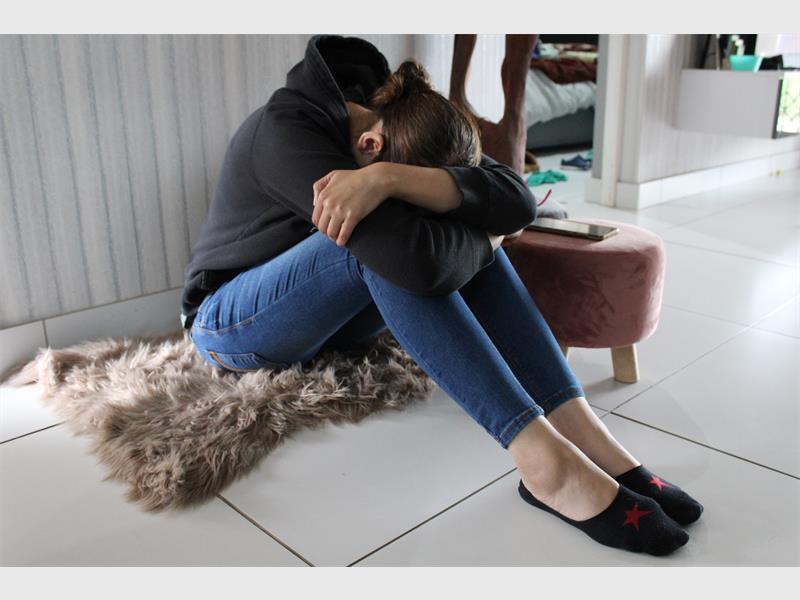
WORLD Mental Health Awareness Month is intended for global mental health education, awareness and advocacy against the social stigma.
The Queensburgh News spoke with Malvern counsellor and psychologist, Robyn-Leigh Naude to find out more.
ALSO READ: Social gallery where the Pav are #proudlylocal
The day was first commemorated in 1992 and was an initiative launched by the World Federation for Mental Health, a global mental health organisation with members and contacts in more than 150 countries.
According to Naude, mental health is an essential aspect of health and is just as important as physical health. “It is important at all stages of life – childhood, adolescence, and adulthood. The World Health Organisation (WHO) constitution declares that health is not just the absence of disease, but rather involves complete physical, mental and social well-being,” she said.
The inspiring counsellor explained that, despite the importance of mental health, the WHO believes that almost two thirds of people with a known mental disorder never seek care from a health professional, despite being able to access treatment in most cases.
According to the Mental Health Information Centre of Southern Africa, stigma, discrimination and ignorance are often barriers to treatment reaching people with mental disorders. “Sadly, in the SA context, as in many developing countries, mental health and mental health conditions aren’t prioritised and, as such, receive extremely low levels of care, especially in rural or impoverished communities where the support is needed most,” said Naude.
There is a range of factors (socioeconomic, biological and environmental) that influence a person’s level of mental health at any given point in time.
The biopsychosocial model of mental health
1. Biological: genetics, brain chemistry, brain damage, disease, diet, drugs, alcohol, toxins, stressors and exercise.
2. Social/cultural: life traumas and stressors, early life experiences and family relationships, peer relationships, poverty, school, media, work, stresses, traumas and discrimination.
3. Psychological: how we make sense of events as either negative or positive reflections of ourselves; beliefs, emotions, resilience, coping skills, emotional intelligence, behaviour and IQ.
Naude said it is the complexity and combination of these factors, both positive and negative, over time that will influence overall mental health and possibly trigger the onset of a mental illness.
“Negative factors add up and tend to be balanced by the presence/absence of protective factors or coping skills,” said Naude.
She listed ways to fight against the stigma and discrimination by realising that mental health is equally as important as physical health.
“Mental illness refers to all diagnosable mental health disorders or conditions that affect how you feel, think and behave. This involves ongoing symptoms that cause distress and affect the person’s ability to function. Examples of mental illness include depression, anxiety disorders, schizophrenia, eating disorders and addictive behaviours,” said Naude.
Looking after your mental health:
– Acknowledge the importance of your mental health and practice positive self-talk.
– If you have a mental health problem or feel you may have, it is important to seek help.
– Set up a support network: this can be with a health care professional, support groups, family and or friends.
– Identify your triggers and coping mechanisms (relaxation exercises, deep breathing).
– Keep a diary: track your mood, thoughts and behaviours.
– Build self-esteem – work on your self-confidence
– Develop healthy habits – exercise, eat well (healthily), get enough sleep.
– Avoid drugs and alcohol.
Helplines
– South African Depression and Anxiety Group (SADAG) 24/7 helpline: 0800 456 78924/7
– Suicide line: 0800 567 567
– COVID 19 National Contacts (toll-free helpline) 0800 029 999https://www.kznhealth.gov.za/mental/covid19.htm
– Gender Based Violence Helplines24/7 helpline: 0800 428 428 / 0800 150 150
– Childline24/7 crisis line: 0800 555 555
* Notice: Coronavirus reporting at Caxton Local Media aims to combat fake news
Dear reader, As your local news provider, we have the duty of keeping you factually informed on Covid-19 developments. As you may have noticed, mis- and disinformation (also known as “fake news”) is circulating online. Caxton Local Media is determined to filter through the masses of information doing the rounds and to separate truth from untruth in order to keep you adequately informed. Local newsrooms follow a strict pre-publication fact-checking protocol. A national task team has been established to assist in bringing you credible news reports on Covid-19. Readers with any comments or queries may contact National Group Editor Irma Green (irma@caxton.co.za) or Legal Adviser Helene Eloff (helene@caxton.co.za).